

 English
 Россия
 عربى
عربى

Content
- 1 What Is a Pipe Jacking Machine and How Does It Work?
- 2 Main Types of Pipe Jacking Machines
- 3 Key Components of a Pipe Jacking System
- 4 Pipe Jacking vs. Open-Cut Trenching: A Direct Comparison
- 5
- 6 Soil Conditions and Machine Selection
- 7 Drive Length Limits and How to Extend Them
- 8 Pipe Materials Used in Pipe Jacking
- 9 Common Applications of Pipe Jacking Equipment
- 10 Health, Safety, and Environmental Considerations
- 11 How to Choose the Right Pipe Jacking Contractor
What Is a Pipe Jacking Machine and How Does It Work?
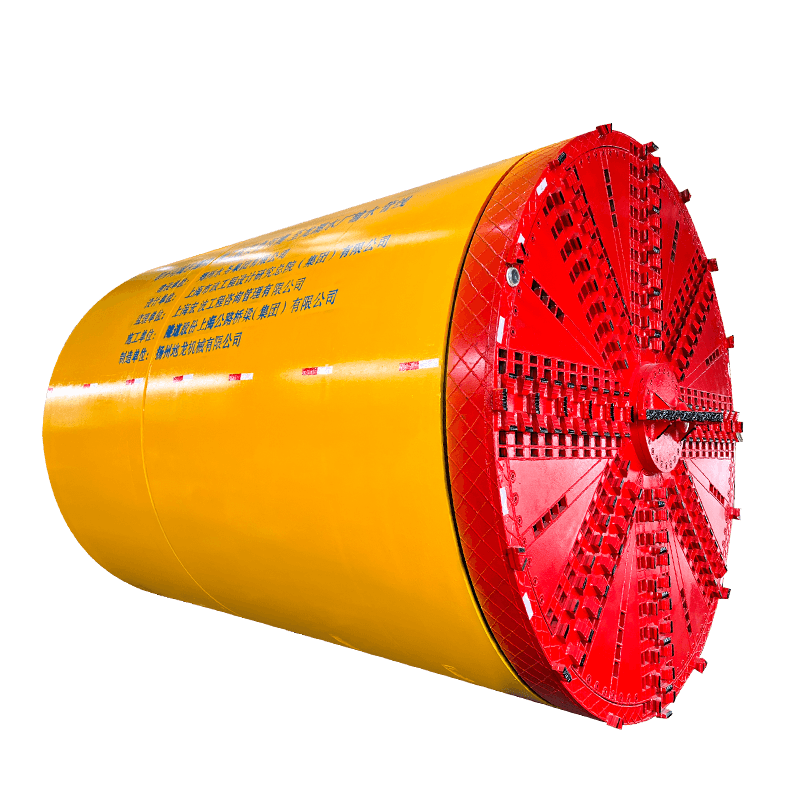
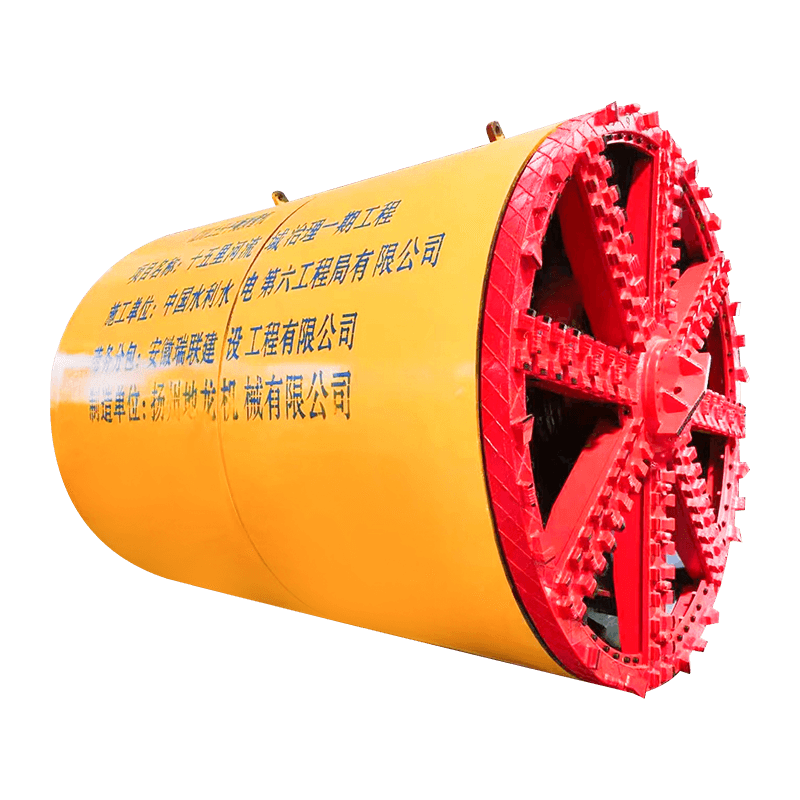
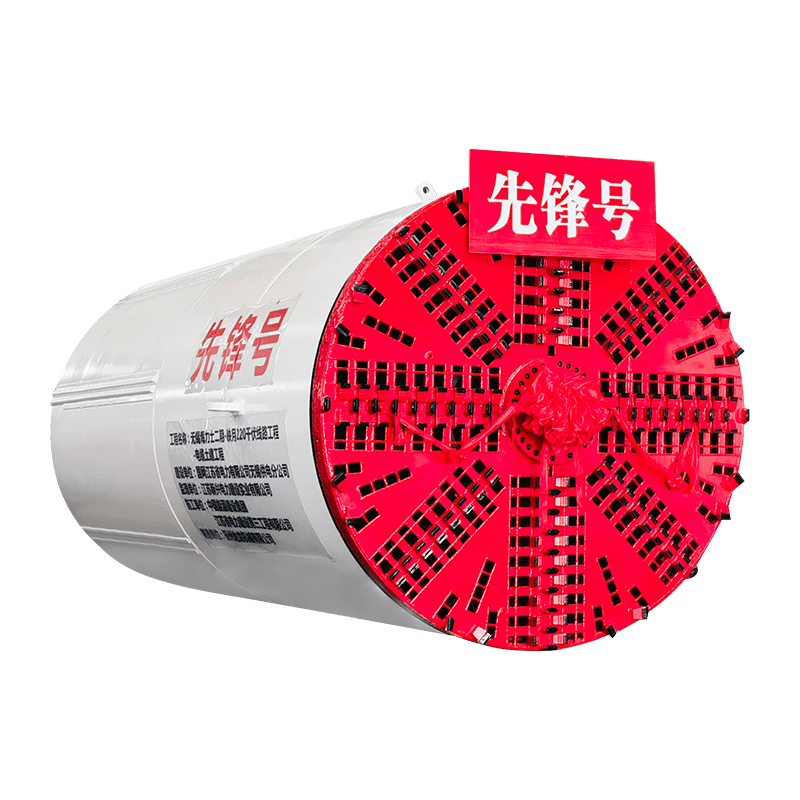
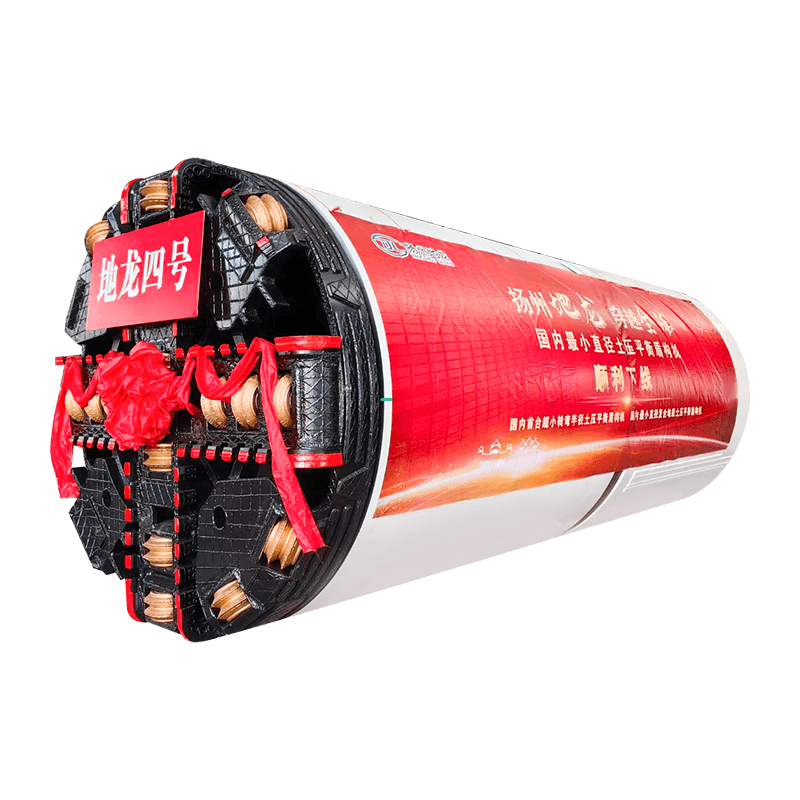
A pipe jacking machine is a piece of trenchless construction equipment used to install underground pipes without the need to dig open trenches along the entire route. Instead of tearing up roads, sidewalks, or landscapes, the machine pushes — or "jacks" — pipe sections through the ground from a launch pit to a reception pit. This approach is widely used for sewer lines, water mains, gas pipelines, and utility conduits running beneath roads, railways, rivers, and densely built urban areas.
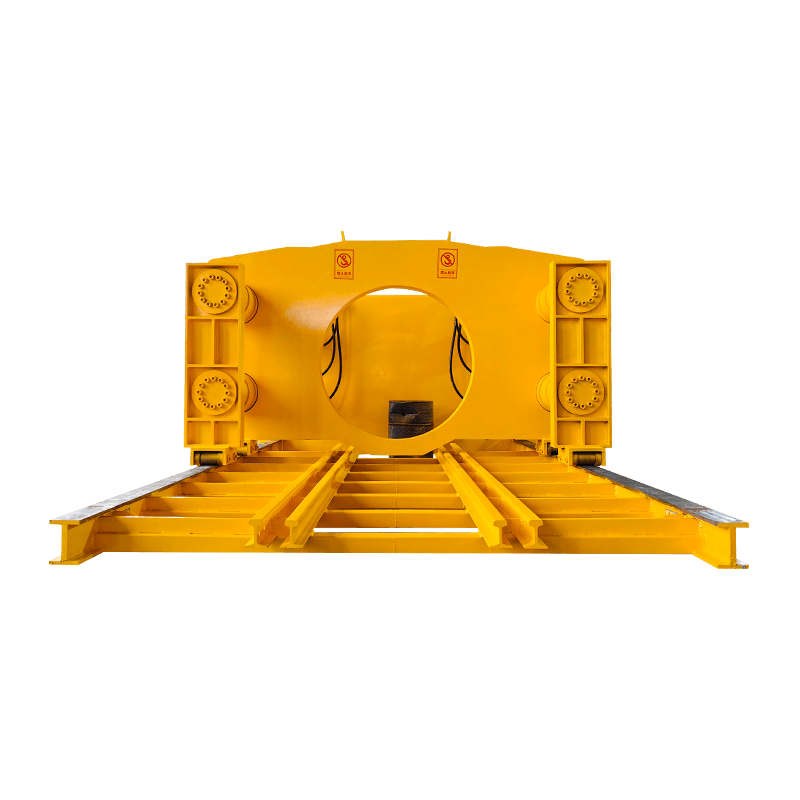
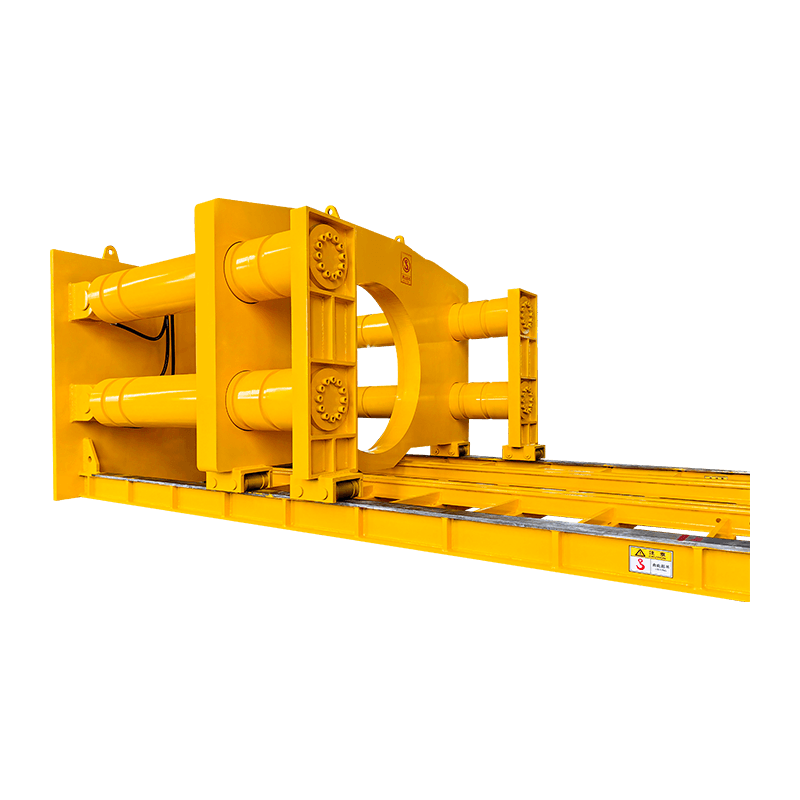
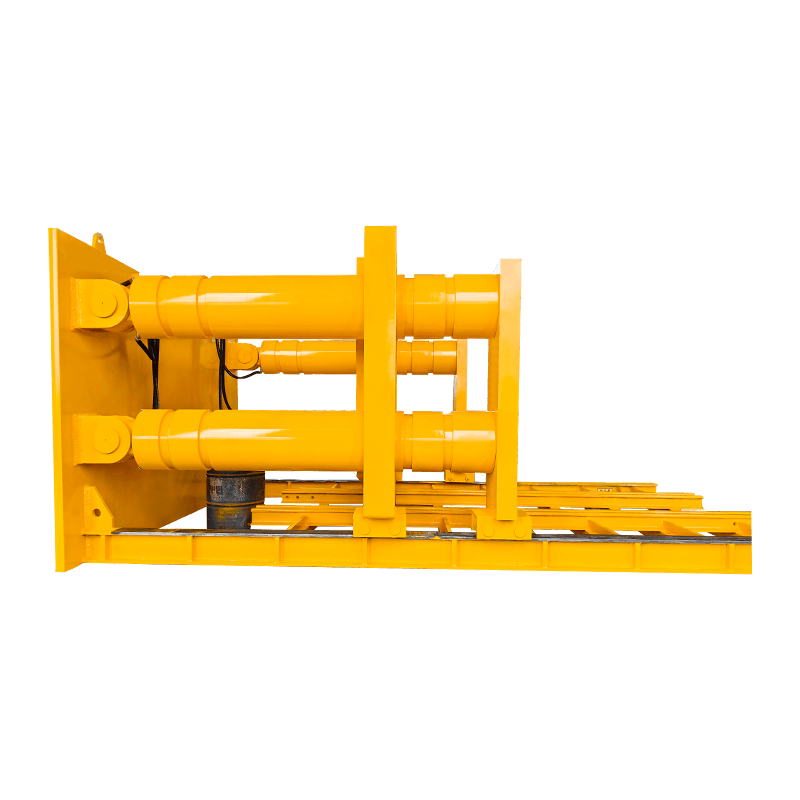
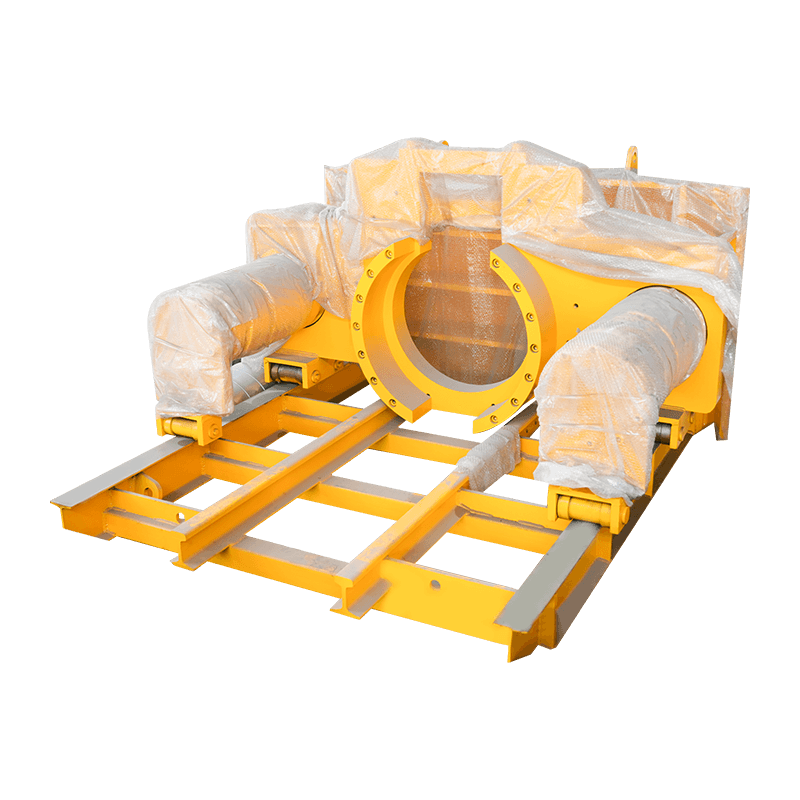
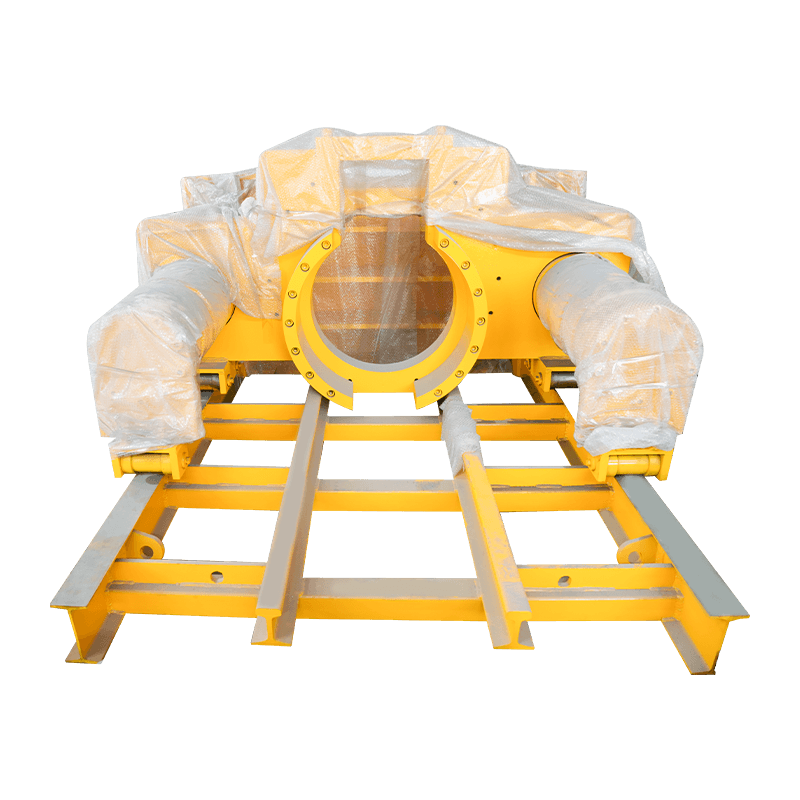
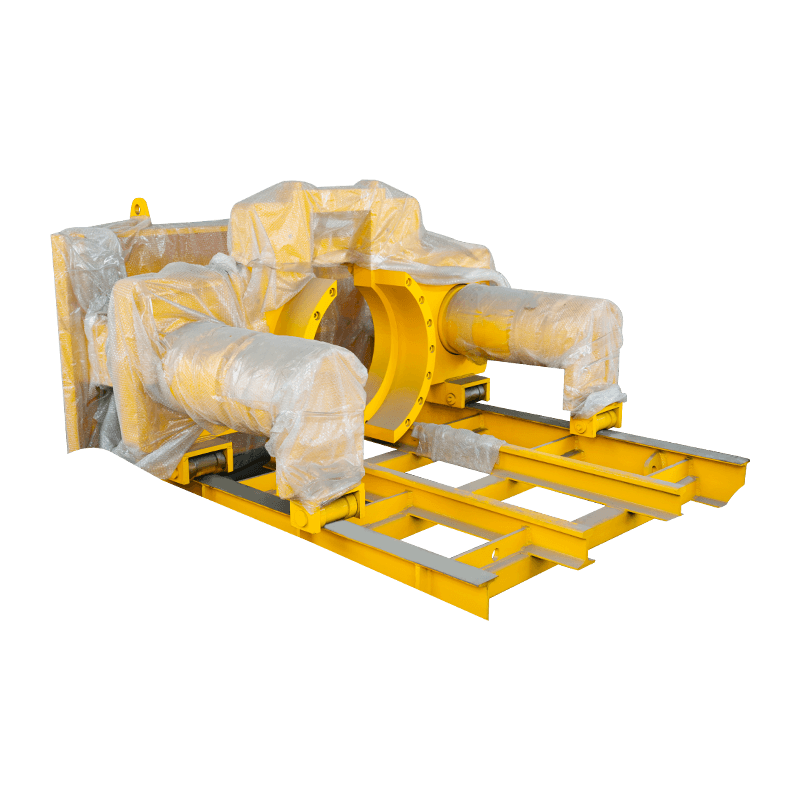
The basic operating principle involves a powerful hydraulic jacking frame positioned inside the launch pit. This frame applies a controlled axial thrust force to push the leading pipe section — which is typically fitted with a cutting head or shield — through the soil. As excavated material is removed from the face (either mechanically or by slurry), new pipe sections are added behind the last one and the jacking process continues incrementally until the string of pipes reaches the reception pit on the other end.
Modern pipe jacking systems are fully steerable, meaning the operator can make real-time corrections to the alignment and grade using laser guidance or gyroscopic systems. This precision makes them suitable for projects with tight tolerances, such as gravity sewer installations that require exact slopes.
Main Types of Pipe Jacking Machines
Not all pipe jacking equipment is the same. The type of machine chosen depends on pipe diameter, soil conditions, drive length, and project budget. Here are the most commonly used variants:
Microtunneling Machines (MTBMs)
Microtunneling boring machines are remotely operated and designed for smaller diameter pipes — typically ranging from 150mm to 1,500mm. The operator controls the machine from the surface using a control cabin with a CCTV feed and laser targeting system. Slurry is used to transport cuttings back to the surface through a dedicated return pipe. MTBMs are highly accurate and can handle a wide range of soil types, including soft clays, gravels, and even rock with the right cutterhead configuration.
Earth Pressure Balance (EPB) Pipe Jacking Machines
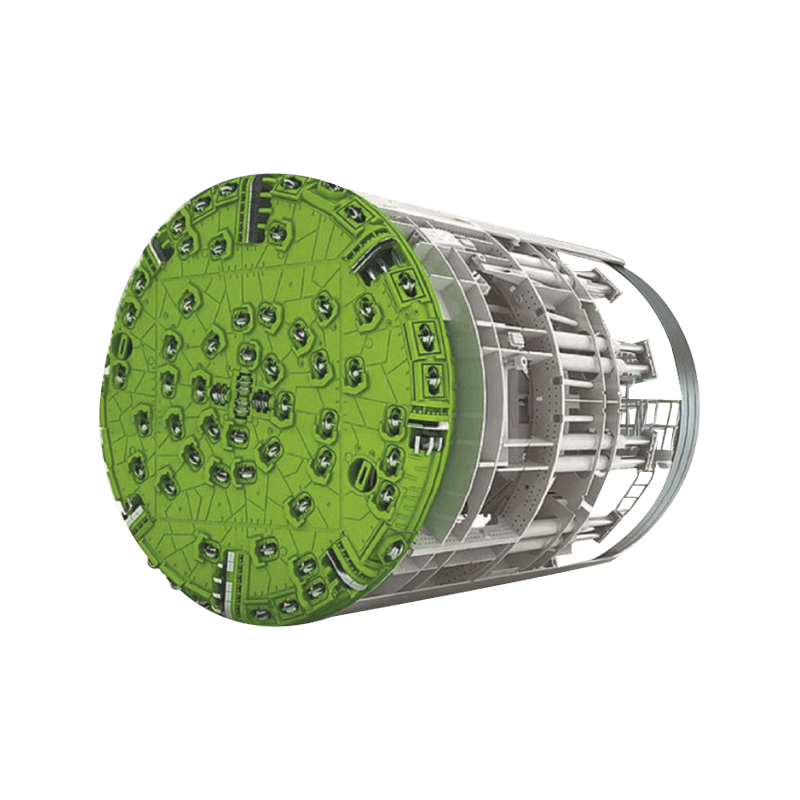
EPB machines use the excavated soil itself — conditioned with foam, bentonite, or polymers — to balance the ground pressure at the cutting face. This prevents ground settlement and makes them ideal for soft, water-bearing, or mixed soils. They are commonly used in urban environments where surface subsidence must be minimized. EPB-type pipe jacking rigs are available for both small-diameter microtunneling and larger man-entry tunnels.
Slurry Shield Pipe Jacking Machines
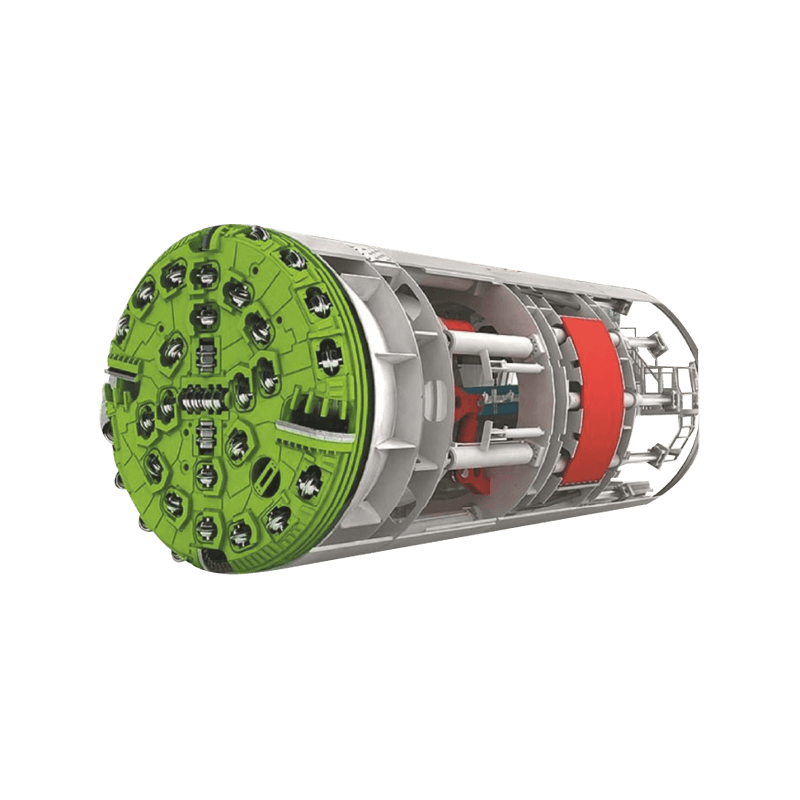
These machines pressurize the cutting face with a bentonite slurry, which supports the ground while also transporting the cuttings back to the surface through a pipeline. The slurry is then processed in a separation plant on the surface, cleaned, and recirculated. Slurry machines are particularly effective in unstable ground, loose sands, and below the water table. They tend to be faster than auger-based systems on longer drives.
Auger Boring Machines
Auger boring is a simpler, cost-effective form of pipe jacking used in dry, stable soils. A rotating auger inside the casing pipe carries the cuttings back to the launch pit. These machines are typically used for shorter drives and smaller diameters. They are not steerable, which limits their use to projects where alignment precision is less critical.
Pipe Ramming Machines
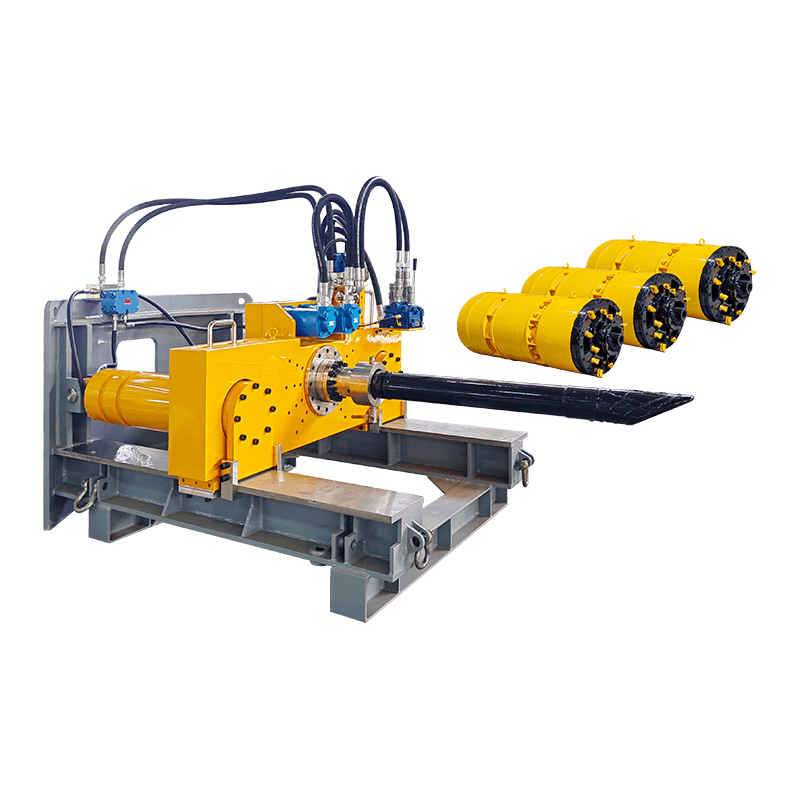
Pipe ramming uses a pneumatic or hydraulic hammer attached to the back of a steel casing pipe. The impact force drives the pipe through the ground without rotating or cutting — the soil is simply displaced or compacted. This method is fast and powerful, making it suitable for crossing beneath embankments, roads, and railways in coarse granular soils. However, it offers no steering capability and is best for short, straight drives.
Key Components of a Pipe Jacking System
A pipe jacking setup is more than just the boring machine at the front. The full system includes several integrated components working together:
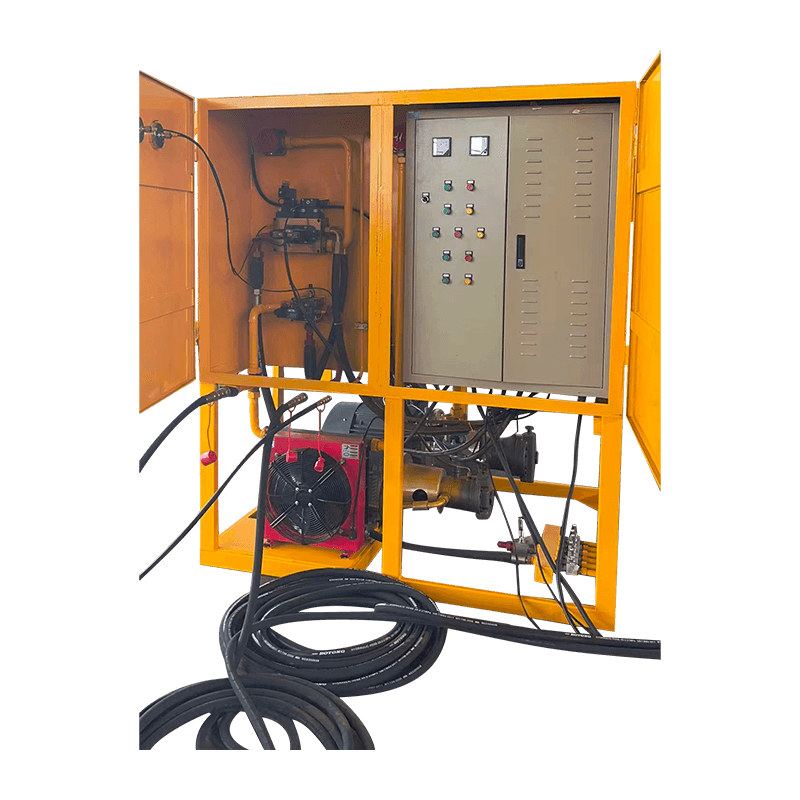
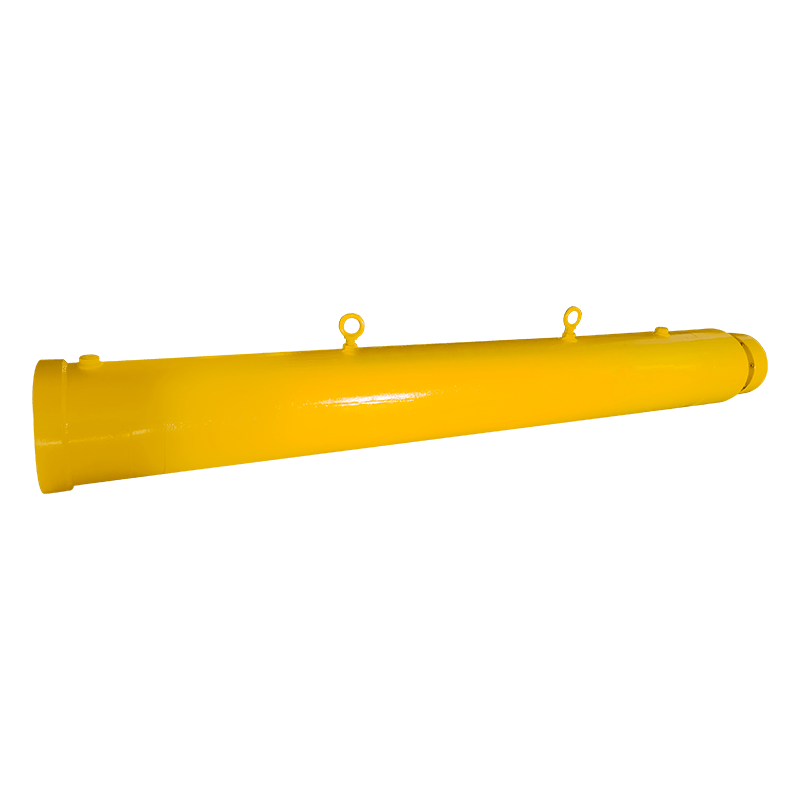
- Jacking Frame: The main hydraulic press installed in the launch pit. It applies the pushing force to the pipe string. Jacking frames are rated by their thrust capacity, commonly ranging from 50 tonnes to over 2,000 tonnes for large-diameter drives.
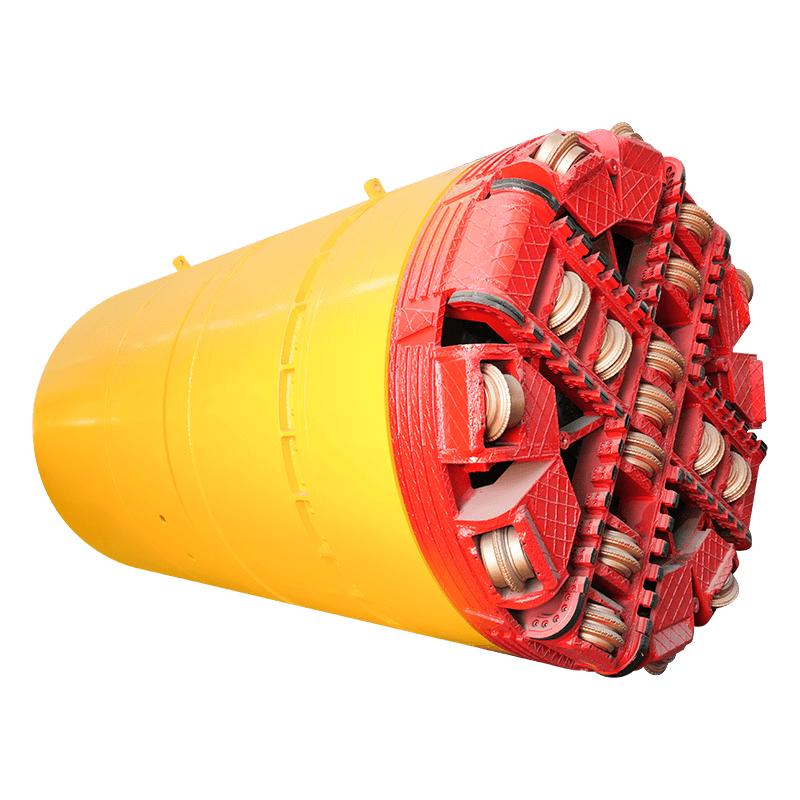
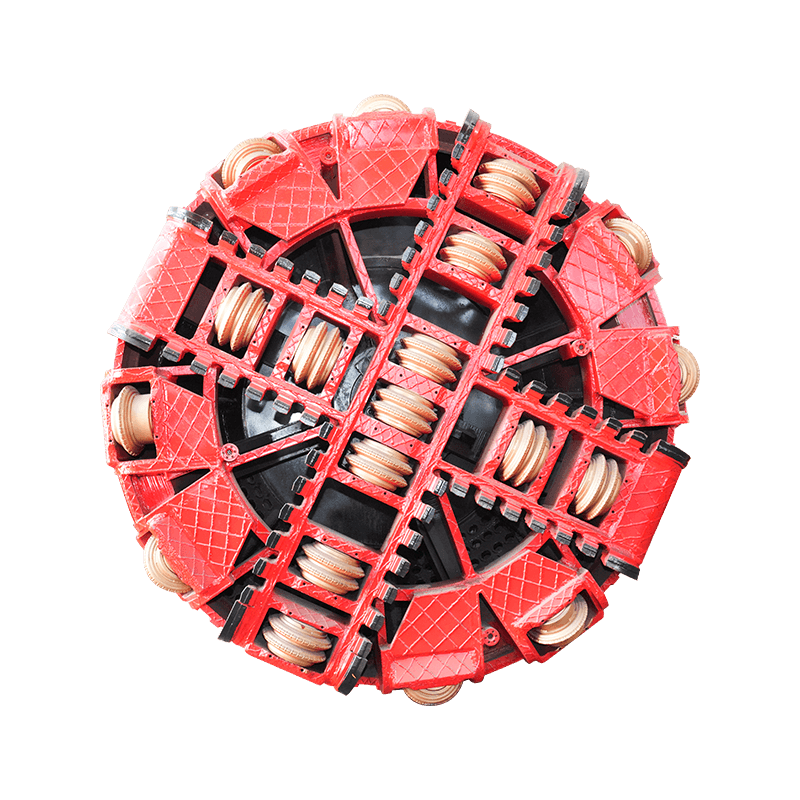
- Cutting Head / Shield: The leading element at the front of the pipe string that excavates the ground. Its design varies — rotating disc cutters for rock, open-face shields for soft ground, or slurry-pressurized chambers for unstable soils.
- Jacking Pipes: Specially designed concrete, steel, or GRP (glass-reinforced plastic) pipes built to withstand the jacking forces without cracking. They typically have precision-machined joints to ensure alignment and water-tightness.
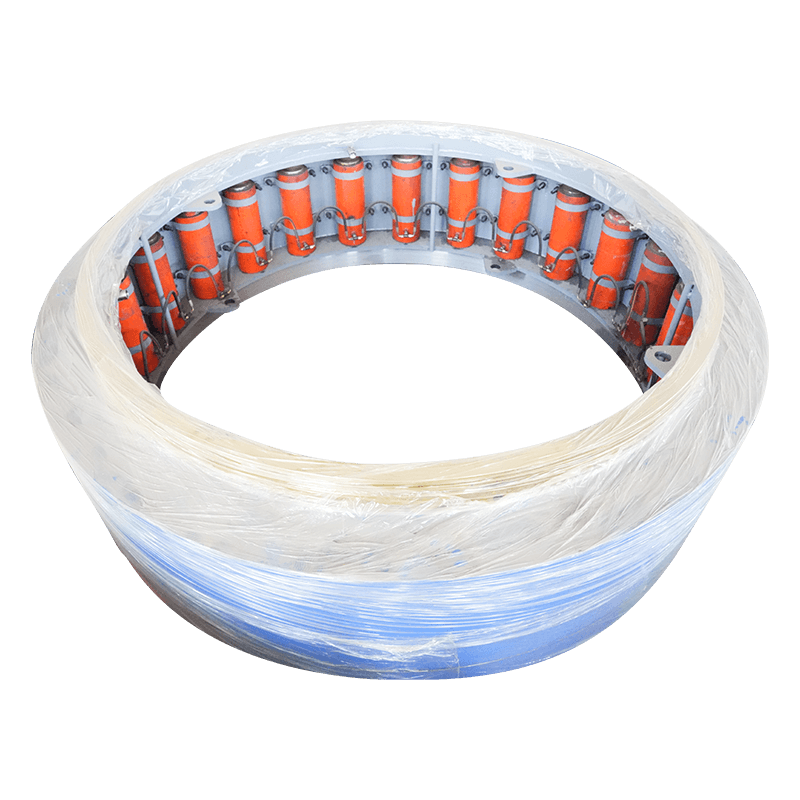
- Intermediate Jacking Stations (IJS): On longer drives, the friction along the pipe string can exceed the capacity of the main jacking frame. IJS units are installed at intervals within the pipe string to provide additional pushing force from within, dramatically extending the achievable drive length.
- Lubrication System: Bentonite or polymer slurry is injected through ports in the pipe wall to reduce skin friction along the annular void between the pipe and the surrounding soil. This is critical for long drives and in sticky clays.
- Guidance System: A laser beam projected from the launch pit to a target inside the machine provides continuous alignment data. More sophisticated projects may use gyroscopic or Total Station-based guidance for curved alignments.
- Spoil Removal System: Depending on the machine type, this could be a slurry pipeline, an auger, a conveyor belt, or a muck cart system for man-entry tunnels.
Pipe Jacking vs. Open-Cut Trenching: A Direct Comparison
For many projects, engineers must decide between conventional open-cut excavation and trenchless pipe jacking. Here's how the two methods stack up across key project factors:
| Factor | Pipe Jacking | Open-Cut Trenching |
| Surface Disruption | Minimal — only pit areas disturbed | Full trench length excavated |
| Traffic Impact | Low — roads can remain open | High — road closures often required |
| Crossing Obstacles | Excellent — rivers, roads, railways | Often impossible or very costly |
| Upfront Equipment Cost | Higher | Lower |
| Total Project Cost (complex sites) | Often lower when indirect costs included | Can escalate due to reinstatement, delays |
| Alignment Accuracy | Very high (laser/gyro guided) | Dependent on manual survey and grading |
| Environmental Impact | Lower — less soil disruption | Higher — spoil disposal, dust, noise |
| Depth Flexibility | Excellent for deep installations | Costly and risky at greater depths |
Soil Conditions and Machine Selection
One of the most critical decisions in any pipe jacking project is matching the right machine to the prevailing ground conditions. Using the wrong cutterhead or shield type can result in face instability, machine jamming, excessive wear, or project failure. A thorough geotechnical investigation before work begins is not optional — it's essential.
Soft Clays and Silts
These soils are prone to heave and squeezing, especially under urban roads or near existing structures. EPB machines with closed-face shields work well here, as they maintain continuous face support and minimize ground movement. The conditioned soil in the screw conveyor acts as a pressure buffer.
Sands and Gravels Below Water Table
Saturated granular soils are unstable and require either a slurry machine or a pressurized EPB. Slurry systems are particularly effective here because the bentonite suspension rapidly infiltrates the pore spaces to create a stable filter cake on the tunnel face. Dewatering should always be evaluated as an alternative or supplementary measure.
Mixed-Face Conditions
Drives that encounter both rock and soft soil within the same cross-section are among the most challenging. Multi-mode machines capable of switching between EPB and slurry operation, or purpose-built mixed-ground cutterheads with both disc cutters and scrapers, are used in these scenarios.
Rock
Hard rock pipe jacking uses cutterheads equipped with tungsten carbide disc cutters similar to those on full-face TBMs. The rock is chipped and fractured rather than scooped. Wear rates are high and cutterhead inspections are required periodically, which usually means man-entry access or intermediate access shafts on very long drives.
Drive Length Limits and How to Extend Them
A fundamental constraint in pipe jacking is the maximum achievable drive length before the friction forces on the pipe string exceed what the jacking frame can overcome. In ordinary conditions and without lubrication, drive lengths might be limited to 80–150 meters. However, with modern techniques and equipment, drives of 500 meters or more are achievable.
The main strategies to extend drive length include:
- Bentonite Lubrication: Injecting lubricant through ports in the pipe wall reduces skin friction significantly — sometimes by 50% or more depending on soil type and application volume.
- Intermediate Jacking Stations: Hydraulic IJS rings are installed at planned intervals within the pipe string. They are activated sequentially to push sections of the pipe forward, reducing the load on any single point in the system.
- Oversized Cutterhead: Using a cutterhead slightly larger than the pipe OD (creating an annular void) reduces contact friction along the entire pipe-soil interface.
- High-Capacity Jacking Frames: Upgrading to a larger main jacking frame provides additional reserve thrust capacity to handle unexpected friction increases.
Pipe Materials Used in Pipe Jacking
The pipes used in jacking operations are purpose-engineered to endure both the jacking forces during installation and the service loads throughout the pipeline's operational life. The most commonly used pipe materials are:
- Reinforced Concrete Pipe (RCP): The most widely used material for gravity sewers and stormwater. Available in diameters from 300mm to 3,000mm+, with steel end rings for jacking force transfer. High compressive strength but requires careful handling to avoid cracking.
- Steel Pipe: Used for pressure pipelines such as water mains and gas lines. Highly resistant to jacking loads and can be welded in sections. Often coated internally (epoxy) and externally (polyethylene or fusion-bonded coating) for corrosion protection.
- Glass-Reinforced Plastic (GRP/RTRP): Lightweight and corrosion-resistant. Used in chemical or aggressive soil environments. GRP pipes must be specifically designed for jacking to handle the compressive thrust without buckling.
- Ductile Iron Pipe: Used for smaller diameter pressure mains. Strong, durable, and resistant to internal pressure. Joints must be adapted for jacking to handle the longitudinal thrust.
- Polymer Concrete Pipe (PCP): A composite material offering excellent chemical resistance and smooth internal surface. Used for aggressive sewer environments where standard concrete would corrode over time.
Common Applications of Pipe Jacking Equipment
Pipe jacking machines are used across a wide range of infrastructure sectors. Their ability to work beneath existing structures and surfaces without major disruption makes them indispensable in modern civil engineering:
- Road and Highway Crossings: Installing culverts, drainage pipes, and utility conduits beneath major roads and motorways without traffic disruption.
- Railway Underpasses: Forming pedestrian underpasses or utility crossings beneath live rail lines where surface excavation would be impractical or dangerous.
- River and Watercourse Crossings: Installing pipes beneath rivers or tidal estuaries where HDD or open-cut is not feasible due to environmental or depth restrictions.
- Urban Sewer Systems: Laying gravity sewers with precise grade control in dense city environments where surface disruption would be unacceptable.
- Airport Infrastructure: Installing drainage and utility pipelines beneath runways and taxiways without affecting flight operations.
- Industrial Sites: Routing pipelines through existing plants and facilities where overhead constraints or process continuity prevents surface excavation.
Health, Safety, and Environmental Considerations
While pipe jacking is inherently safer than open excavation in many respects — fewer exposed trenches, less traffic interaction, reduced risk of collapse — it introduces its own set of safety considerations that must be carefully managed.
Launch and reception pits are confined spaces and must be managed under confined space regulations. Workers entering pits must be equipped with gas detection equipment, appropriate PPE, and emergency retrieval systems. The jacking frame and hydraulic systems operate under extremely high forces, requiring competent operators and regular equipment inspections.
For slurry-based systems, the bentonite separation plant generates waste slurry that must be disposed of in accordance with local environmental regulations. Dumping bentonite-contaminated water into storm drains or watercourses is illegal in most jurisdictions. Proper settlement tanks, recycling systems, and licensed disposal routes are mandatory on compliant sites.
Noise and vibration from the jacking operation — particularly pipe ramming — must be monitored near sensitive receptors such as schools, hospitals, and residential properties. Vibration monitoring and working hour restrictions are commonly imposed as permit conditions in urban areas.
How to Choose the Right Pipe Jacking Contractor
Selecting the right contractor for a pipe jacking project is as important as selecting the right machine. Key things to evaluate when tendering or appointing a specialist contractor include:
- Proven experience in the specific soil conditions and pipe diameter range relevant to your project.
- Ownership and maintenance records for the pipe jacking equipment to be used — rented machines from third parties can introduce uncertainty over serviceability.
- A clear methodology statement covering pit design, ground support, face management, lubrication plan, guidance system, and contingency for unexpected conditions.
- Settlement monitoring proposals for urban drives near existing structures, with defined trigger levels and response actions.
- References from comparable projects completed in the past three to five years, ideally with contact details for verification.
- Health and safety record — request their RIDDOR reportable incident rate and audit any recent enforcement notices.
The cheapest tender is rarely the best choice in pipe jacking. A contractor without the right experience or equipment for your specific conditions can cost significantly more in delays, remediation, and claims than the initial saving on the contract price.