

 English
 Россия
 عربى
عربى

Content
How a Rock Pipe Jacking Machine Conquers Hard Terrain
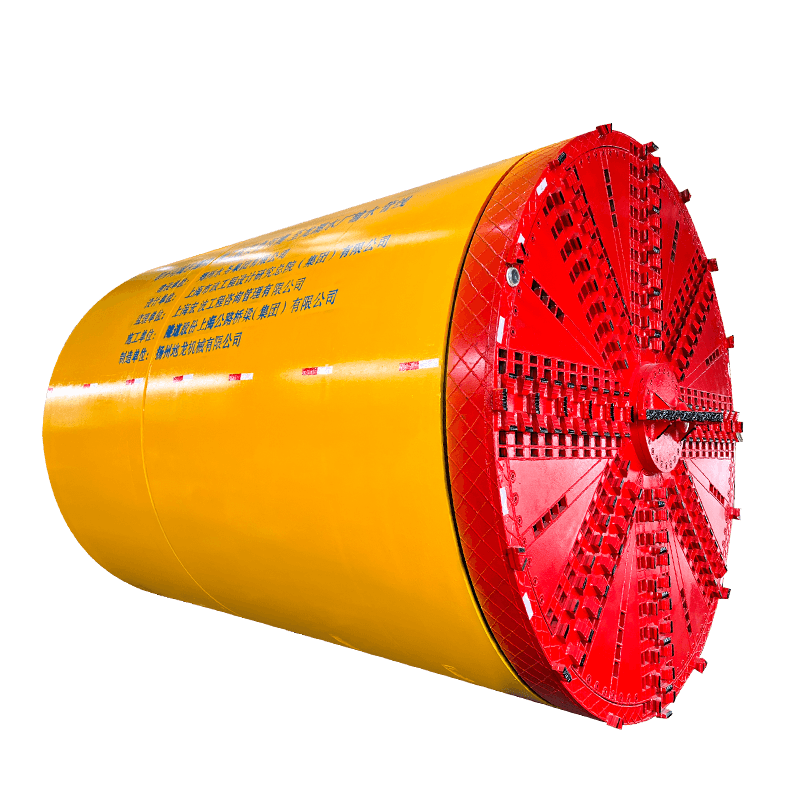
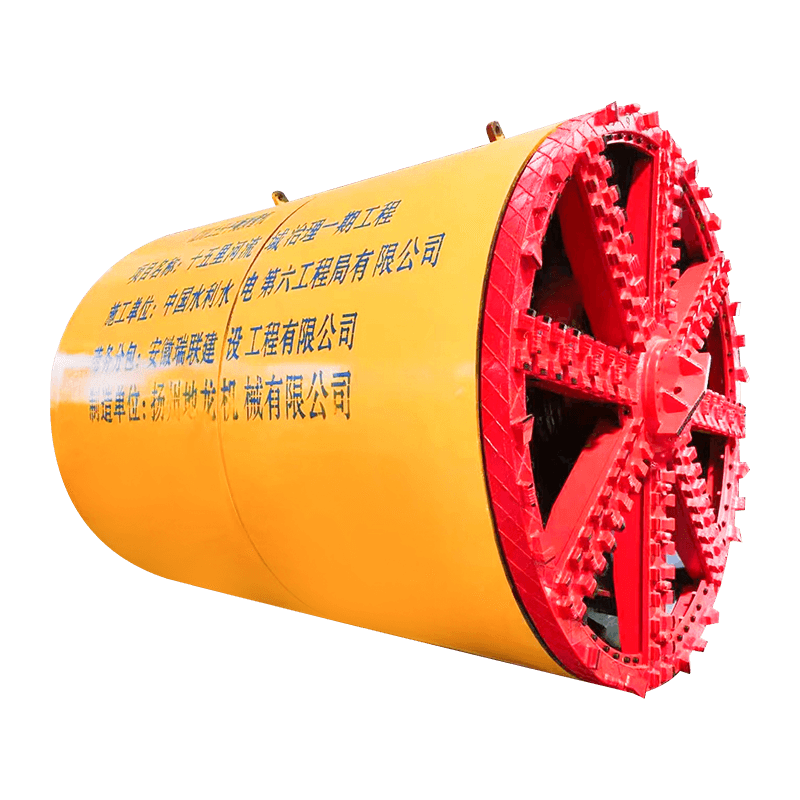
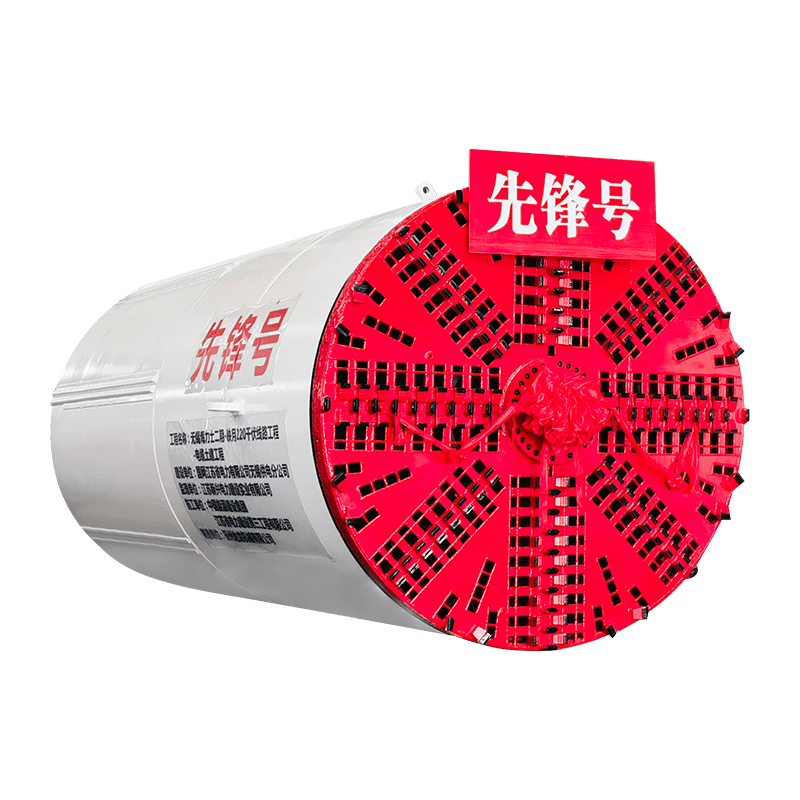
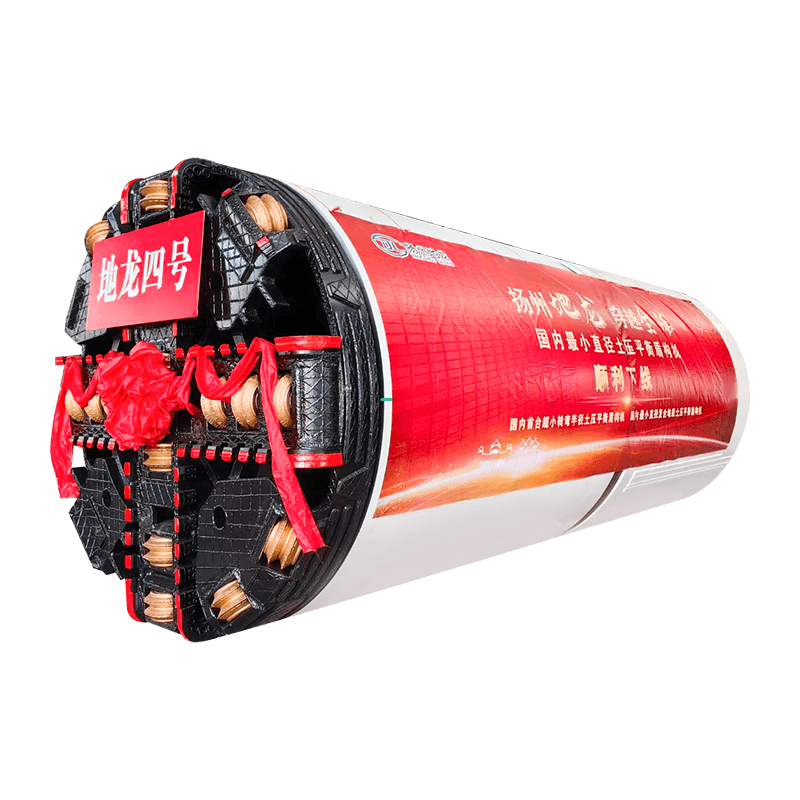
A rock pipe jacking machine is a specialized piece of trenchless equipment designed to install underground pipelines through high-strength rock layers without disturbing the surface. Unlike standard soil machines, these units are equipped with high-torque motors and reinforced structures to handle the immense pressure of rock excavation. The process involves pushing the machine and the subsequent pipe segments into the ground using powerful hydraulic jacks located in a starting pit. This method is essential for urban infrastructure projects where digging open trenches through rock would be too loud, dangerous, or disruptive to traffic.
The primary advantage of using a rock-capable boring unit is its precision. These machines use sophisticated guidance systems, often involving lasers or GPS, to ensure the pipeline follows a strict grade and alignment. This is particularly crucial for gravity-fed sewer lines or water mains where even a small deviation can cause operational issues. By utilizing a rock pipe jacking machine, engineers can bypass obstacles like highways, rivers, and existing buildings while cutting directly through granite, limestone, or sandstone formations.
Key Components of Rock-Specific Jacking Equipment
The Specialized Cutter Head
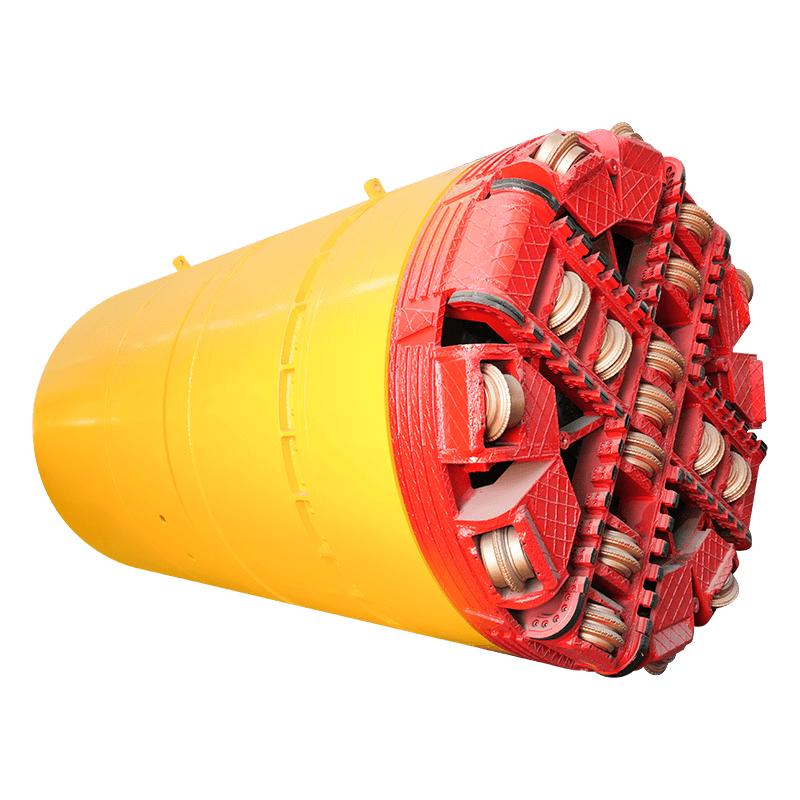
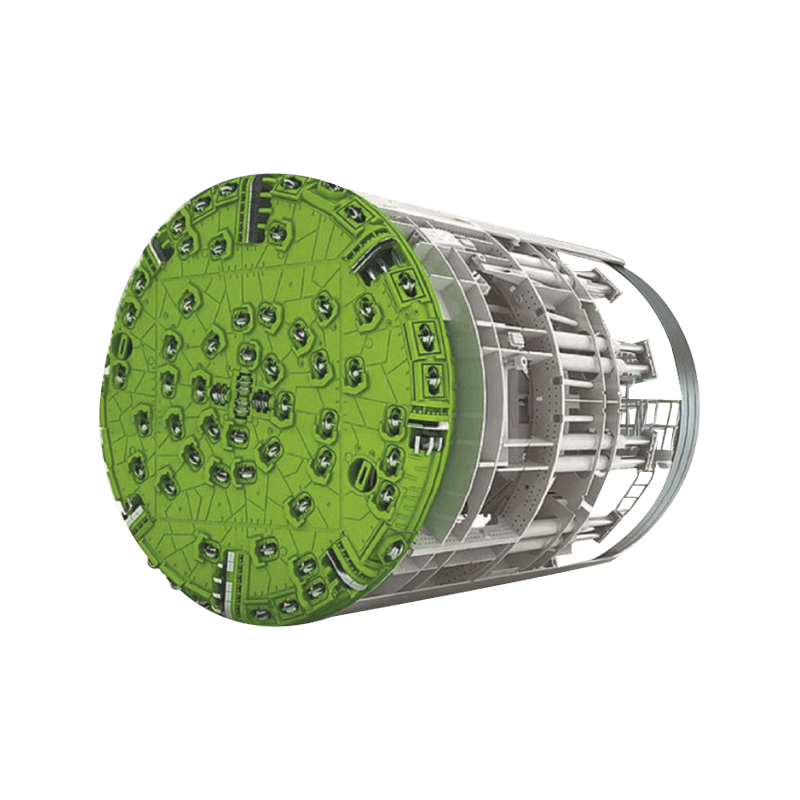
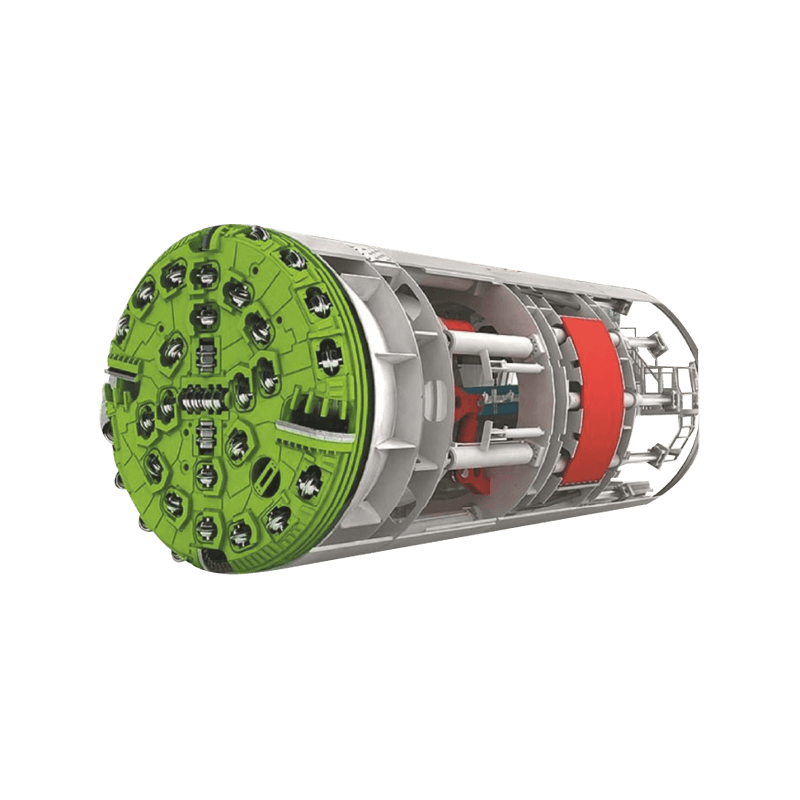
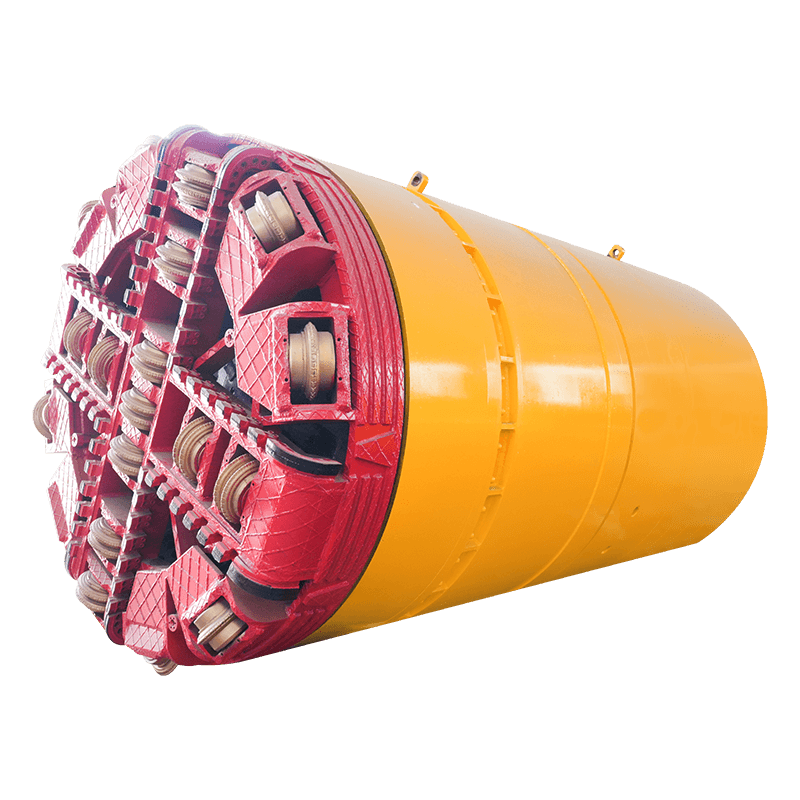
The most critical part of a rock pipe jacking machine is the cutter head. Unlike the blades used for soft clay, a rock head is fitted with heavy-duty disc cutters made of tungsten carbide or hardened steel. As the head rotates, these discs apply concentrated pressure to the rock face, causing it to fracture and chip away. The design of the head also includes openings to allow the crushed rock—often called "muck"—to be transported back through the machine for removal.
Crushing and Slurry Systems
Once the rock is broken into smaller pieces, it needs to be removed from the tunnel. Most modern rock jacking machines utilize a slurry system. A secondary crusher located behind the cutter head further grinds the rock fragments into a fine gravel or sand. This material is then mixed with water or bentonite slurry and pumped out through discharge pipes to the surface. This continuous removal system allows the machine to operate without frequent stops for manual debris clearing.
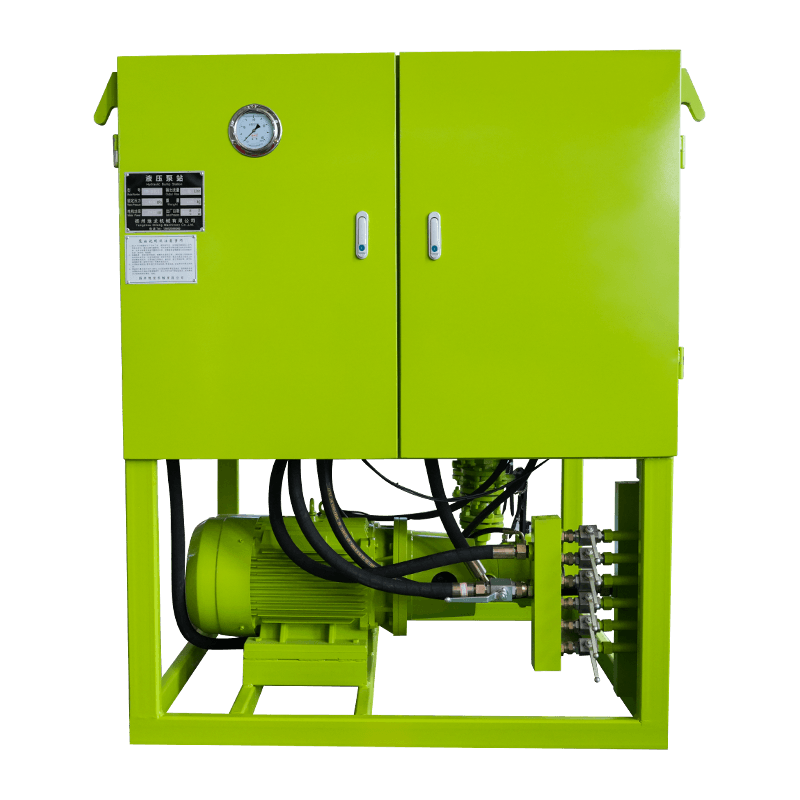
Hydraulic Jacking Station
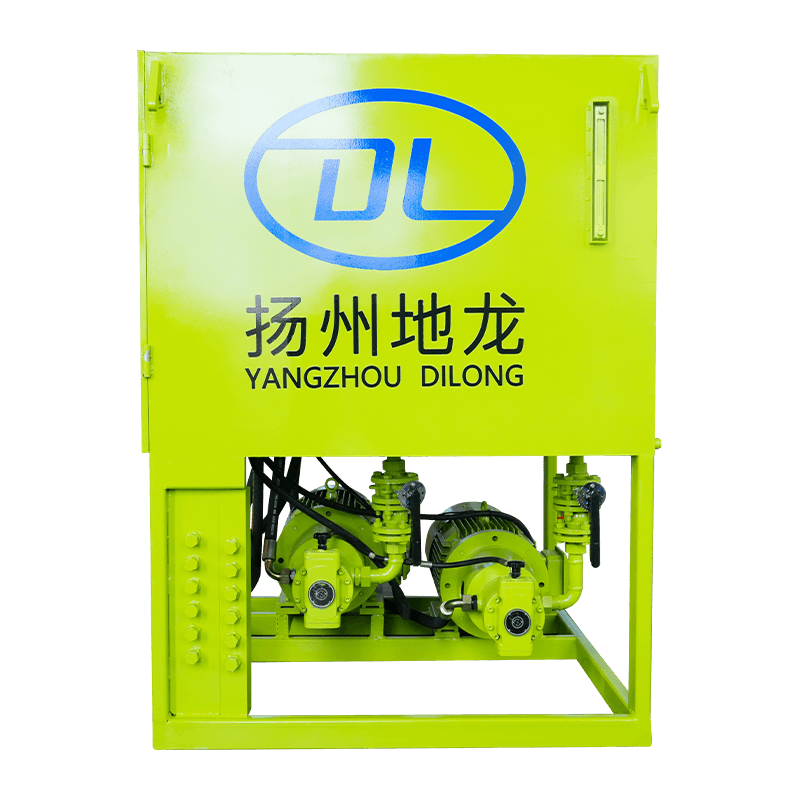
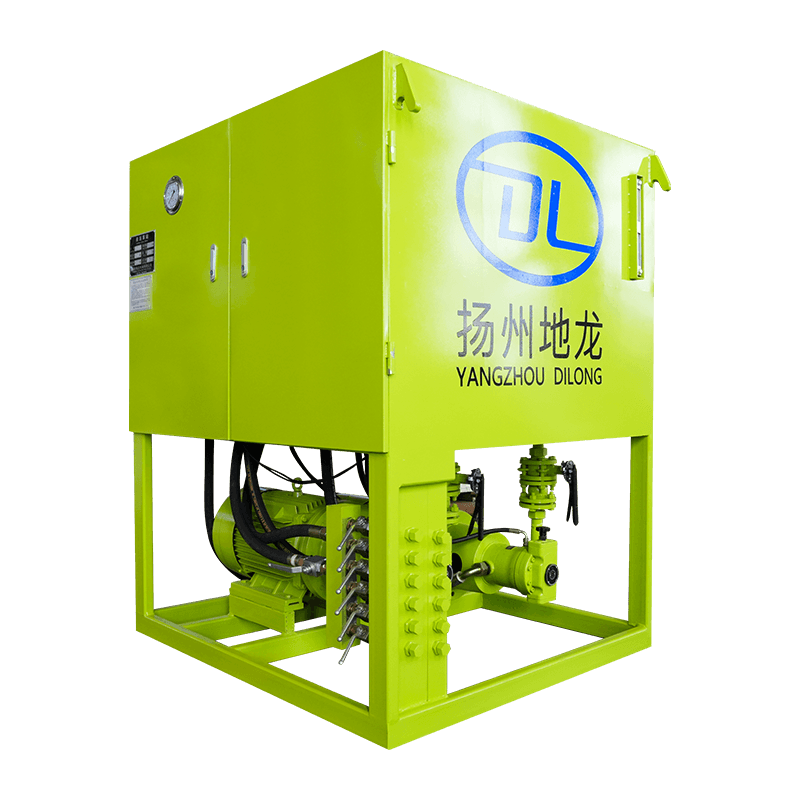
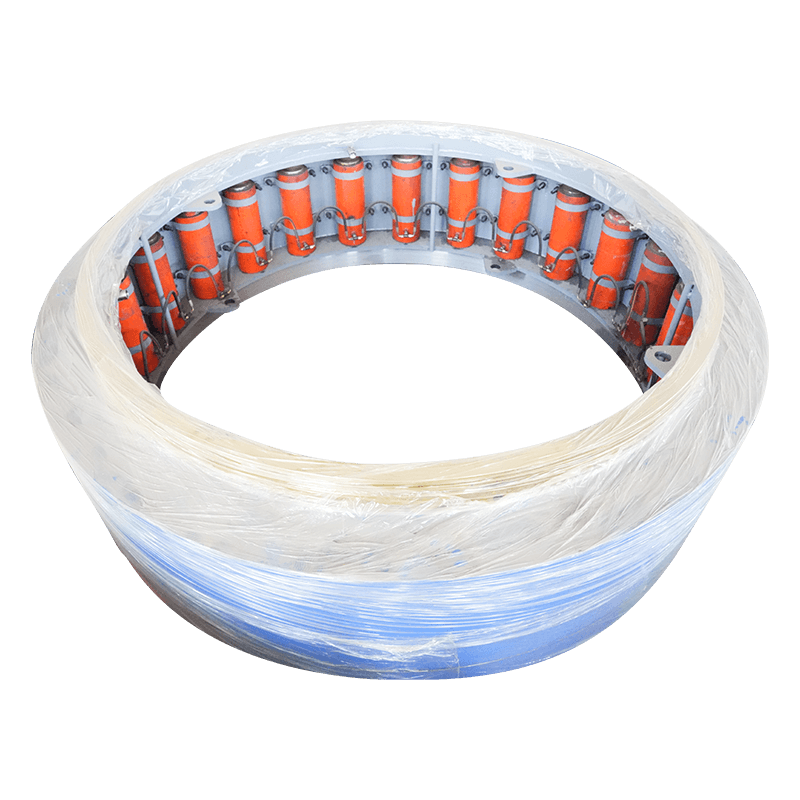
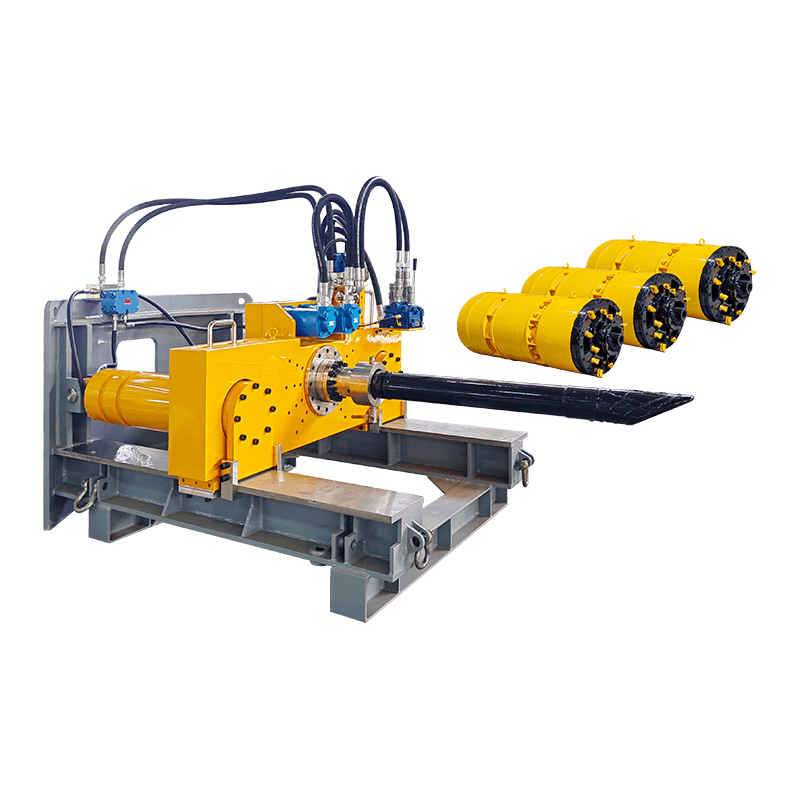
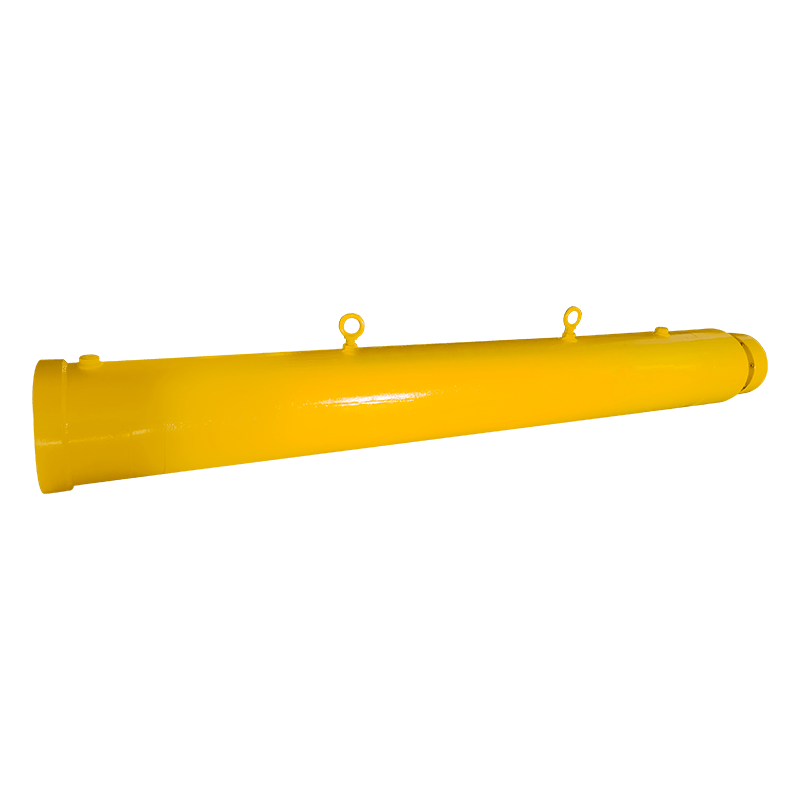
The "jacking" part of the name refers to the massive hydraulic cylinders located in the launch shaft. These cylinders provide the thrust required to push the entire string of pipes and the machine itself forward. Because rock creates high levels of skin friction against the pipe, these stations must be incredibly powerful, sometimes capable of exerting thousands of tons of force. Intermediate jacking stations are often placed between pipe segments to distribute this load on long-distance drives.
Comparison of Pipe Jacking Methods
When planning an underground project, it is important to match the machine to the geology. A rock pipe jacking machine is a significant investment compared to earth-pressure balance machines, so understanding the performance metrics is key for project budgeting.
| Feature | Soil Jacking Machine | Rock Jacking Machine |
| Tooling Type | Scrapers & Teeth | Disc Cutters |
| Torque Requirement | Low to Moderate | Very High |
| Debris Removal | Auger or Slurry | Slurry with Crusher |
| Vibration Level | Minimal | Moderate (due to crushing) |
Best Practices for Operating in Rock Formations
Operating a rock pipe jacking machine requires a balance of force and finesse. If the operator pushes too hard, the disc cutters may overheat or shatter; if they push too slowly, the project timeline may slip. Constant monitoring of the "face pressure" and "torque" is necessary to ensure the machine is cutting efficiently without damaging its internal components.
To ensure a successful bore, contractors should follow these operational guidelines:
- Conduct thorough geotechnical surveys to identify the Unconfined Compressive Strength (UCS) of the rock.
- Maintain a consistent supply of lubrication (usually bentonite) to the outside of the pipe to reduce friction.
- Inspect disc cutters frequently for wear, especially when moving through abrasive quartz-heavy rock.
- Ensure the slurry separation plant on the surface is sized correctly to handle the volume of rock chips produced.
By following these practical steps and utilizing the right rock pipe jacking machine, complex underground utility installations become faster, safer, and far more predictable than traditional excavation methods.