

 English
 Россия
 عربى
عربى

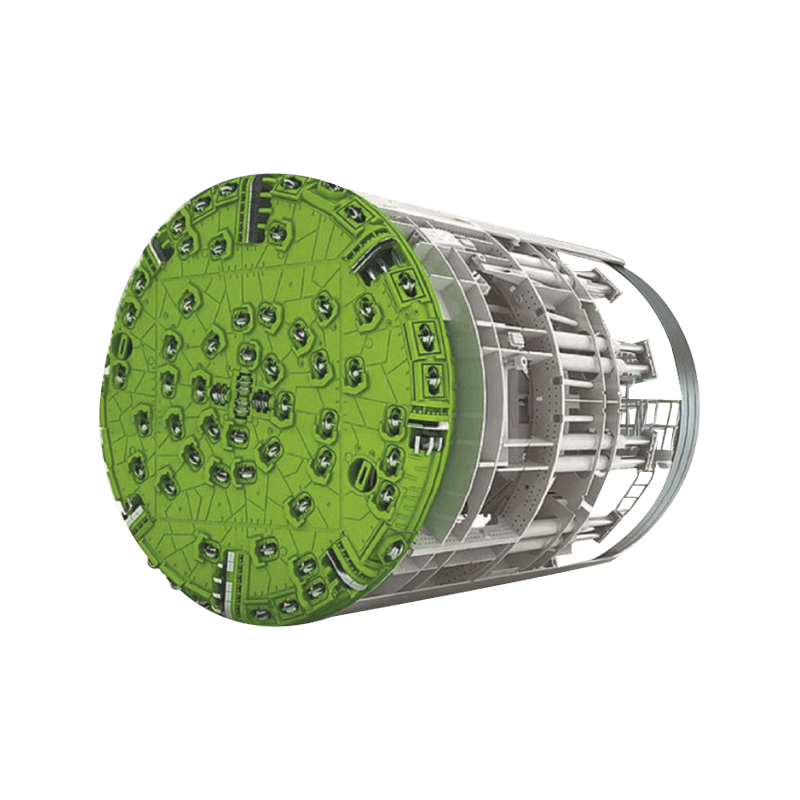
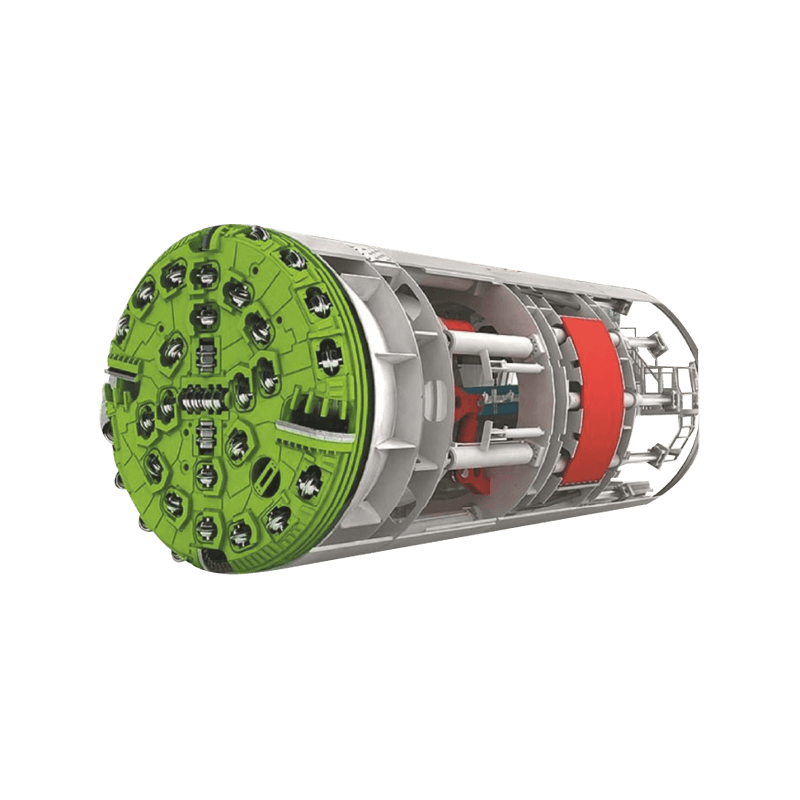
Not all TBM machines are the same. Different tunnel boring machines are designed to match specific ground conditions, tunnel diameters, and project requirements. Choosing the right type is crucial for construction efficiency and cost control.
Content
Common TBM Machine Types and Their Uses
Each TBM machine type handles soil and rock differently. The table below shows common options and where they work best.
| TBM Type | Suitable Ground | Typical Projects |
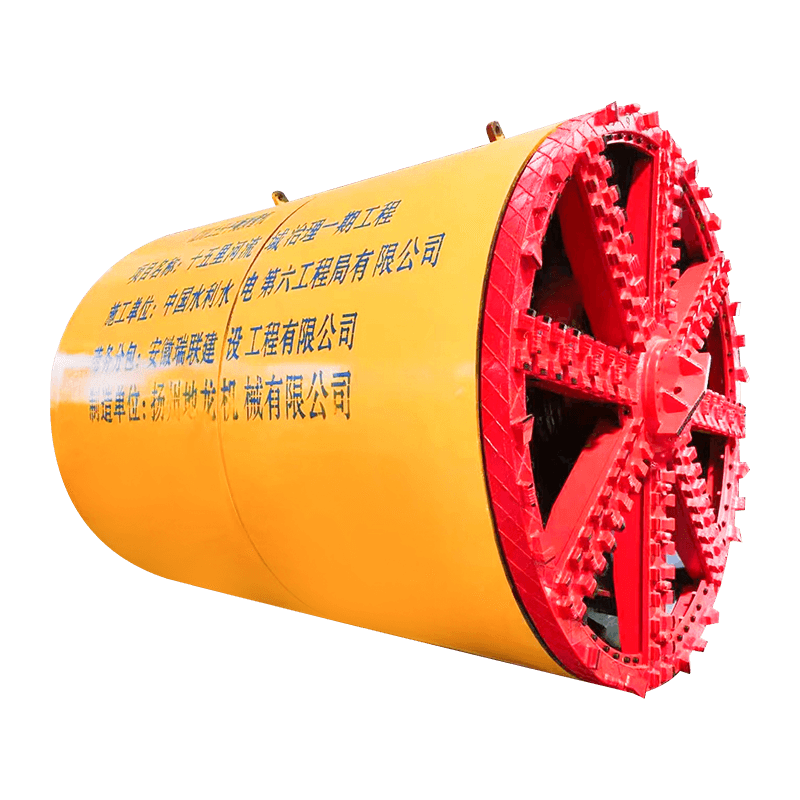
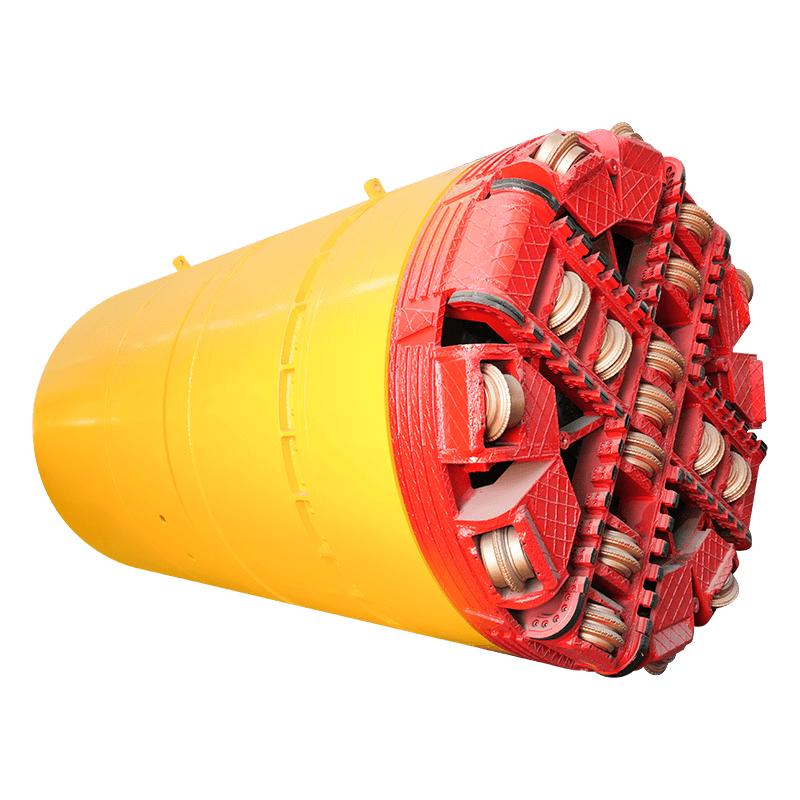
| Hard Rock TBM | Solid rock | Mountain tunnels |
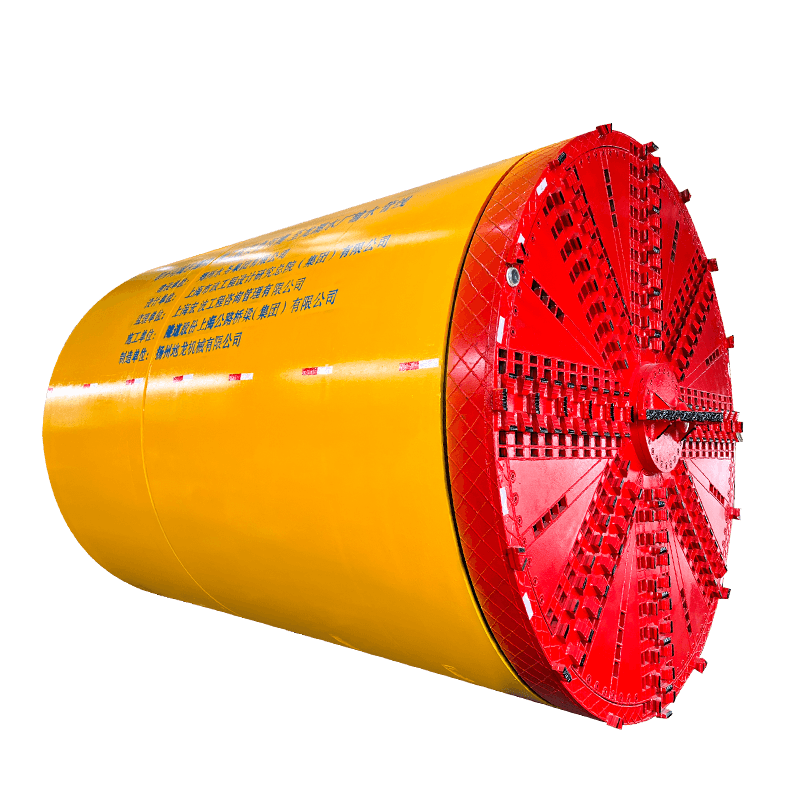
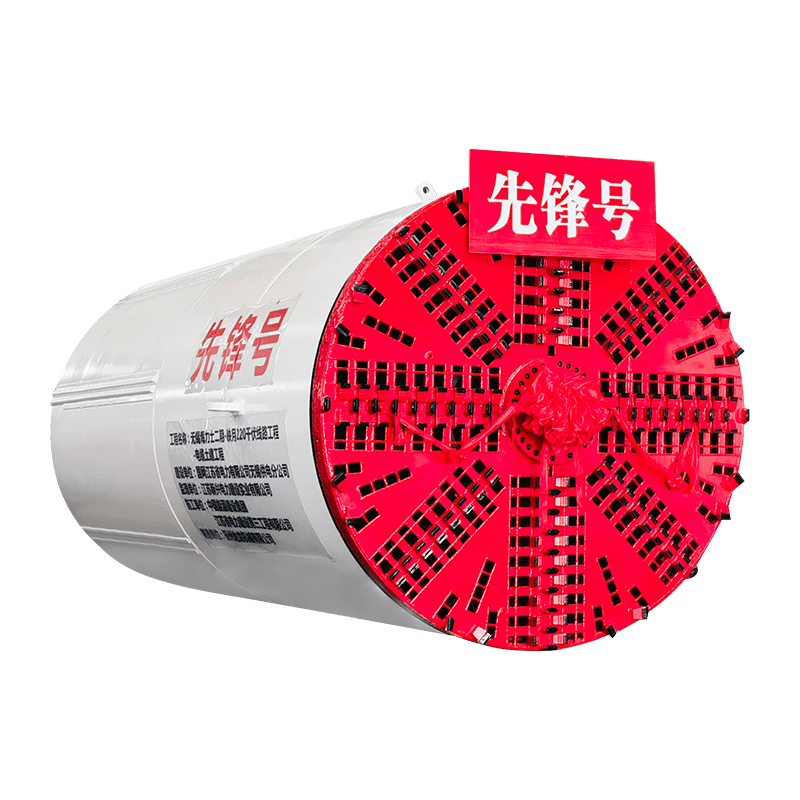
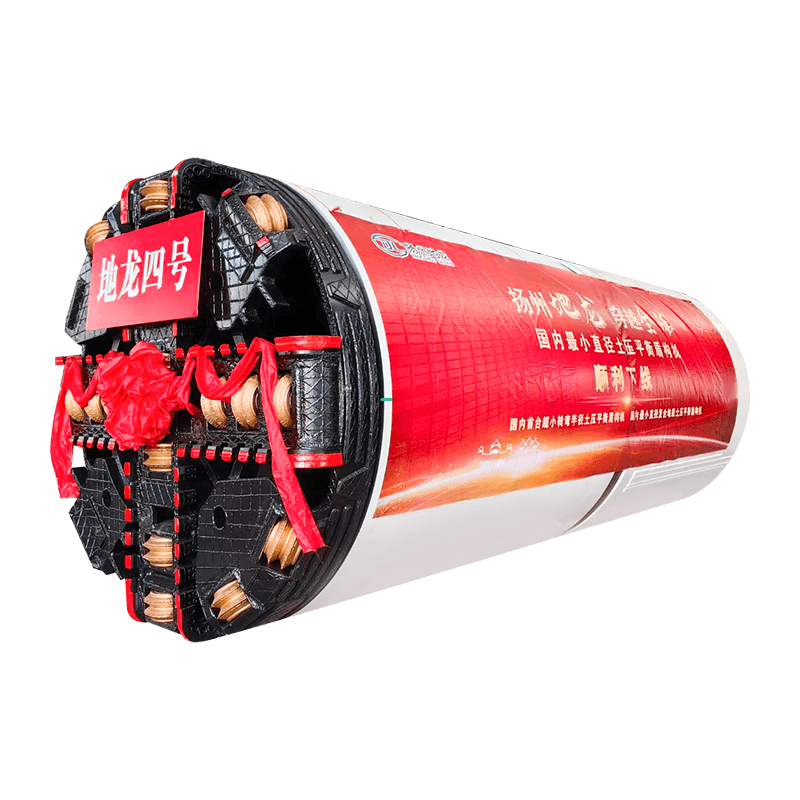
| EPB TBM Machine | Soft soil, clay | Urban metro tunnels |
| Slurry TBM Machine | Sand, gravel, high groundwater | River-crossing tunnels |

Key Factors When Choosing a TBM Machine
Selecting the right TBM machine requires careful analysis of project conditions rather than focusing on equipment size alone.
Important Selection Points
- Geological conditions and soil stability
- Tunnel diameter and alignment accuracy
- Groundwater pressure and water control needs
- Maintenance access and spare parts availability
Operational Challenges and Practical Solutions
Even advanced TBM machines may face issues during tunneling. Identifying problems early helps keep the project on schedule.
- Excessive cutter wear: use proper cutter materials and regular inspections
- Ground settlement: control face pressure carefully
- Alignment deviation: rely on real-time guidance systems
Future Development of TBM Machine Technology
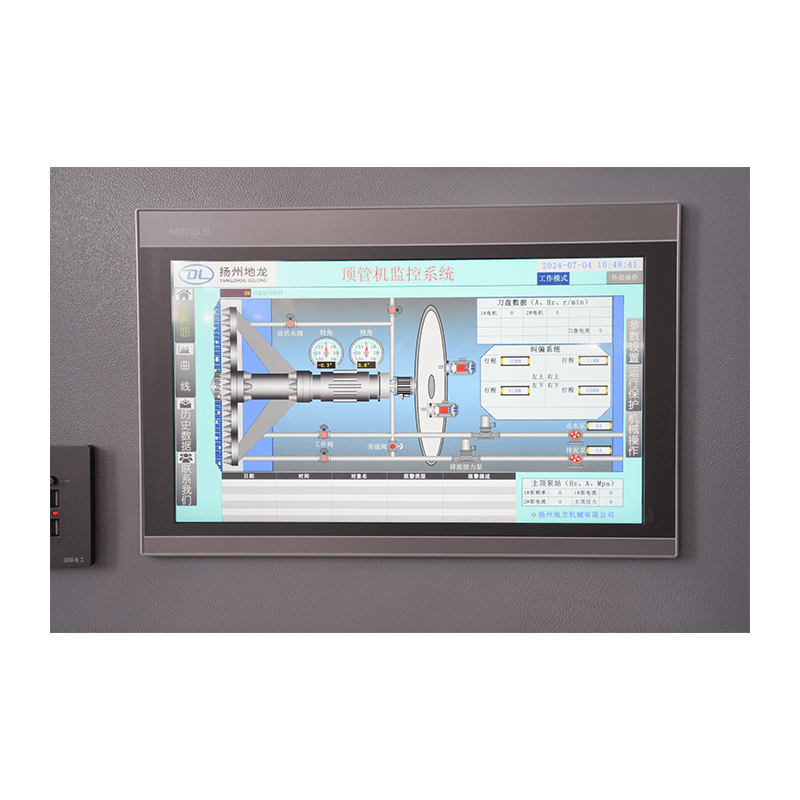
TBM machine technology is moving toward automation, real-time data monitoring, and smarter control systems. These upgrades improve excavation efficiency while reducing risks in complex underground environments.
As underground construction continues to expand, TBM machines will remain essential tools for safe, efficient, and sustainable tunnel development.