

 English
 Россия
 عربى
عربى

Content
Understanding How a Slurry Balance Shield Machine Handles High Water Pressure
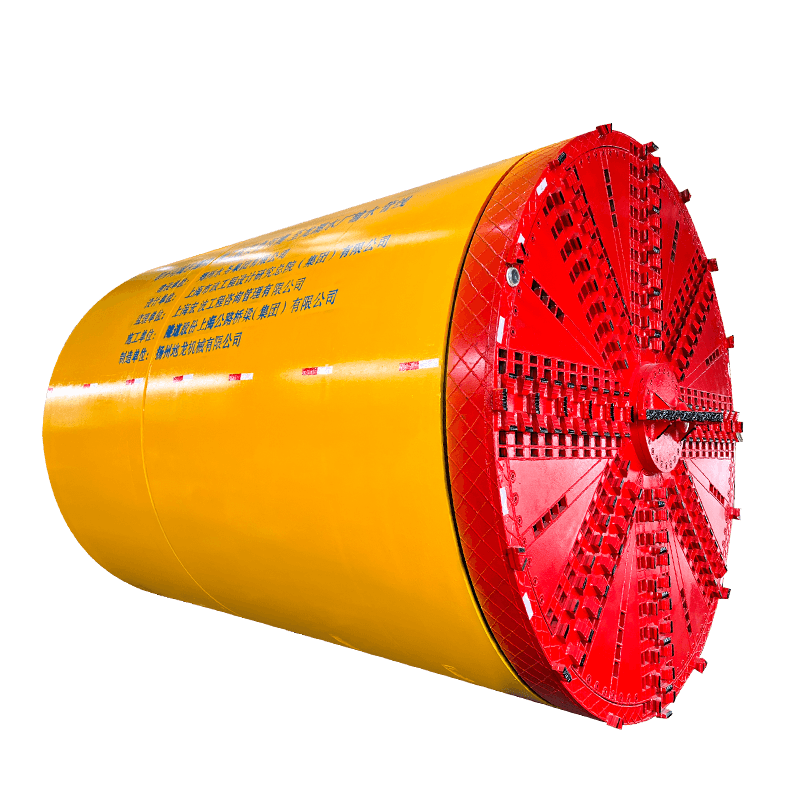
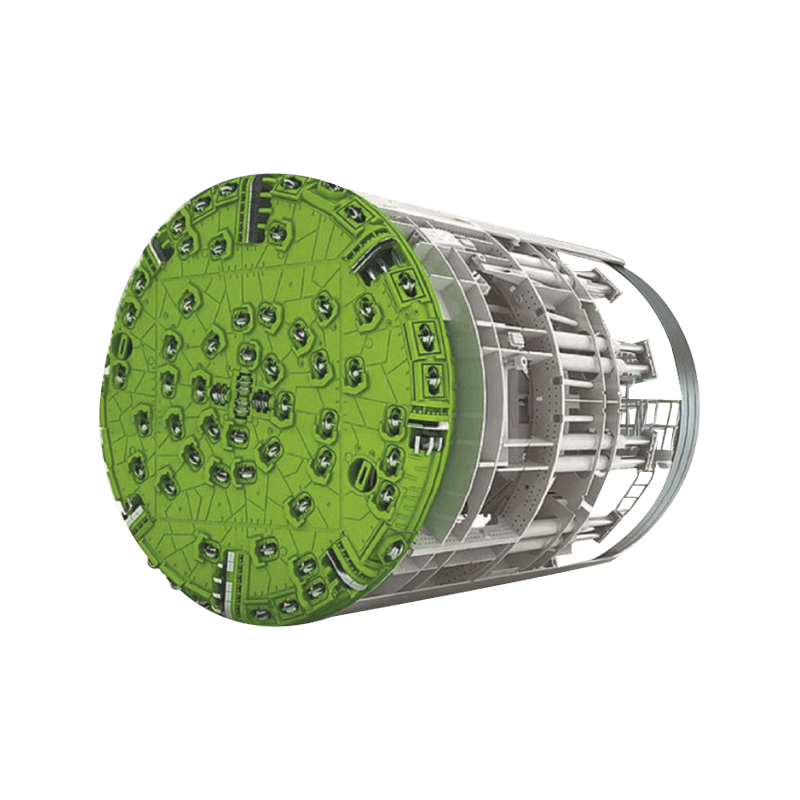
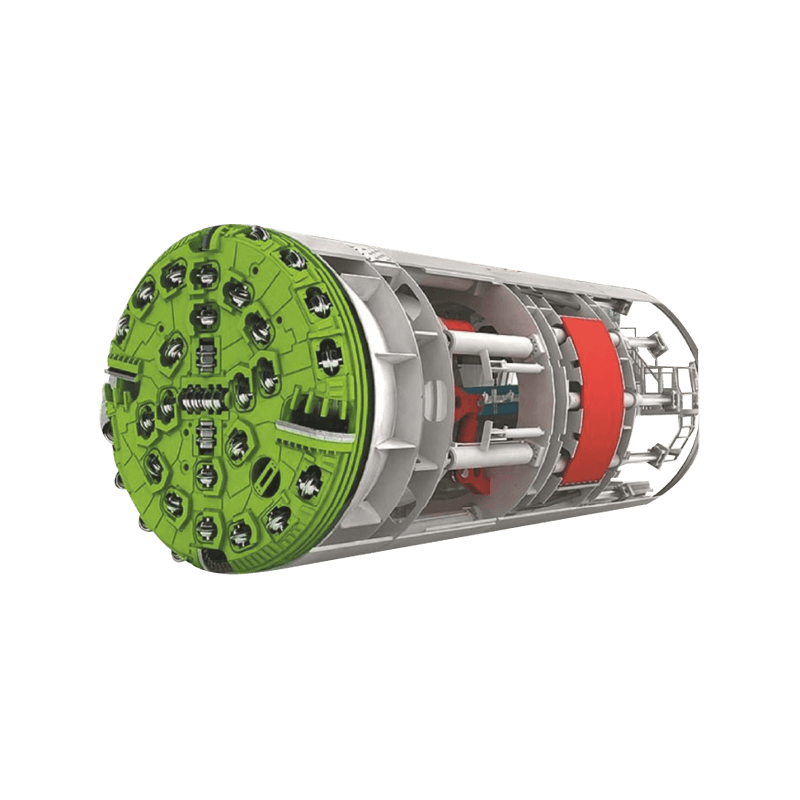
When tunneling through soft, water-rich soils like saturated clays, silts, or sandy alluvium, groundwater pressure becomes the biggest threat to face stability. A Slurry Balance Shield Machine solves this by continuously pumping a specially formulated bentonite slurry into the excavation chamber. This fluid creates a counter-pressure that perfectly matches the surrounding earth and water pressure, preventing blowouts, sinkholes, or sudden ground settlement. Unlike earth pressure balance systems that rely on conditioned soil paste, a slurry shield TBM uses a closed hydraulic loop that offers precise, real-time pressure control, making it the safest choice for projects running beneath rivers, railways, or densely populated urban zones.
The Pressure Balancing Principle in Real-World Conditions
The core of any hydro-shield boring system lies in its ability to dynamically adjust slurry density and flow rate based on live sensor feedback. Pressure transducers mounted directly on the cutterhead and inside the chamber send continuous data to the central control console. If groundwater pressure spikes due to tidal changes or underground springs, the pump system automatically increases slurry volume to maintain equilibrium. This closed-loop regulation eliminates the guesswork that often plagues open-face tunneling methods, allowing crews to maintain steady advance rates without risking face collapse or excessive soil displacement.
Key Components That Keep Your Slurry Balance Tunnel Boring Machine Running
A tunnel boring machine with slurry circuit is a highly integrated mechanical ecosystem. Each component must work in perfect synchronization to handle abrasive soils, manage high flow volumes, and maintain consistent pressure. Cutting corners on component quality or ignoring layout optimization quickly leads to bottlenecks, frequent breakdowns, and inflated project costs.
Cutterhead Design and Slurry Piping Layout
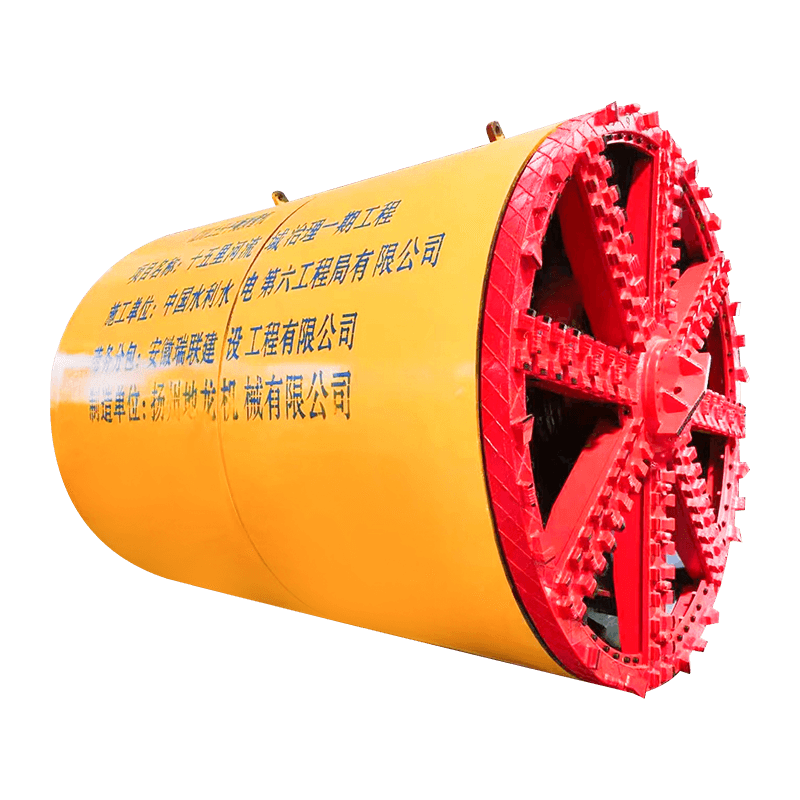
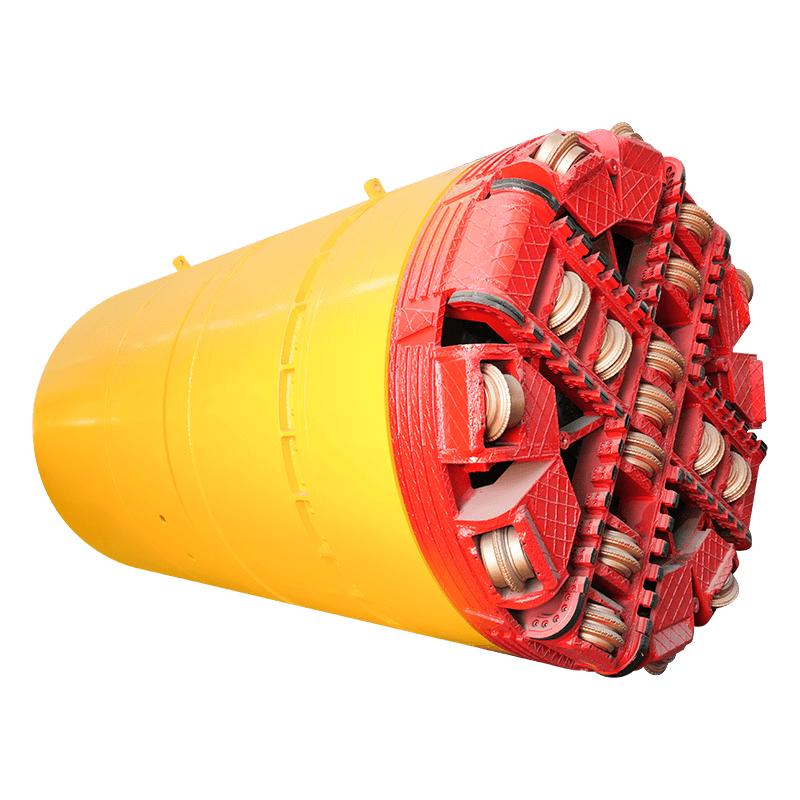
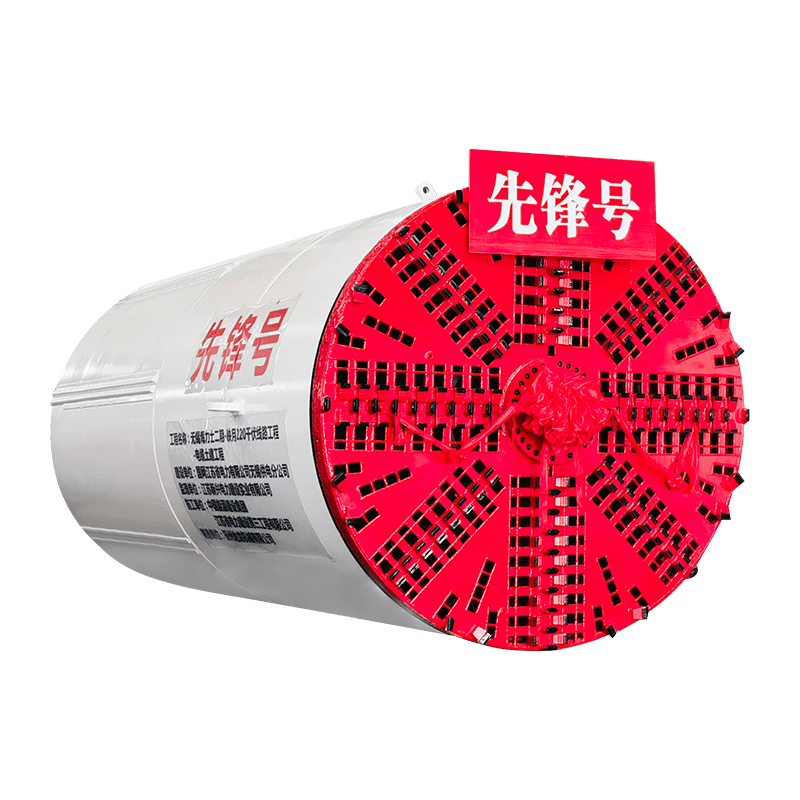
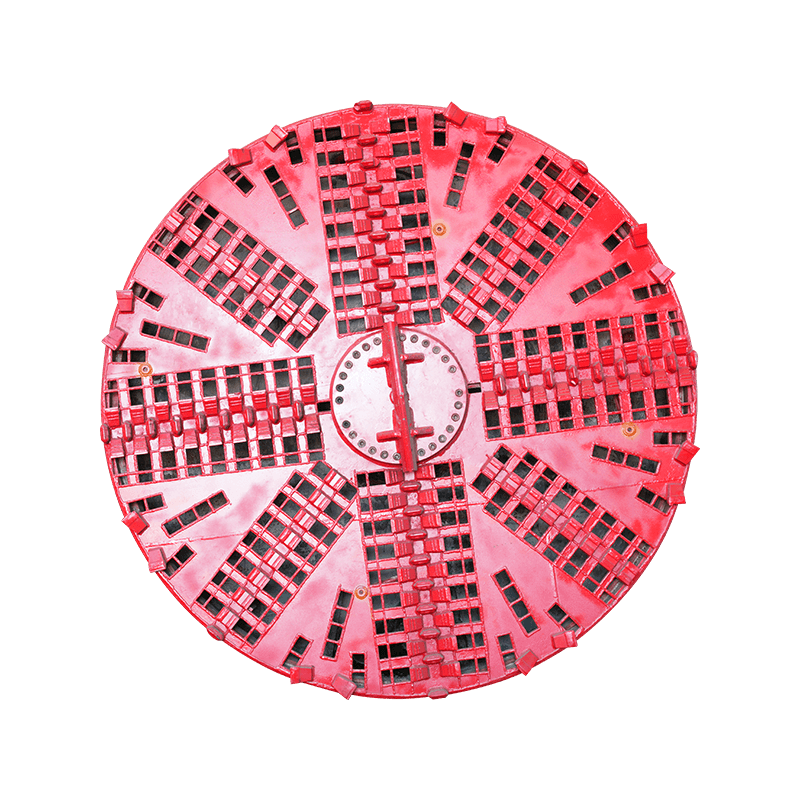
The cutterhead does more than just chew through rock; it acts as the primary entry point for the slurry balancing process. Modern designs feature optimized chamber openings, strategically placed flushing nozzles, and wear-resistant alloy tips that prevent material packing. The slurry intake and discharge pipes are typically arranged in a dual-circuit layout to allow seamless switching during cleaning or maintenance. Proper pipe diameter sizing, smooth internal coatings, and minimized bend angles are critical to reducing hydraulic friction and preventing premature pump strain.
Separation Plant and Recycling Loop
Excavated material mixed with slurry must be processed rapidly so the cleaned fluid can be recirculated. A well-designed separation plant typically combines coarse shaker screens, hydrocyclones, and centrifugal decanters to remove sand, silt, and heavy aggregates. The recovered bentonite is then treated with fresh polymers or water to restore its target viscosity and specific gravity. Without a tightly managed recycling loop, slurry properties degrade quickly, leading to poor face support and accelerated wear on downstream equipment.
Common Operational Hiccups and How to Fix Them Quickly
Even the most advanced slurry pressure balancing system encounters field challenges. Recognizing early warning signs and applying targeted corrections keeps advance rates stable and prevents minor issues from escalating into full shutdowns.
| Symptom | Likely Cause | Practical Fix |
| Sudden drop in face pressure | Slurry leakage or intake blockage | Inspect cutterhead nozzles, increase slurry flow rate, and verify pressure valve calibration |
| Excessive slurry viscosity | Over-accumulation of fine particles | Adjust hydrocyclone settings, add fresh dilution water, and run polymer flocculants |
| Pump cavitation noise | Low suction level or air ingress | Top up slurry tank, check intake seals, and bleed air from suction lines |
Routine Maintenance That Prevents Costly Downtime
Predictable tunneling depends entirely on disciplined maintenance routines. Skipping inspections on a slurry shield TBM rarely saves time; it only shifts repair work into critical advance windows, where every hour of delay compounds logistics and labor costs.
- Check cutterhead teeth and scraper wear daily, replacing damaged elements before they compromise excavation efficiency or allow debris into the slurry circuit
- Calibrate pressure sensors and flow meters at the start of every shift to ensure the slurry balancing system reads accurately under varying ground loads
- Inspect slurry pipeline joints, gaskets, and quick-couplings for micro-leaks that gradually reduce system efficiency and increase water loss
- Monitor separation plant screen tension and hydrocyclone wear cones weekly to maintain consistent particle removal and prevent slurry contamination
- Grease all rotating seals and bearing housings according to manufacturer torque specifications to avoid abrasive slurry intrusion and premature bearing failure
Treating maintenance as a proactive engineering discipline rather than a reactive repair cycle transforms project delivery. When crews pair disciplined upkeep with real-time monitoring, a Slurry Balance Shield Machine delivers consistent advance rates, minimal ground disturbance, and predictable completion timelines even in the most challenging subsurface environments.