

 English
 Россия
 عربى
عربى

Content
- 1 What Is an Earth Pressure Balance Pipe Jacking Machine?
- 2 Core Components and How They Work Together
- 3 How the Earth Pressure Balance Process Actually Works
- 4 Soil Conditions Where EPB Pipe Jacking Machines Excel
- 5 EPB Pipe Jacking vs. Slurry Pipe Jacking: Key Differences
- 6
- 7 Advantages of Using EPB Pipe Jacking in Urban Projects
- 8 Common Challenges and How Engineers Solve Them
- 9 Typical Applications and Project Examples
- 10 What to Look for When Selecting an EPB Pipe Jacking Machine
What Is an Earth Pressure Balance Pipe Jacking Machine?
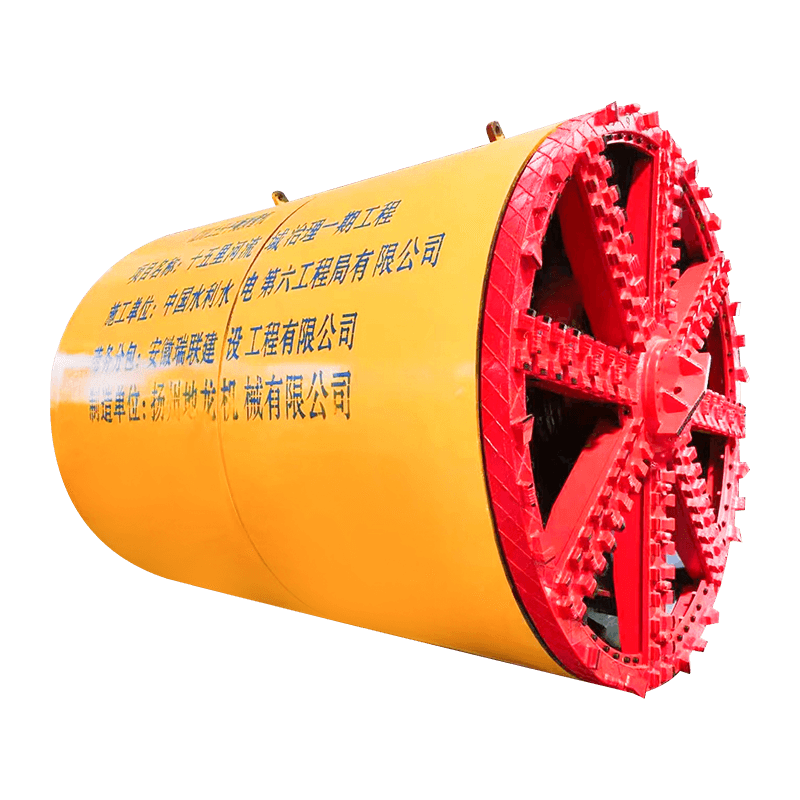
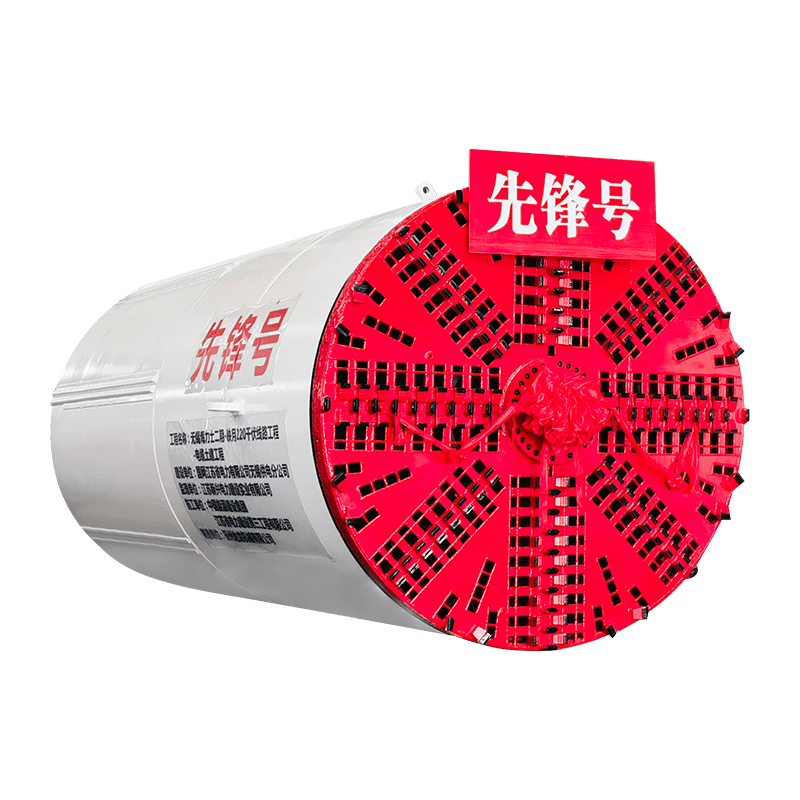
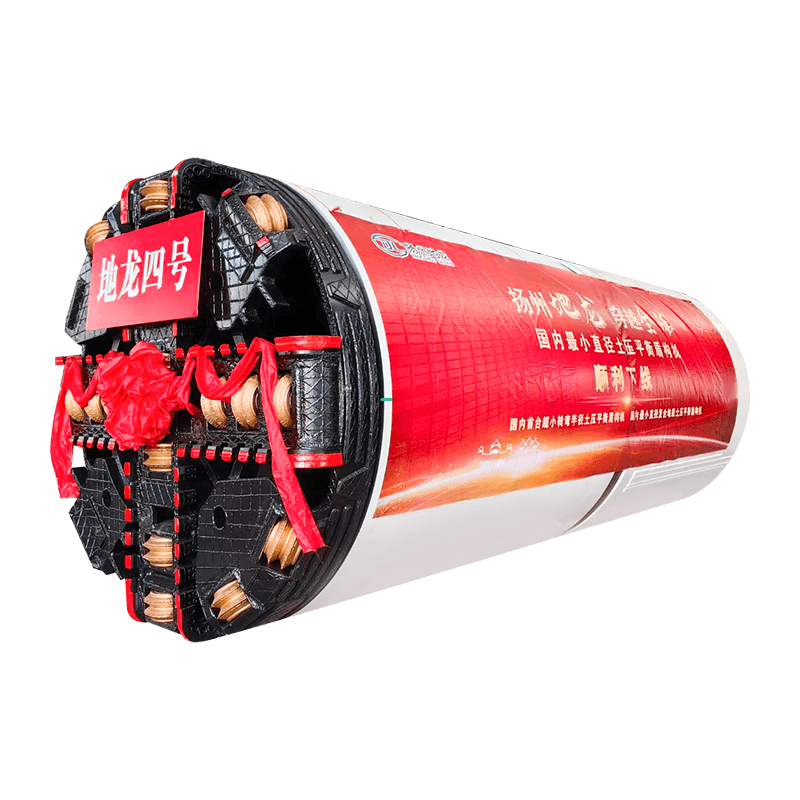
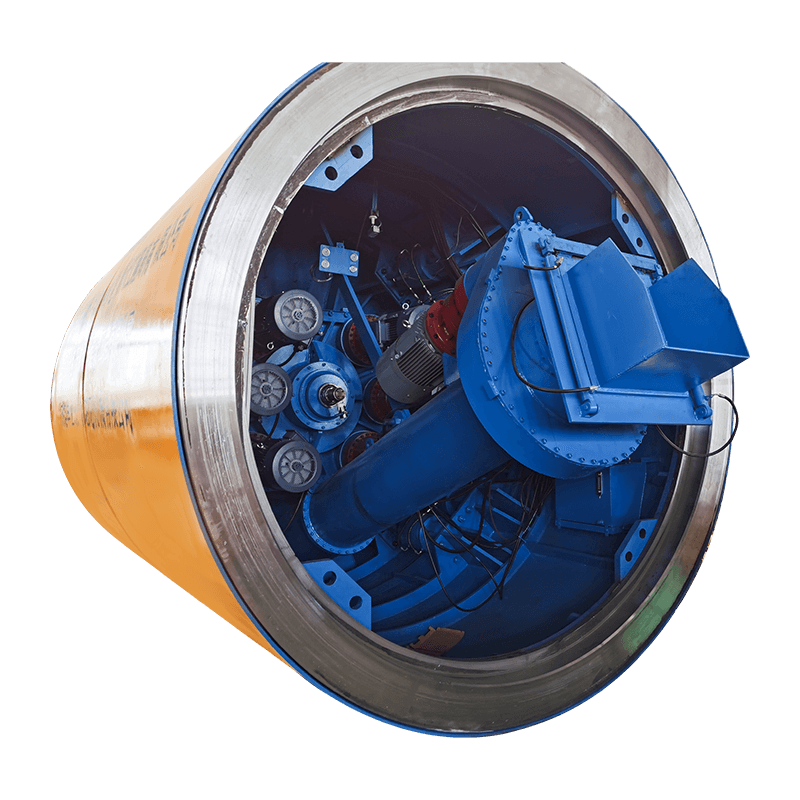
An Earth Pressure Balance Pipe Jacking Machine — often abbreviated as EPB pipe jacking machine — is a specialized piece of trenchless tunneling equipment designed to install underground pipelines without the need for open-cut excavation. It works by simultaneously boring through soil and pushing pipes into place behind it, making it one of the most efficient solutions for urban underground construction today.
The "earth pressure balance" part of the name refers to a core engineering principle: the machine actively manages the pressure of the excavated soil inside its cutter head chamber to match the natural ground and groundwater pressure outside. This balance prevents the ground from collapsing inward or heaving upward — a critical requirement when tunneling beneath busy roads, buildings, or other sensitive infrastructure.
These machines are widely used in sewage systems, water supply pipelines, gas lines, cable conduits, and urban drainage projects. They range in diameter from as small as 250mm for microtunneling applications up to several meters for large-diameter pipe installations.
Core Components and How They Work Together
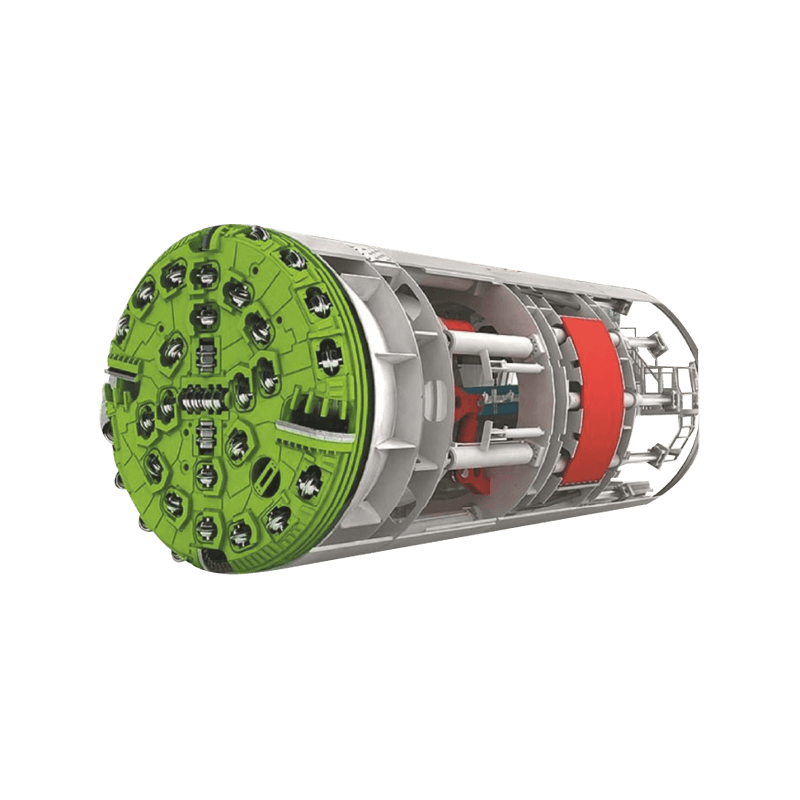
Understanding the machine starts with knowing its main components. Each part plays a specific role in maintaining safety, efficiency, and accuracy during tunneling operations.
The Cutter Head
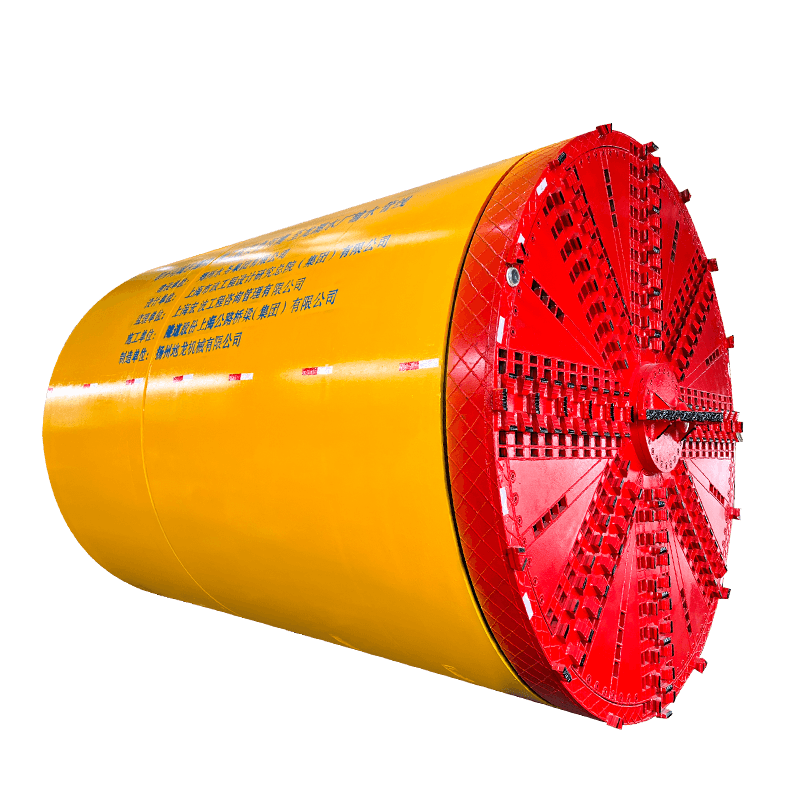
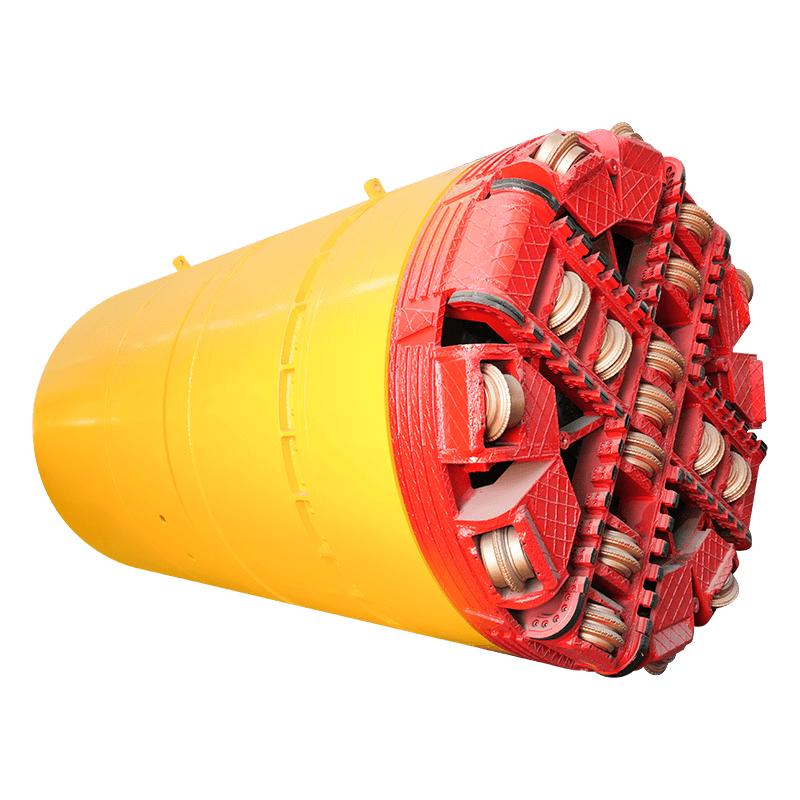
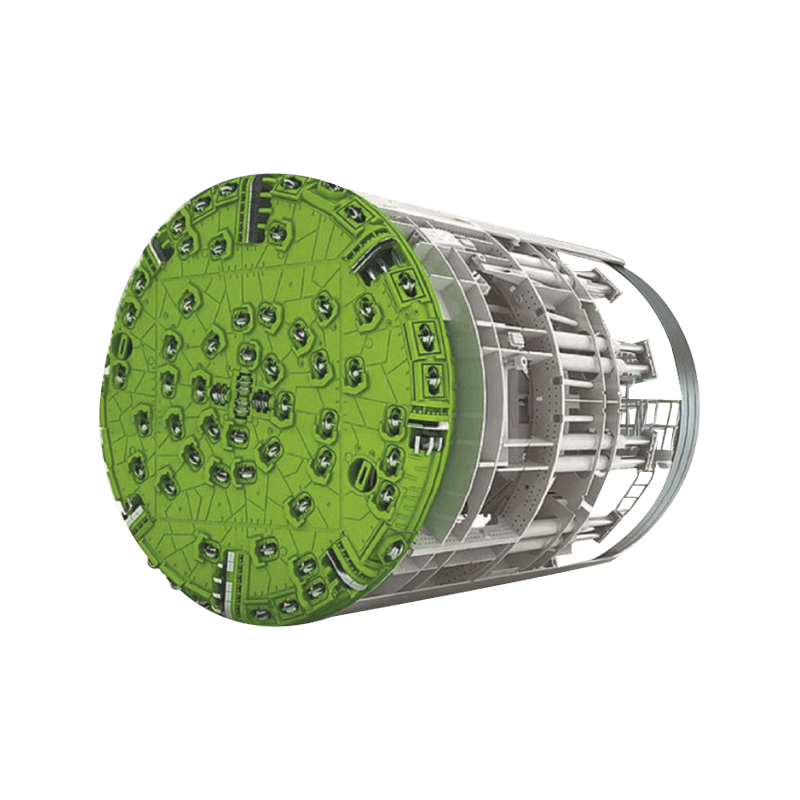
The rotating cutter head at the front of the machine breaks up soil as it advances. Depending on the ground conditions, the cutter head may be fitted with disc cutters for hard rock, scrapers for soft clay, or a combination of both for mixed-face conditions. The design of the cutter head is often customized to match the specific geology of a project site.
The Pressure Chamber (Earth Chamber)
Directly behind the cutter head sits the earth pressure chamber. Excavated soil fills this chamber, and its density and volume are carefully controlled to create the balancing pressure needed to support the tunnel face. Sensors monitor real-time pressure data, allowing operators to make instant adjustments.
The Screw Conveyor
A screw conveyor removes the excavated material from the pressure chamber at a controlled rate. The speed of the screw conveyor is a key variable — rotating it faster removes more material and reduces chamber pressure, while slowing it down increases pressure. This makes it one of the primary tools for maintaining earth pressure balance during operation.
The Jacking System
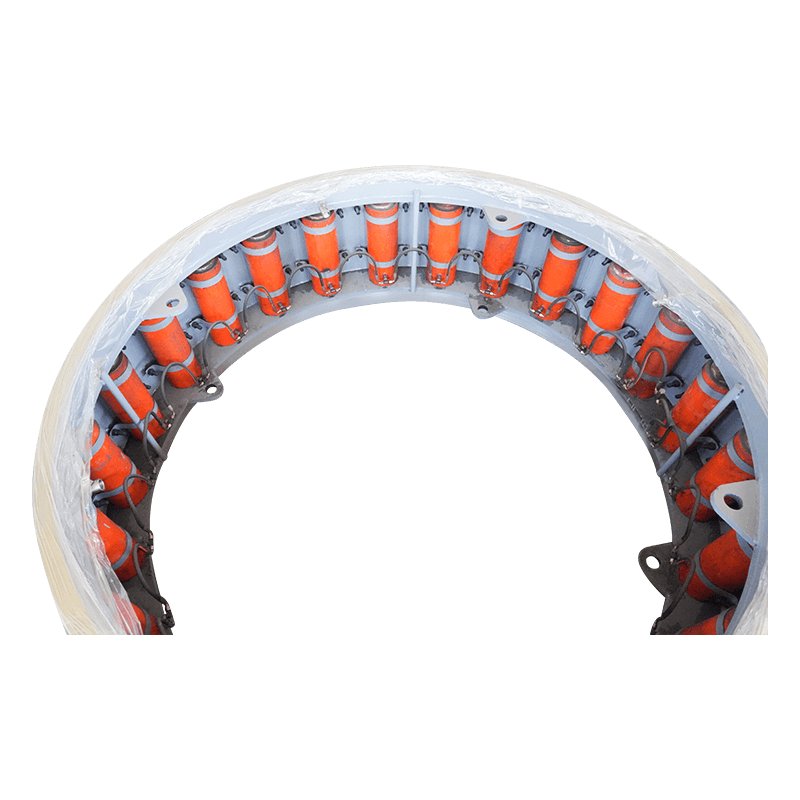
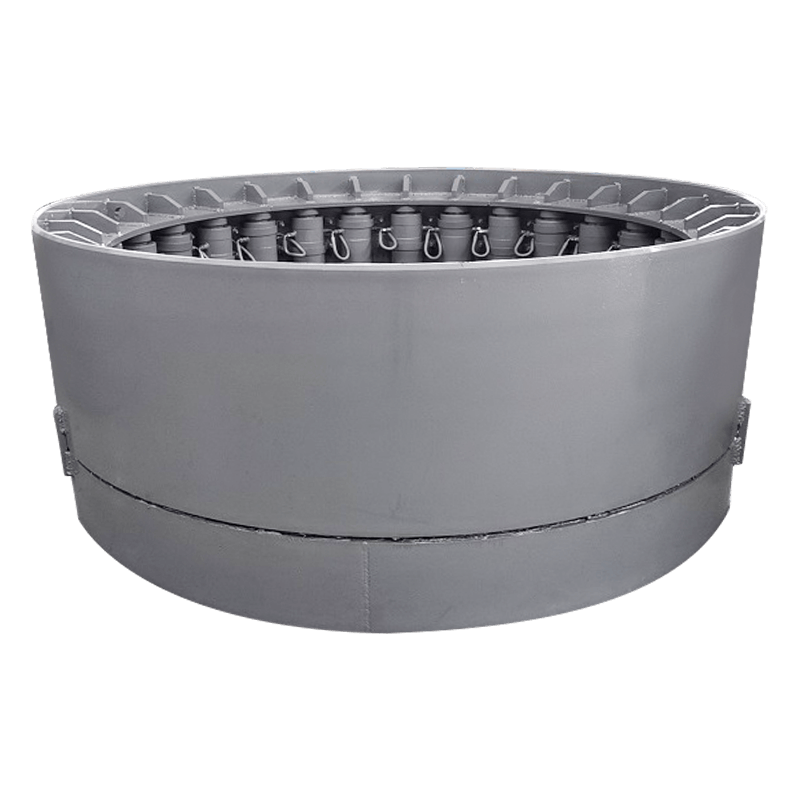
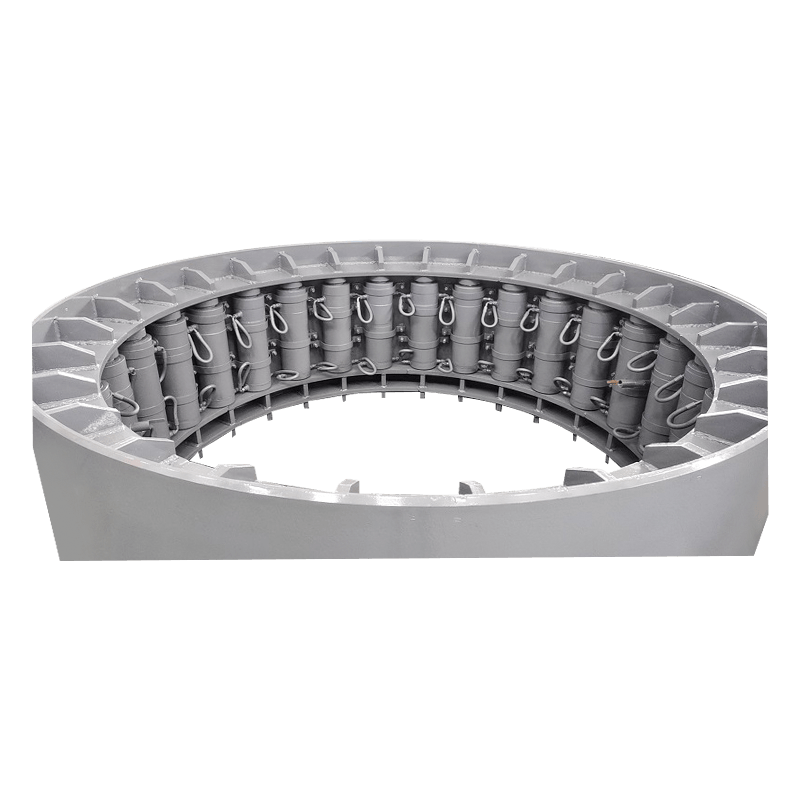
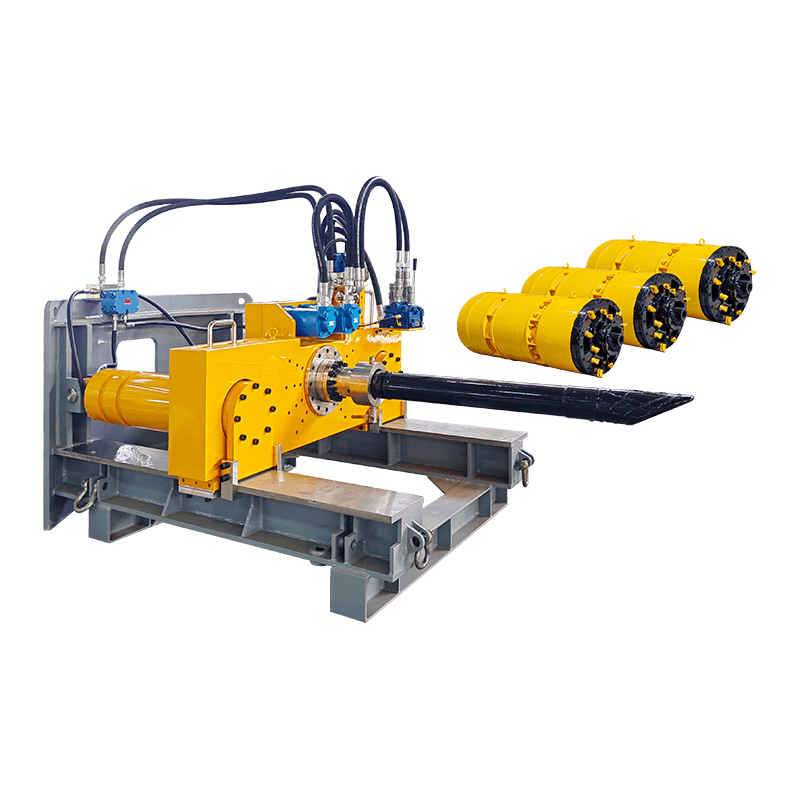
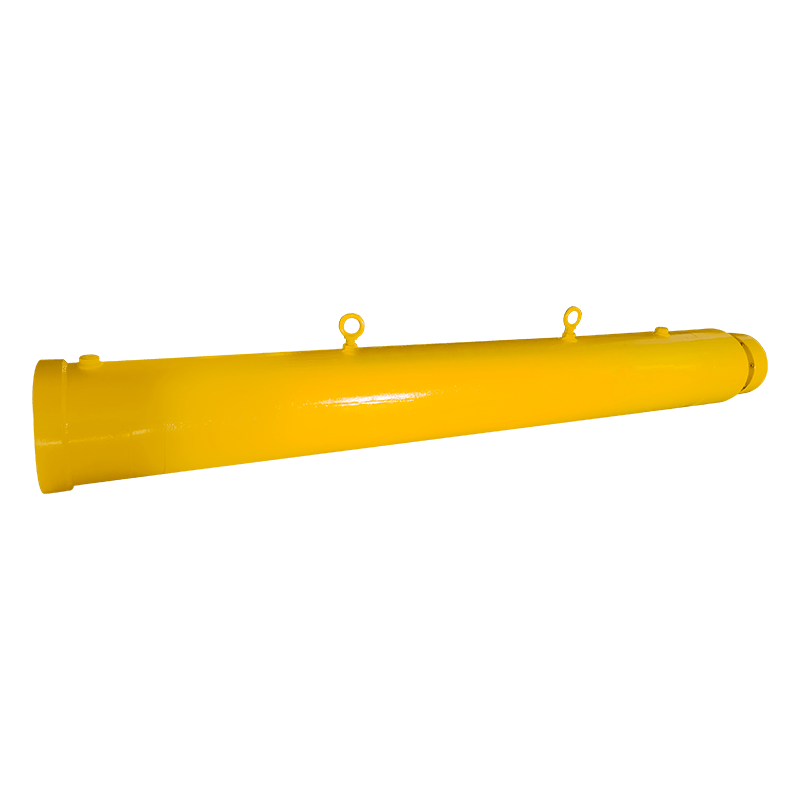
From a launch shaft, powerful hydraulic jacks push the entire pipe string — including the machine at the front — forward through the ground. As the machine advances, new pipe segments are added at the rear in the launch shaft. The cumulative jacking force can reach thousands of kilonewtons on longer drives, which is why pipe material strength and lubrication systems are carefully engineered.
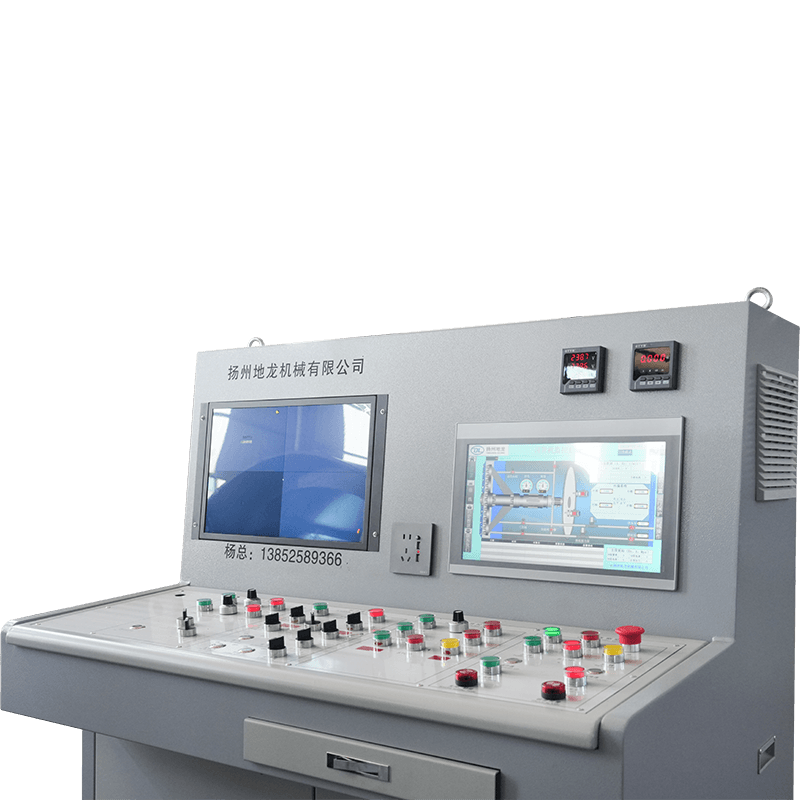
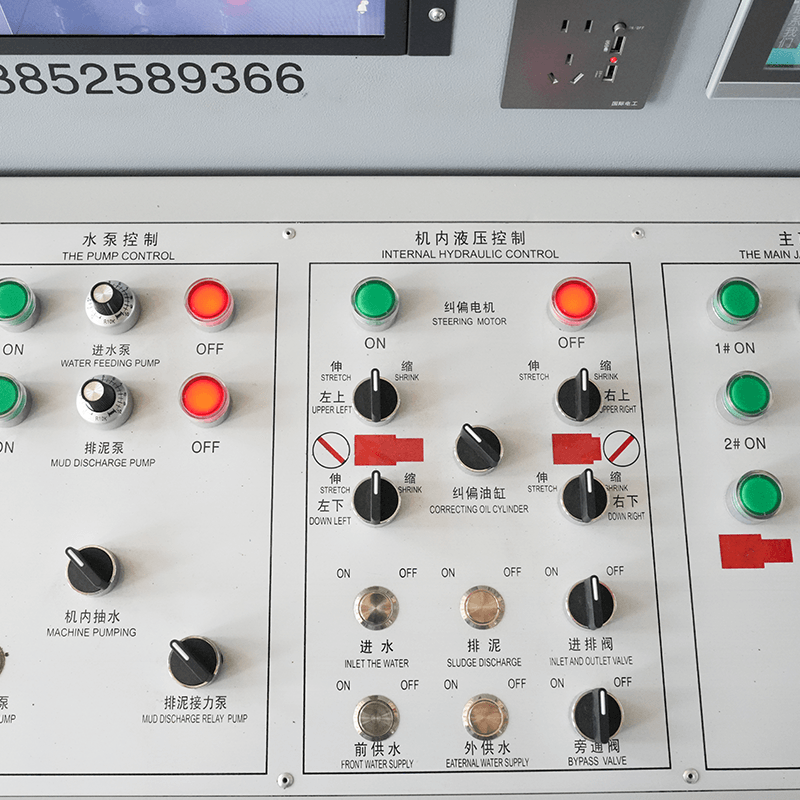
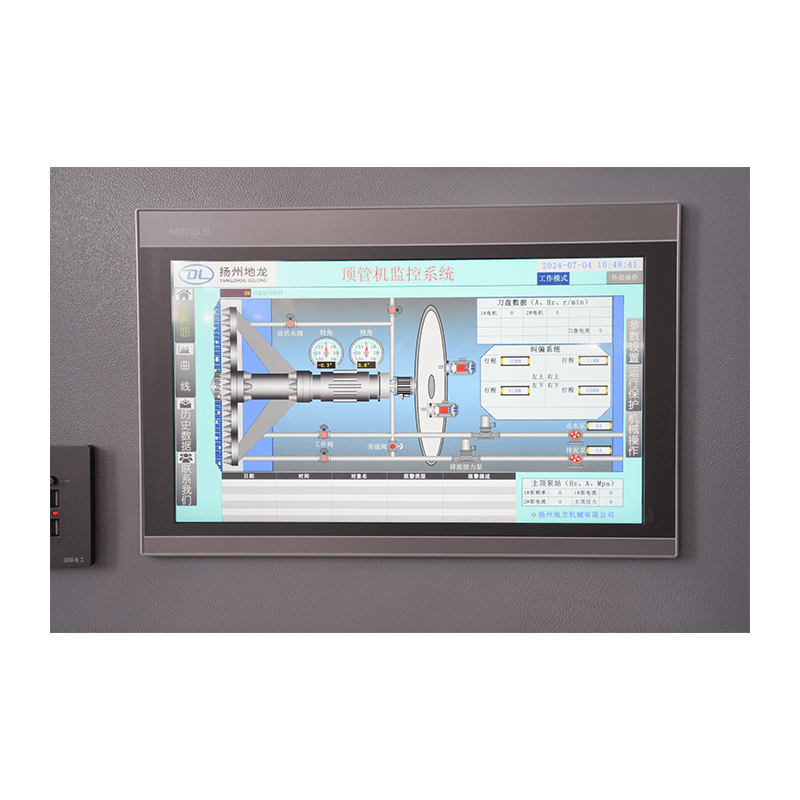
Modern EPB pipe jacking machines use laser theodolite systems, gyroscopes, and automated target tracking to maintain alignment with sub-millimeter accuracy. The operator monitors a real-time display showing the machine's position relative to the designed tunnel axis, making steering corrections via hydraulic articulation cylinders inside the machine.
How the Earth Pressure Balance Process Actually Works
The EPB process sounds straightforward in principle but requires constant, active management in practice. Here is a step-by-step breakdown of what happens during a typical tunneling drive:
- Launch shaft preparation: A reinforced launch shaft is excavated and lined. The EPB machine is lowered in, assembled, and aligned with the designed tunnel bore.
- Initial penetration: The machine bores into the ground while hydraulic jacks push it forward. The first pipe segment follows directly behind.
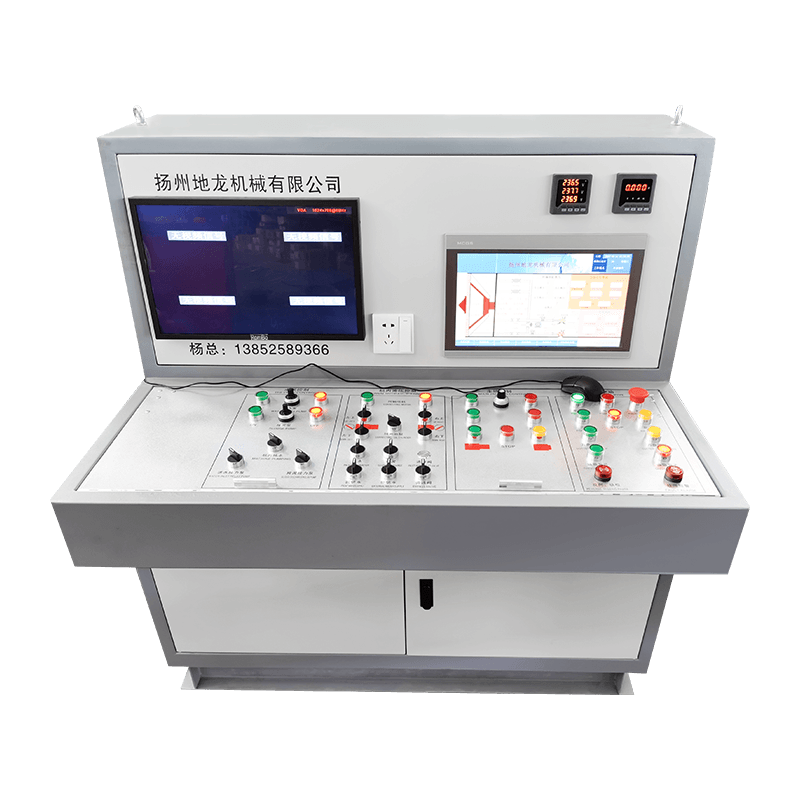
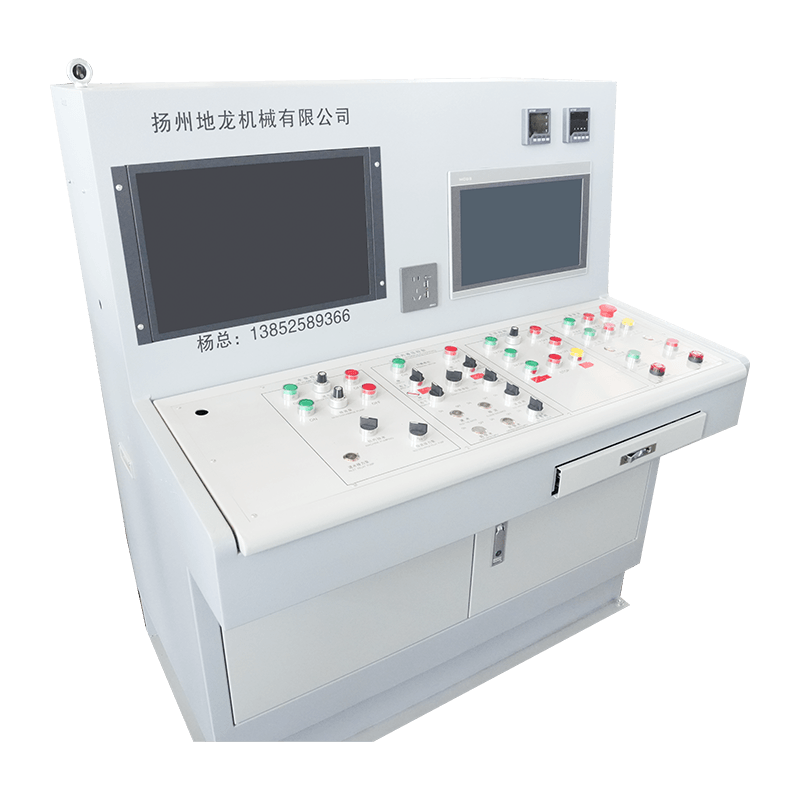
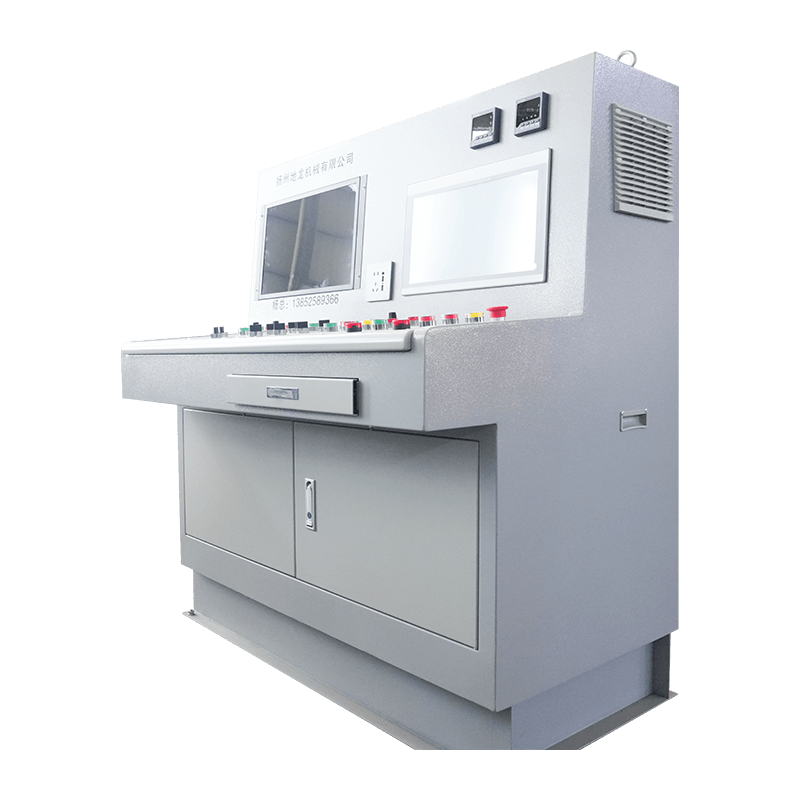
- Pressure monitoring: Sensors feed real-time data to the control cabin. The operator adjusts cutter head rotation speed and screw conveyor speed to maintain target chamber pressure.
- Pipe addition cycle: Each time the machine advances one pipe length, jacking is paused, a new pipe is lowered into the launch shaft, and the cycle resumes.
- Lubrication injection: Bentonite slurry is injected around the outside of the pipe string to reduce friction and lower the required jacking force. This also fills the annular gap between the pipe and surrounding soil.
- Reception and retrieval: Upon reaching the reception shaft, the machine is dismantled and removed. The installed pipeline is then connected to the project's infrastructure.
Soil Conditions Where EPB Pipe Jacking Machines Excel
The EPB pipe jacking method is not a one-size-fits-all solution, but it covers an impressively wide range of ground conditions. Here is how performance varies across different soil types:
| Soil Type | EPB Suitability | Notes |
| Soft clay | Excellent | Ideal EPB conditions; natural plasticity aids pressure balance |
| Sandy soil | Good | Foam conditioning required to improve soil plasticity |
| Gravelly soil | Moderate | Polymer or bentonite conditioning needed; wear on cutters increases |
| Silt / soft alluvium | Excellent | High groundwater control capability is a key advantage here |
| Mixed face (soil + rock) | Fair | Requires hybrid cutter head design; more complex operation |
| Hard rock | Poor | TBM or slurry machine typically preferred in these conditions |
Soil conditioning is often the deciding factor in EPB performance. Additives such as foam, polymer slurry, and bentonite are injected directly into the cutting chamber to adjust the consistency, permeability, and friction of excavated material, turning otherwise challenging soils into manageable ones.
EPB Pipe Jacking vs. Slurry Pipe Jacking: Key Differences
Engineers frequently compare Earth Pressure Balance pipe jacking machines with slurry (or slurry shield) pipe jacking systems, as both are trenchless methods suited for soft, water-bearing ground. The choice between them depends on project-specific factors.
- Spoil removal: EPB machines use a mechanical screw conveyor to remove excavated soil as a semi-solid material, while slurry machines mix cuttings with pressurized liquid and pump them out as slurry — requiring a surface separation plant.
- Environmental footprint: EPB systems generally have a smaller surface footprint since they do not need a slurry treatment plant. This makes them more practical on tight urban job sites.
- Groundwater pressure: Slurry systems handle very high groundwater pressures more reliably, making them the preferred choice in deep tunnels below the water table or in very permeable, coarse gravels.
- Cost and setup: EPB setups are generally less expensive and faster to mobilize, as there is no need for slurry mixing, pumping, and treatment infrastructure.
- Soil adaptability: With proper conditioning, EPB machines handle a wider variety of soil types compared to slurry systems, which are optimized for fine-grained, high-permeability soils.
Advantages of Using EPB Pipe Jacking in Urban Projects
The rise of EPB pipe jacking machines in urban infrastructure is no accident. Several practical advantages make them a go-to choice for city contractors and municipal engineers dealing with congested underground environments.
Minimal Surface Disruption
Because EPB pipe jacking is a trenchless method, road closures, utility conflicts, and traffic disruptions are drastically reduced compared to open-cut excavation. Only a launch shaft and a reception shaft need to be constructed at the surface, both of which can be confined to small areas like parking lots, side streets, or green spaces.
Controlled Ground Settlement
The active face pressure control in EPB machines keeps ground movement to a minimum. Projects in cities like Tokyo, Singapore, and London have demonstrated surface settlements of less than 10mm even when tunneling beneath century-old foundations, thanks to precise EPB pressure management.
Ability to Work Under Groundwater
Traditional open excavation in high groundwater areas requires extensive dewatering, which is expensive, time-consuming, and potentially harmful to surrounding structures. EPB pipe jacking machines operate with the face pressure balanced against groundwater pressure, eliminating the need for dewatering in most cases.
High Installation Accuracy
Modern guidance systems allow EPB pipe jacking machines to maintain alignment tolerances within ±25mm over drives of 100 meters or more. This level of precision is essential when tying into existing sewer manholes, connecting to live water mains, or threading beneath existing underground infrastructure.
Common Challenges and How Engineers Solve Them
Despite their capabilities, EPB pipe jacking machines come with operational challenges that require experienced engineering judgment to manage effectively.
Clogging in Sticky Soils
In high-plasticity clays, excavated material can stick to the cutter head and screw conveyor, causing "clogging" or "balling." Engineers address this by injecting water or foam into the cutting chamber to reduce soil adhesion and improve flowability. Anti-clogging cutter head designs with scraper arrangements and flushing nozzles are also standard on machines intended for clay-heavy projects.
High Jacking Forces on Long Drives
As the pipe string grows longer, friction between the pipes and surrounding soil accumulates. On drives exceeding 100–150 meters, this can push jacking forces to levels that risk pipe damage. Intermediate jacking stations — hydraulic units installed at intervals along the pipe string — are used to distribute and reduce the peak force at the launch shaft.
Sudden Changes in Ground Conditions
Unexpected boulders, mixed-face transitions, or groundwater pockets can alter machine behavior rapidly. Pre-project site investigation using boreholes, cone penetration tests (CPT), and ground-penetrating radar helps anticipate these changes. During construction, operators rely on real-time monitoring of torque, thrust, and chamber pressure to detect anomalies early.
Curved Alignment Drives
Some projects require curved or radius-driven pipe installations to navigate around existing utilities. Tight-radius curves increase side friction and require careful pipe joint design to prevent leakage or cracking under the lateral loads. EPB machines with articulated bodies and specially designed curved pipe sections can execute radii as tight as 150 meters in favorable soil conditions.
Typical Applications and Project Examples
Earth Pressure Balance pipe jacking machines are deployed across a broad range of infrastructure sectors. Their versatility makes them relevant from small municipal drainage projects to large-scale urban utility networks.
- Sewage and drainage systems: EPB microtunneling is the dominant method for installing new gravity sewers in urban environments where open trenching would disrupt traffic and existing utilities.
- Water supply pipelines: Large-diameter EPB drives are used to install water transmission mains beneath rivers, highways, and rail corridors.
- Gas and oil pipelines: Trenchless crossings of sensitive environmental zones — wetlands, protected parks, or heritage areas — are frequently executed using EPB pipe jacking.
- Cable and telecom conduits: Utility providers use EPB pipe jacking to install high-voltage cable ducts and fiber optic conduits beneath city centers without surface disruption.
- Road and railway underpasses: Where new culverts or pedestrian underpasses need to be created beneath active roads or rail lines, EPB jacking avoids the need for track possessions or road closures.
What to Look for When Selecting an EPB Pipe Jacking Machine
Choosing the right EPB pipe jacking machine for a project requires matching machine specifications to ground conditions, pipe diameter, drive length, and project constraints. Here are the key selection criteria engineering teams typically evaluate:
- Cutterhead design: Confirm that the spoke configuration, cutting tool types, and opening ratio are matched to the expected soil profile. A cutterhead optimized for clay will underperform in gravel without modification.
- Maximum operating pressure: The machine must be rated for the maximum combined earth and groundwater pressure it will encounter at the deepest point of the drive.
- Screw conveyor capacity: Ensure the conveyor's throughput capacity matches the planned advance rate, taking into account soil swell factors after excavation.
- Guidance system accuracy: For precision installations in tight utility corridors, verify the guidance system's stated accuracy over the expected drive length.
- Conditioning injection points: Multiple injection ports on the cutterhead and within the pressure chamber allow more uniform distribution of conditioning agents — an important feature for variable soil conditions.
- After-sales support and spare parts: On a live urban project, machine downtime is extremely costly. Verify that the manufacturer can provide technical support and critical spare parts within 24–48 hours.
Working closely with the machine manufacturer during the pre-tender phase — sharing borehole logs, groundwater data, and alignment drawings — allows them to configure a machine specifically suited to the project's demands rather than supplying a generic off-the-shelf unit.