

 English
 Россия
 عربى
عربى

Content
Understanding the Mechanics of a Pipe Jacking Machine
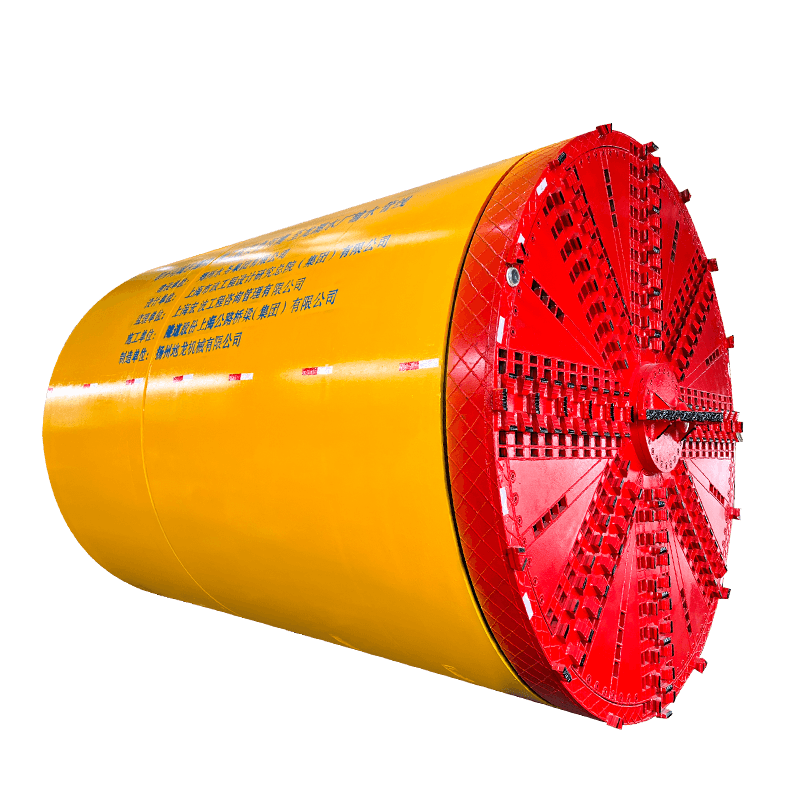
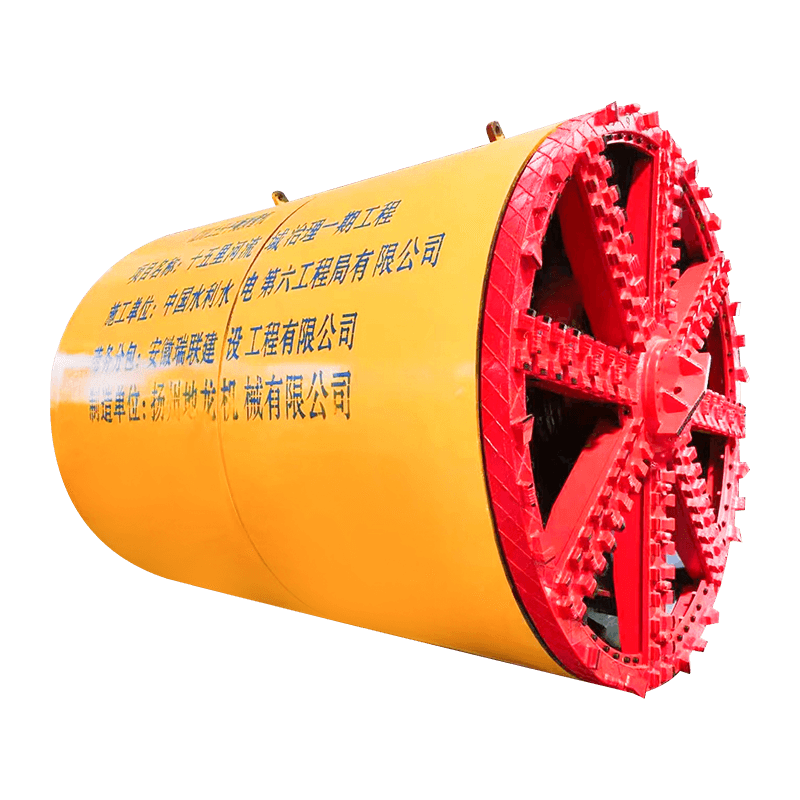
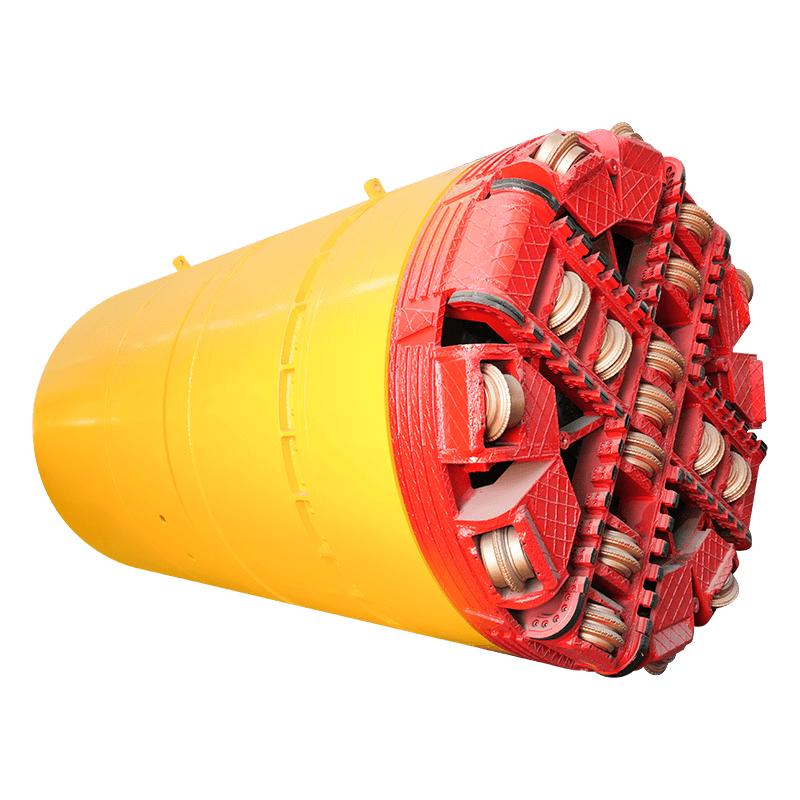
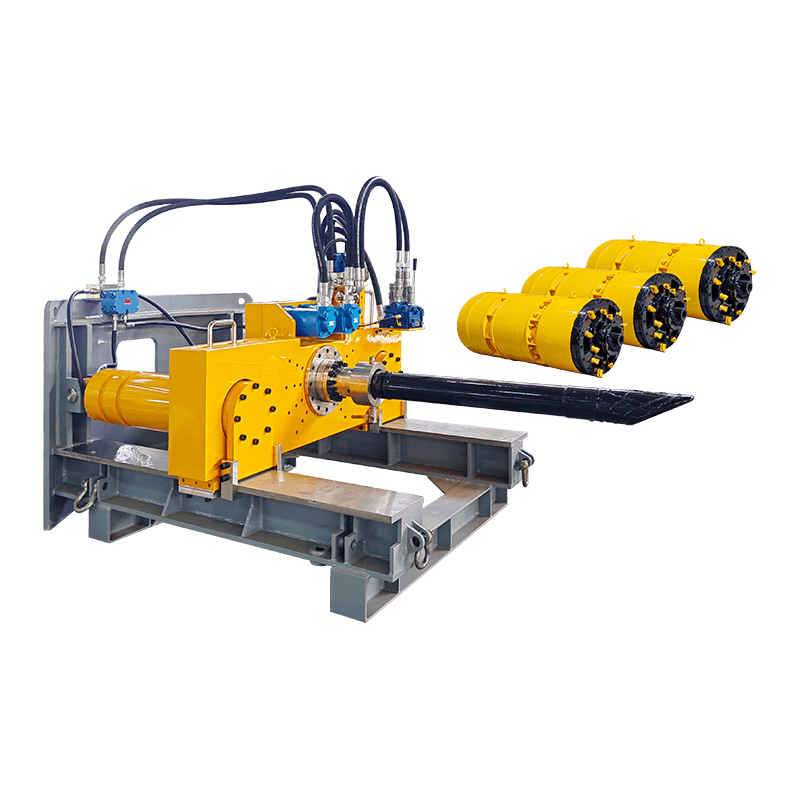
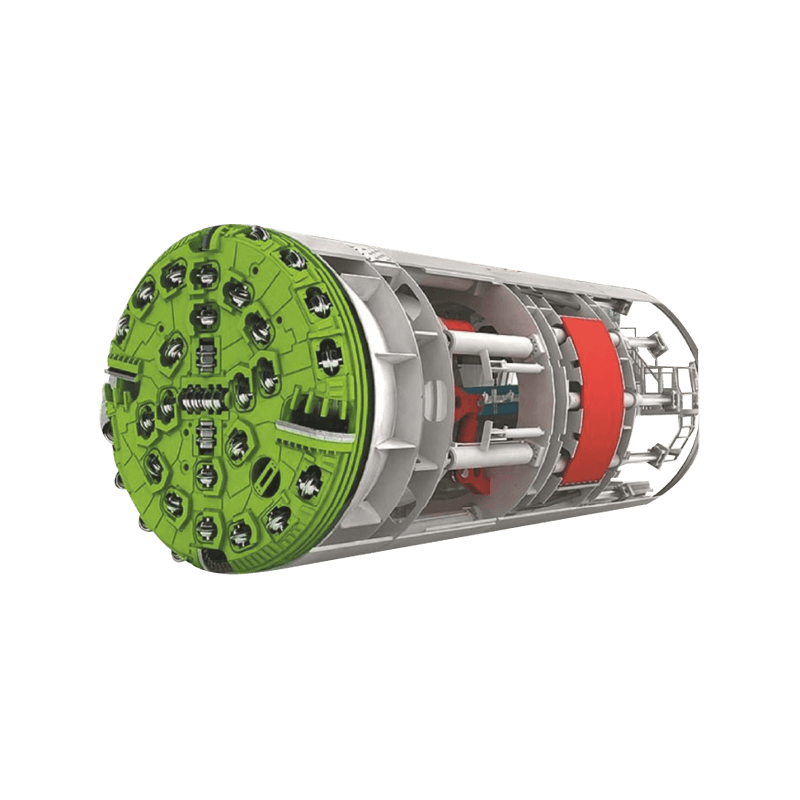
A pipe jacking machine, often referred to in the industry as a microtunneling boring machine (MTBM), is a sophisticated piece of engineering designed to install underground pipelines without the need for extensive surface excavation. The process involves a powerful hydraulic jacking station located in a launch shaft, which pushes the pipe segments through the soil. At the front of the pipe string, a specialized shield or cutting head excavates the ground. This method is highly favored in urban environments where traditional "cut and cover" techniques would disrupt traffic, damage existing infrastructure, or require expensive restoration of surface landscaping.
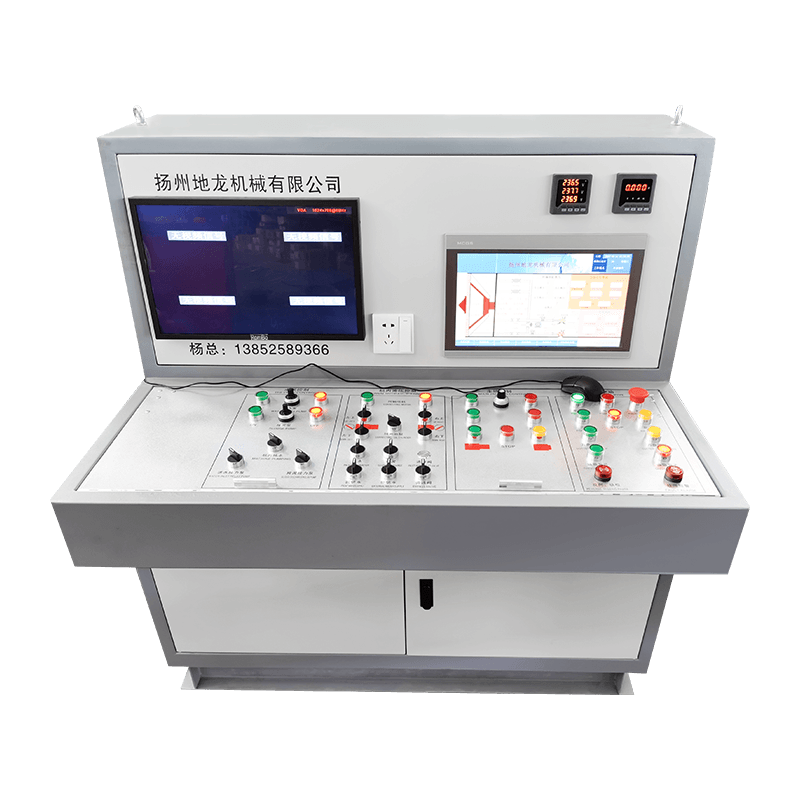
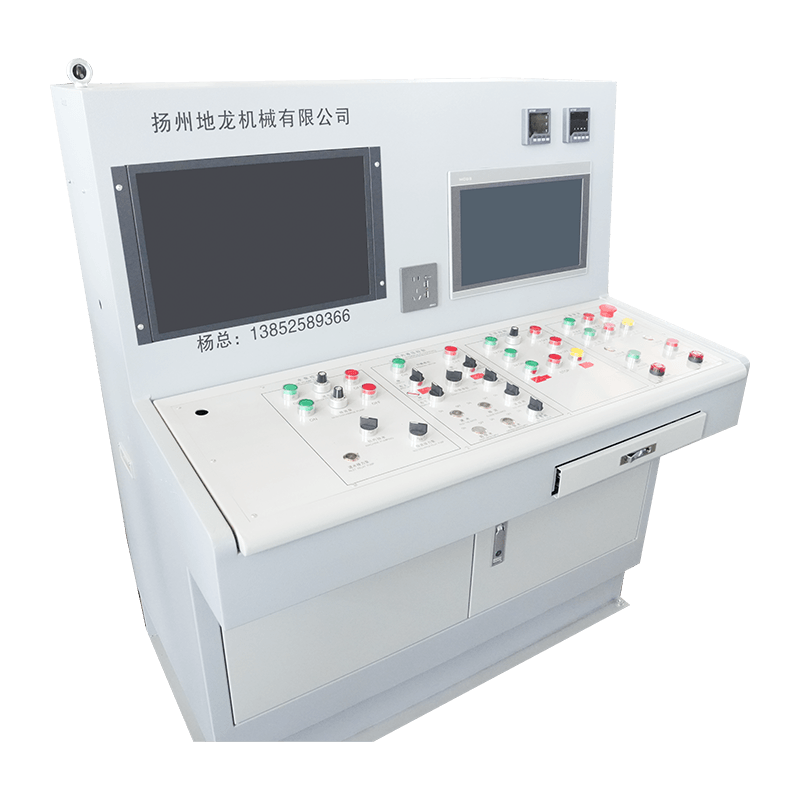
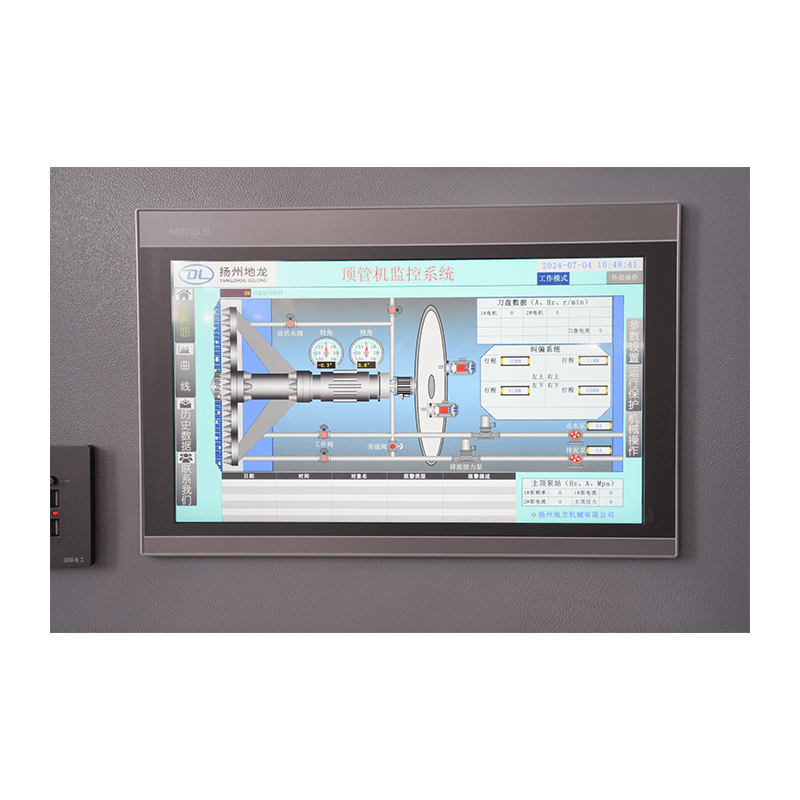
The precision of these machines is maintained through a laser guidance system. A laser beam is projected from the launch shaft to a target located within the tunneling shield. This allows the operator to monitor the machine's position in real-time and make minute adjustments to the steering cylinders. By maintaining this high level of accuracy, pipe jacking equipment can install pipelines over long distances and through complex curves with minimal deviation from the planned alignment.
Core Components of a Trenchless Jacking System
To ensure a successful installation, several critical components must work in perfect synchronization. The efficiency of the operation depends not just on the cutting head, but on the support systems that manage pressure, lubrication, and soil removal. Below are the primary elements involved in a standard setup:
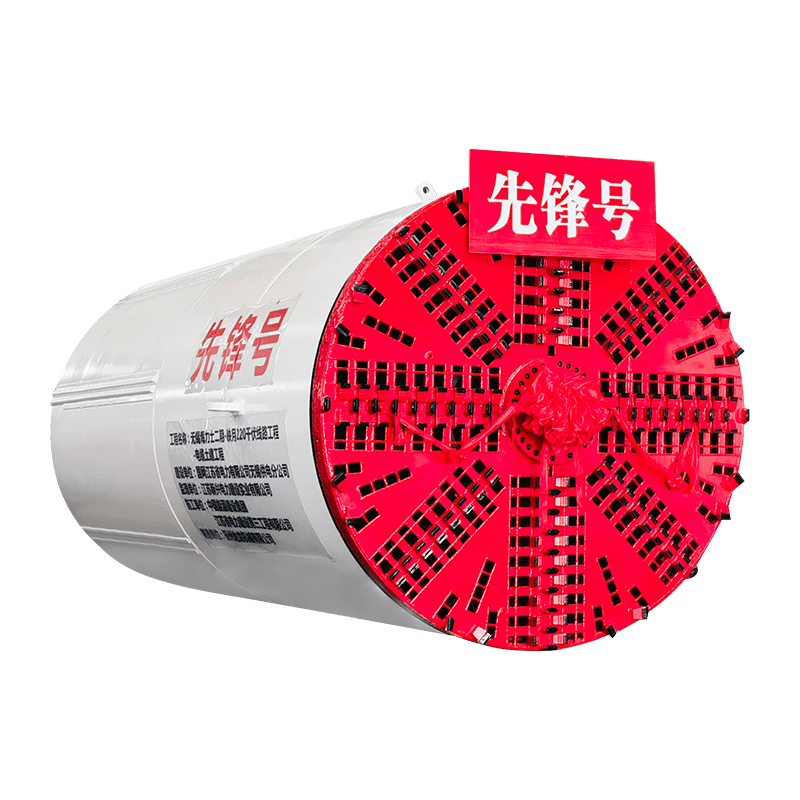
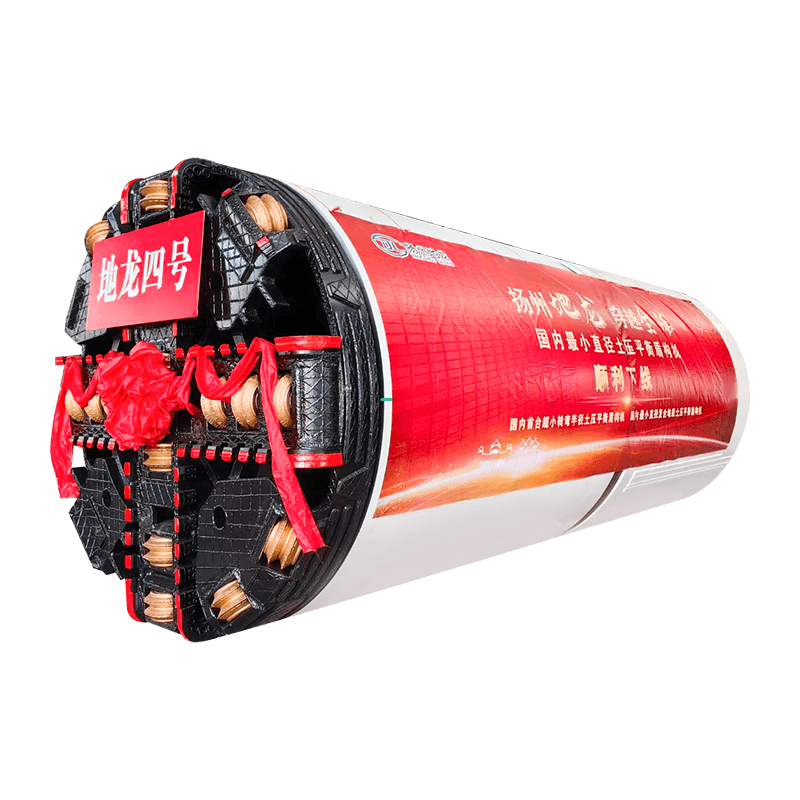
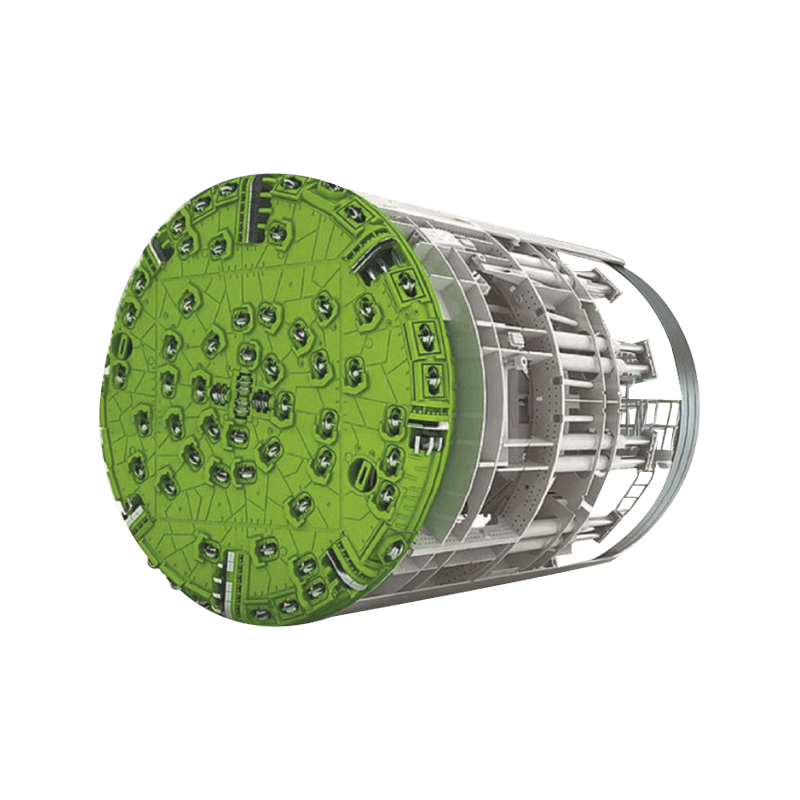
- The Shield: A protective steel cylinder that houses the cutting wheel and steering mechanisms, shielding the machinery and operators from soil pressure.
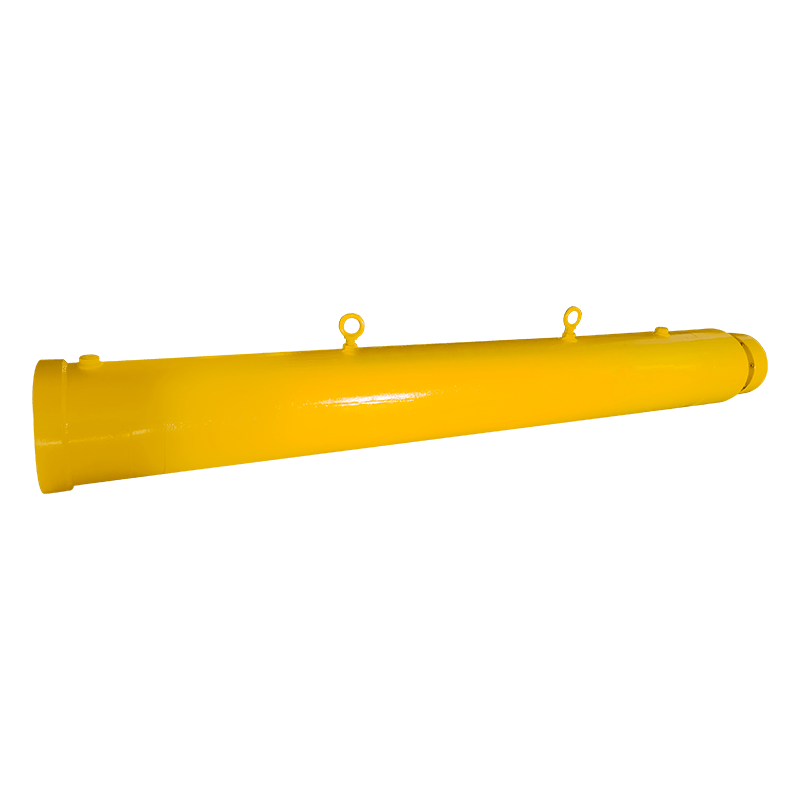
- Main Jacking Station: A heavy-duty hydraulic frame that provides the massive thrust required to push the entire pipe string through the earth.
- Intermediate Jacking Stations (IJS): Used for long-distance drives, these are placed between pipe segments to distribute the total jacking force and prevent exceeding the structural capacity of the pipes.
- Lubrication System: Injects bentonite or specialized polymers into the overcut (the space between the pipe and the soil) to reduce friction.
- Slurry Management System: In slurry-style machines, this system circulates fluid to the face to remove excavated debris and transport it back to the surface for separation.

Comparing Methods: Slurry vs. Earth Pressure Balance
Choosing the right pipe jacking machine depends largely on the geological conditions of the project site. Two of the most common variations are Slurry Shield and Earth Pressure Balance (EPB) machines. Each handles soil stability and removal differently to ensure the tunnel face does not collapse during the drive.
| Feature | Slurry Shield Machine | EPB Machine |
| Primary Soil Type | Sand, Gravel, High Water Table | Silt, Clay, Cohesive Soils |
| Face Support | Pressurized Slurry Fluid | Excavated Soil with Additives |
| Muck Transport | Hydraulic Pipeline (Slurry) | Screw Conveyor or Belt |
| Environmental Impact | Requires Slurry Separation Plant | Dryer Muck, Easier Disposal |
Operational Best Practices for Tunneling Success
Geotechnical Assessment and Site Prep
Before a pipe jacking machine even touches the ground, a thorough soil analysis is mandatory. Understanding the presence of rock, groundwater, or man-made obstacles prevents machine "freeze-up" or excessive tool wear. Engineers must also ensure the launch and reception shafts are structurally sound and capable of withstanding the counter-pressure exerted by the main jacking cylinders against the back wall.
Managing Frictional Resistance
Friction is the primary enemy of long-distance pipe jacking. As the length of the pipeline increases, the force required to move it grows exponentially. To combat this, operators must maintain a consistent "annular space" filled with lubrication. Monitoring the jacking pressure constantly is vital; a sudden spike in pressure often indicates a lubrication failure or a change in soil density, requiring immediate corrective action to avoid damaging the concrete or steel pipe segments.