

 English
 Россия
 عربى
عربى

Content
- 1 What a Slurry Balance Pipe Jacking Machine Actually Does
- 2 How the Slurry Circulation System Works Step by Step
- 3 Ground Conditions Where Slurry Balance Machines Perform Best
- 4 Slurry Balance vs Earth Pressure Balance Machines
- 5 Essential Equipment and Site Setup Requirements
- 6 Common Operational Challenges and How Crews Manage Them
What a Slurry Balance Pipe Jacking Machine Actually Does
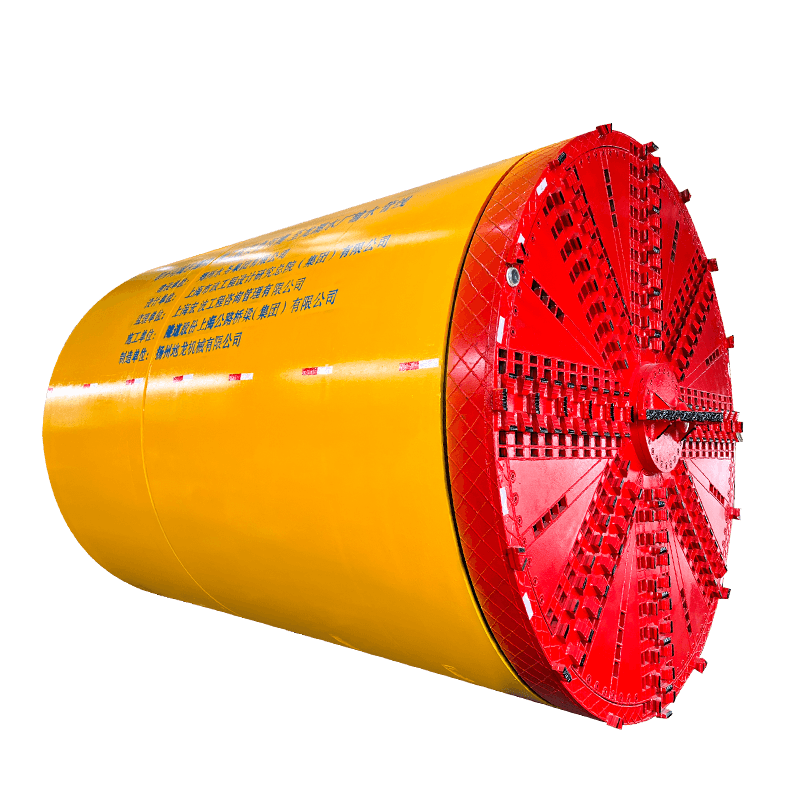
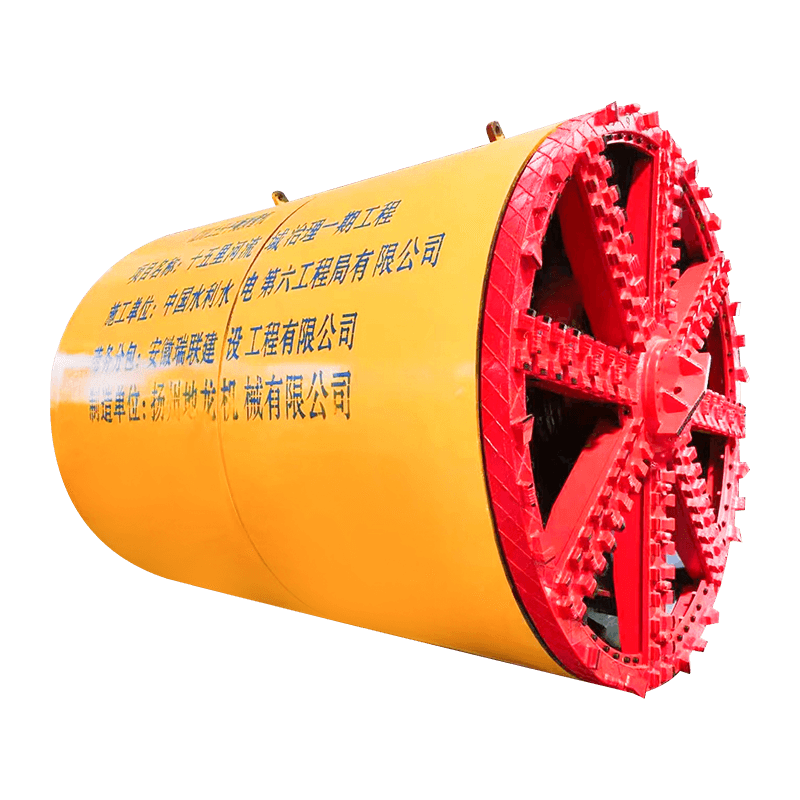
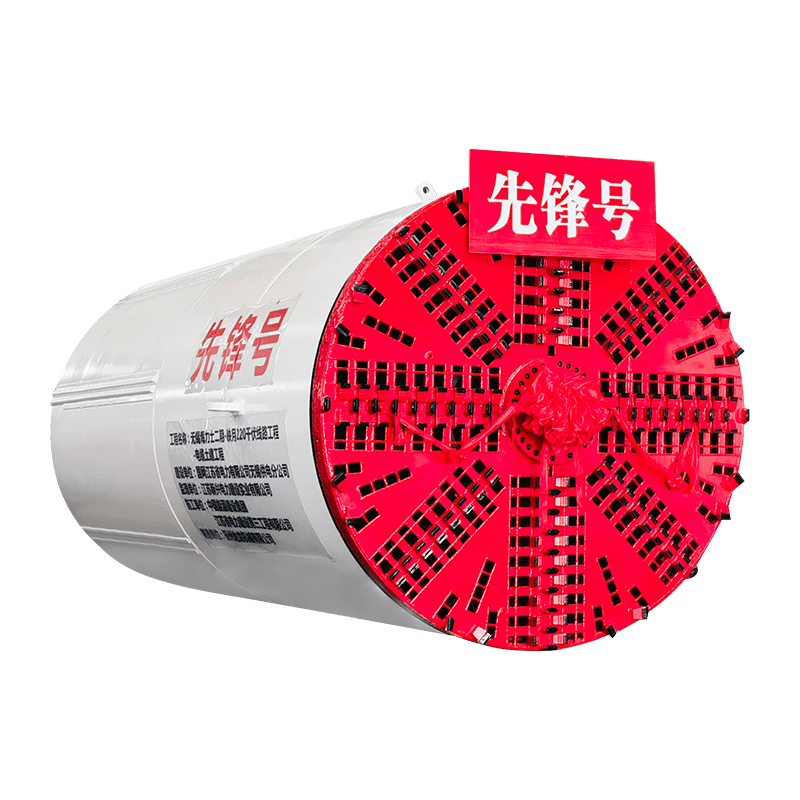
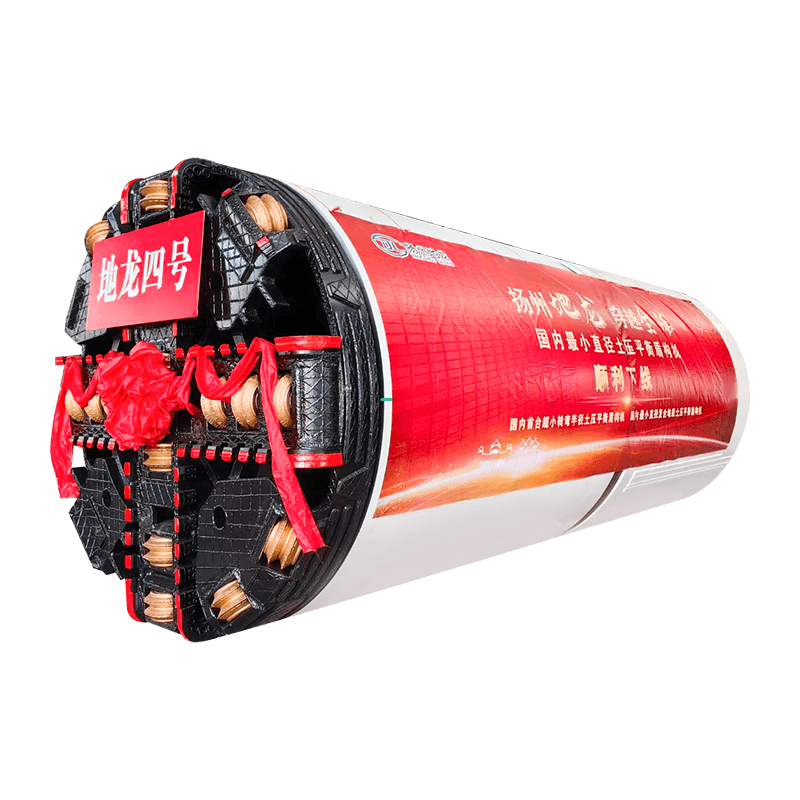
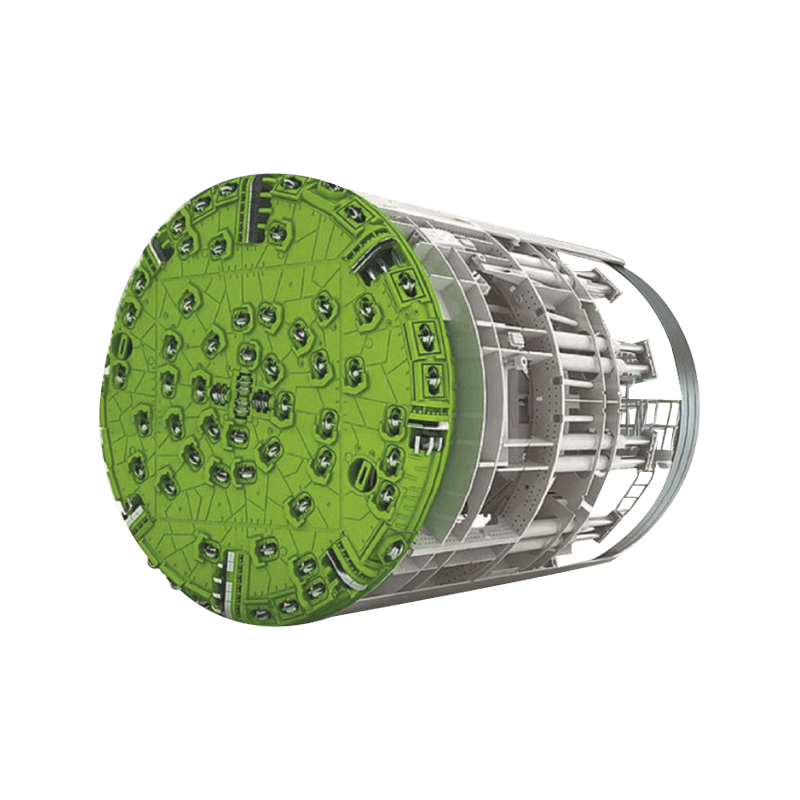
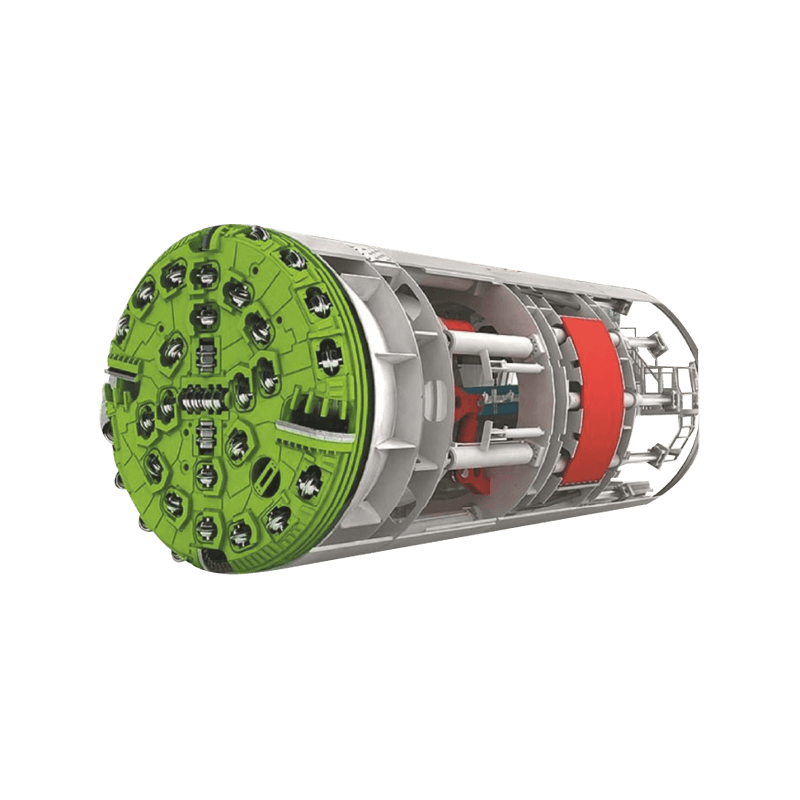
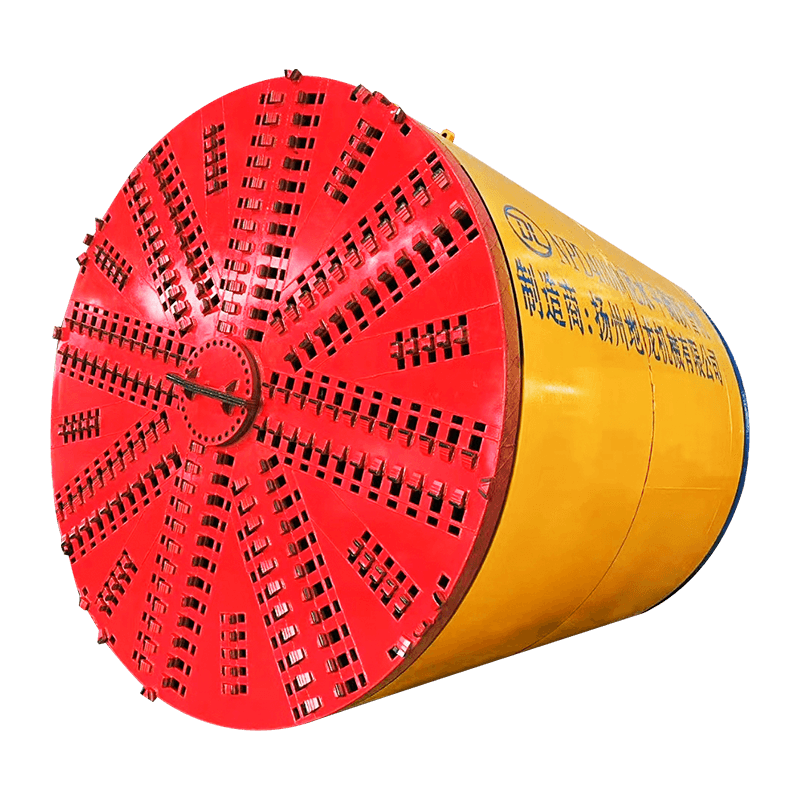
A slurry balance pipe jacking machine is a trenchless tunneling system used to install underground pipelines without digging an open trench along the entire route. Instead, the machine excavates the soil from inside a sealed cutting chamber while a slurry pipe jacking circulation system keeps pressure balanced against the surrounding ground and groundwater. As the cutting head advances forward, jacking pipes are pushed in from behind, creating the pipeline as the machine tunnels through the soil.
The "slurry balance" part of the name refers to how the machine manages face stability. Rather than relying on mechanical support alone, it uses a closed slurry circuit that pressurizes the excavation chamber with bentonite or polymer-based slurry, matching the pressure of the surrounding soil and water table. This balance prevents the tunnel face from collapsing inward or the ground above from settling, which is especially critical when working under roads, railways, rivers, or existing buildings where surface disturbance isn't an option.
How the Slurry Circulation System Works Step by Step
Understanding the slurry circuit is key to understanding why this machine performs so well in difficult ground conditions. The process generally follows a consistent cycle from excavation to spoil disposal.
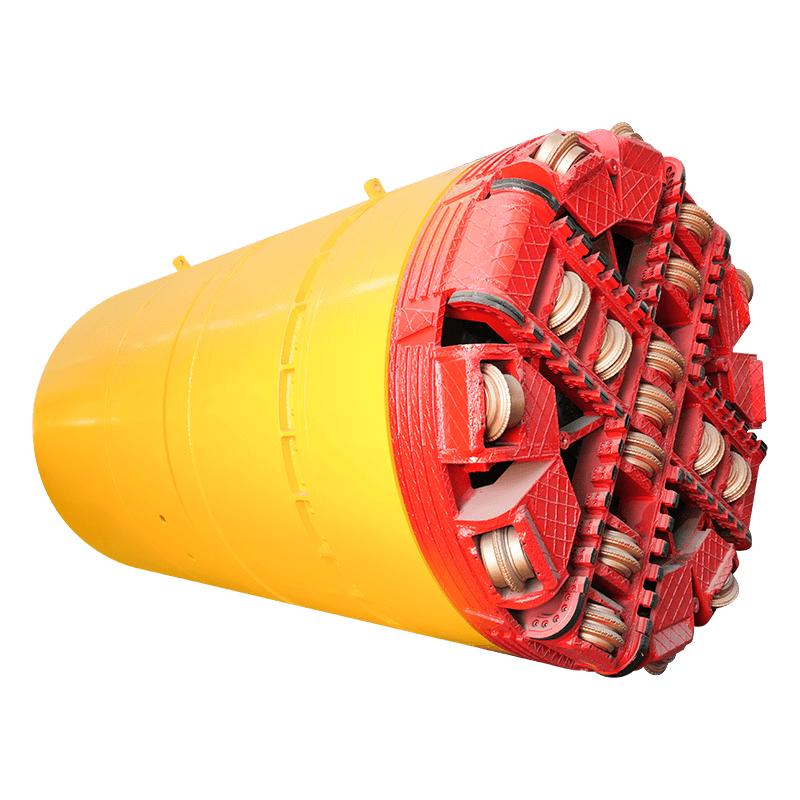
- The rotating cutter head at the front of the machine breaks up soil and rock as it advances through the ground.
- Slurry is pumped into the sealed excavation chamber, mixing with the cut soil to form a fluid mixture and simultaneously applying pressure against the tunnel face.
- This soil-and-slurry mixture is then pumped back through discharge pipes to a separation plant located at the surface or in the launch shaft.
- The separation plant filters out the excavated soil and rock particles, allowing the cleaned slurry to be reused and recirculated back into the machine.
- Sensors inside the machine continuously monitor face pressure, adjusting slurry input and output flow rates to maintain the precise balance needed to prevent ground movement.
This closed-loop process allows operators to fine-tune pressure in real time, which is one of the biggest advantages a slurry balance pipe jacking machine has over older, less automated tunneling methods.
Ground Conditions Where Slurry Balance Machines Perform Best
Choosing the right tunneling method for a project depends heavily on the soil and water conditions along the proposed route. Slurry balance pipe jacking machines tend to excel in specific scenarios.
High Water Table and Saturated Soils
Because the slurry system actively pressurizes the tunnel face, it's particularly effective in sandy, silty, or waterlogged soils where groundwater pressure would otherwise cause the face to collapse or flow uncontrollably into the cutting chamber. This makes it a common choice for projects near rivers, coastal areas, or low-lying urban zones with high water tables.
Mixed Ground and Variable Geology
Projects that pass through a mix of clay, sand, gravel, and occasional rock fragments benefit from the adaptability of slurry pipe jacking, since the cutter head and slurry pressure settings can be adjusted as conditions change along the drive. This flexibility reduces the risk of getting stuck partway through a tunnel due to unexpected ground changes.
Long-Distance and Large-Diameter Drives
Slurry balance systems are often selected for longer tunnel drives and larger pipe diameters, since the continuous slurry circulation helps manage friction and spoil removal more efficiently than mechanical conveyance methods over extended distances.
Slurry Balance vs Earth Pressure Balance Machines
The two most common pipe jacking machine types are slurry balance and earth pressure balance (EPB) systems, and contractors often need to weigh the differences before committing to one for a project.
| Feature | Slurry Balance Machine | Earth Pressure Balance Machine |
| Best suited soil type | Sandy, saturated, high water table | Cohesive clay and silty soils |
| Spoil removal method | Pumped slurry pipeline | Screw conveyor |
| Surface footprint required | Larger, needs separation plant | Smaller, more compact |
| Pressure control precision | Very high | Good, slightly less precise in loose soil |
| Typical operating cost | Higher due to slurry treatment | Lower, simpler logistics |
Many contractors choose a slurry balance pipe jacking machine specifically when groundwater control is the dominant risk factor on a project, even though it requires more surface space and a more involved support setup than an EPB alternative.
Essential Equipment and Site Setup Requirements
Running a slurry balance pipe jacking operation involves more than just the machine itself. A full system requires several supporting components working together on site.
- A launch shaft and reception shaft properly sized and braced to handle the jacking forces and machine insertion or extraction.
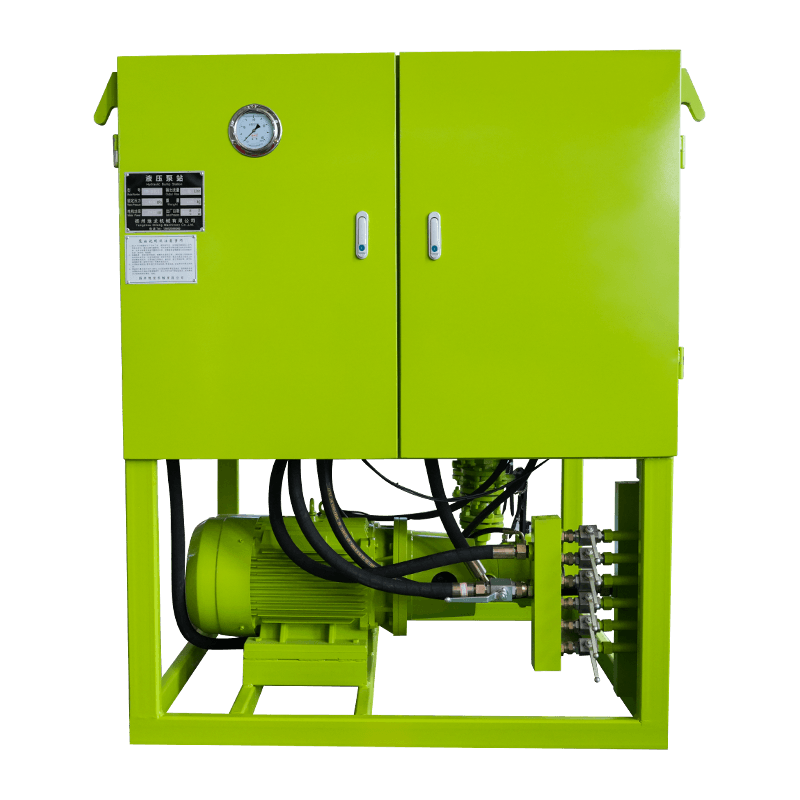
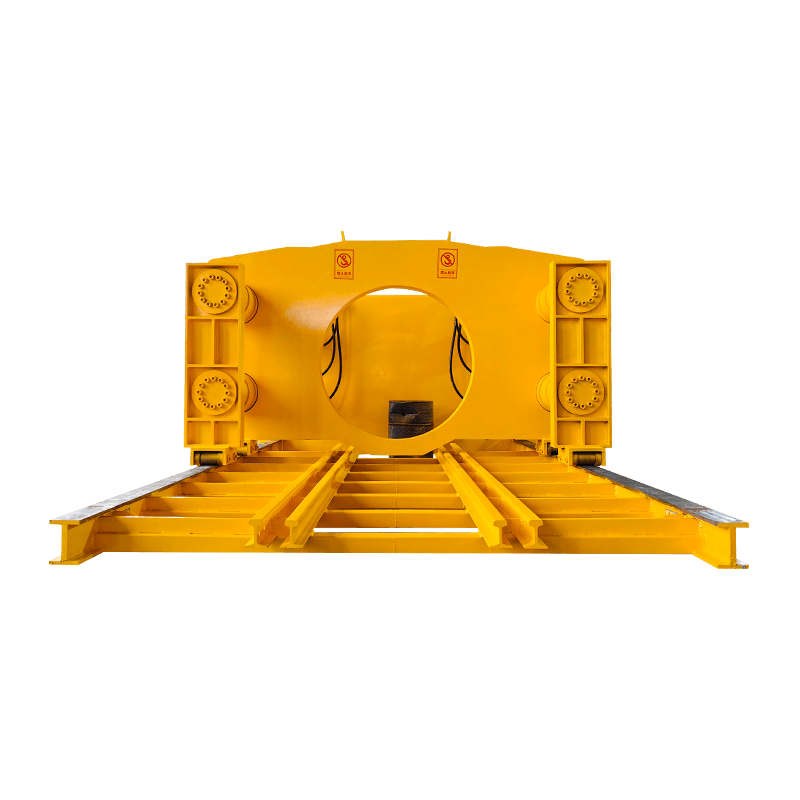
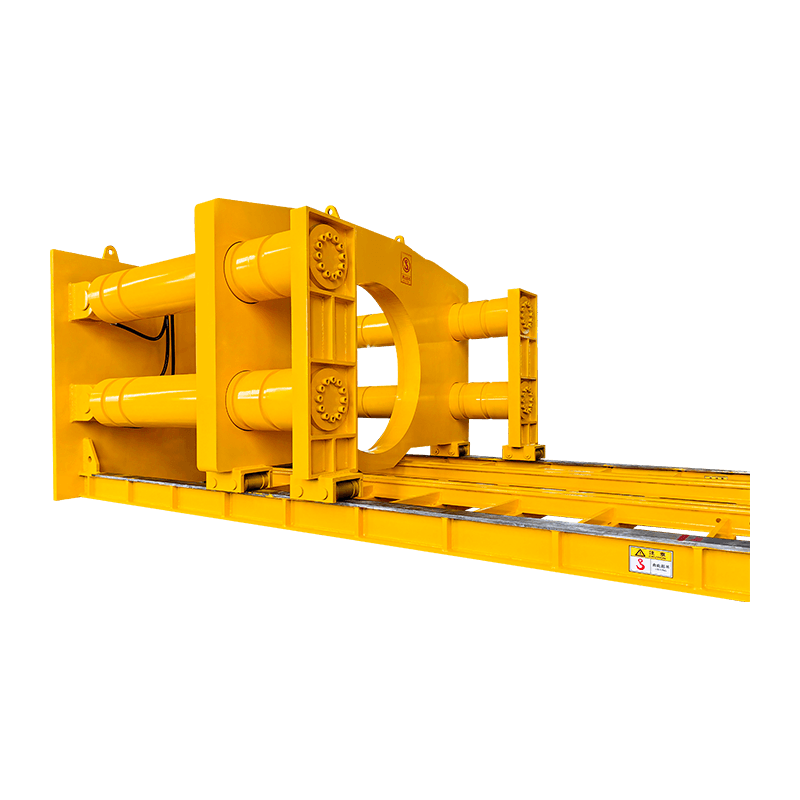
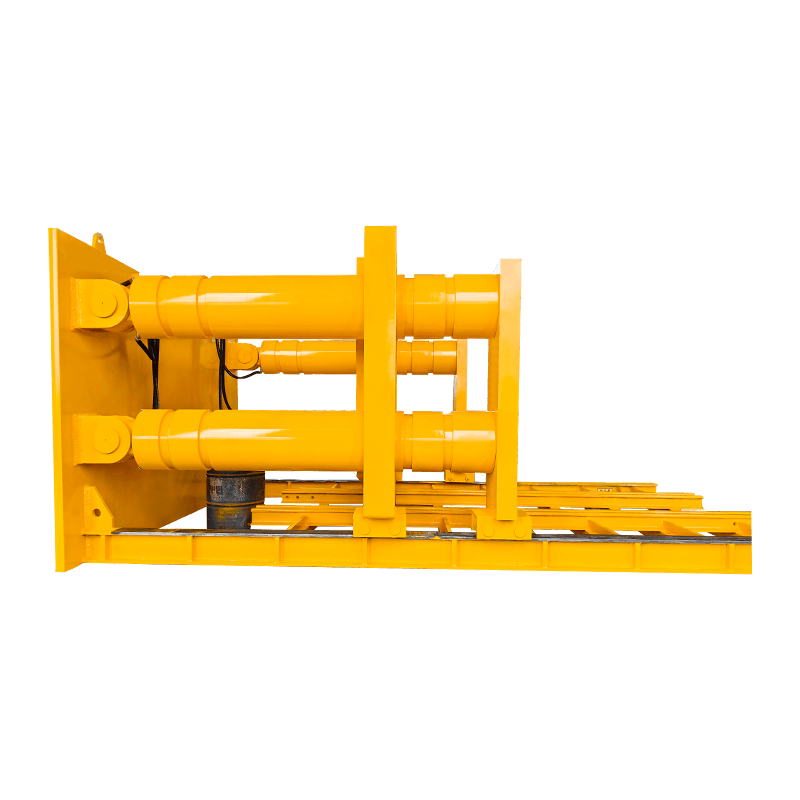
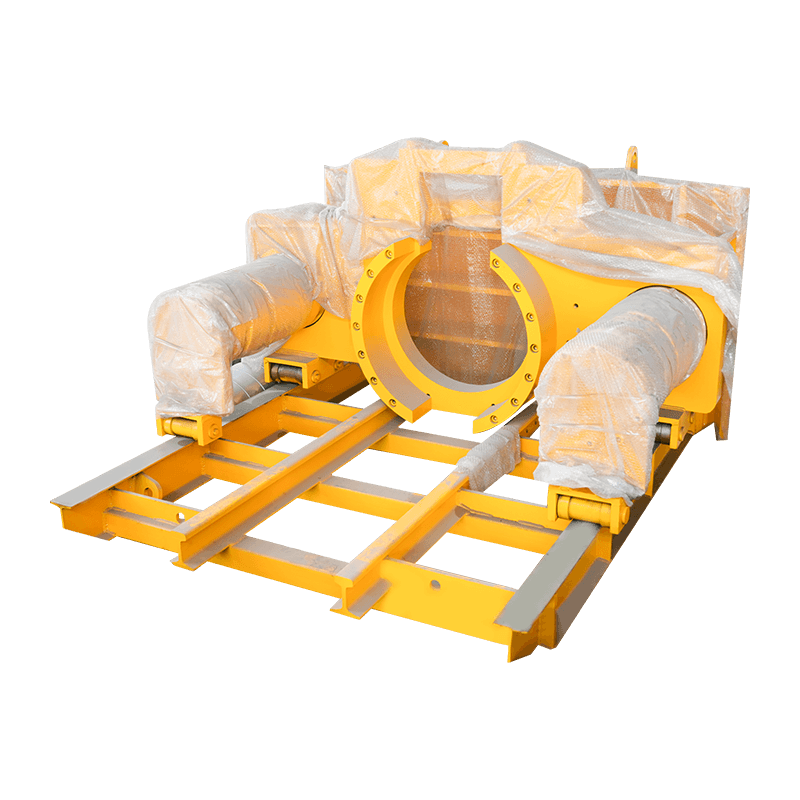
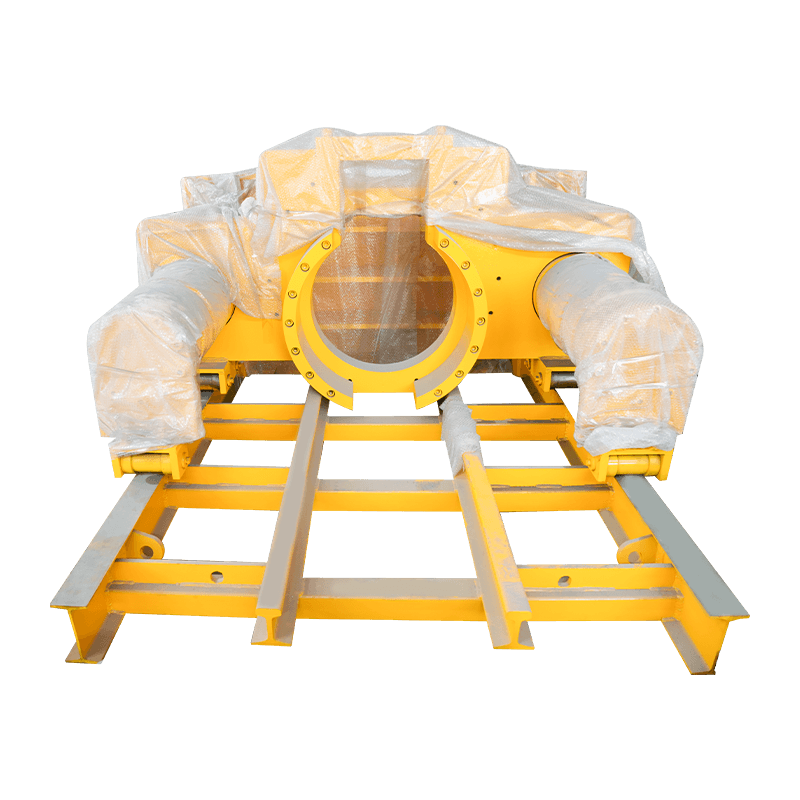
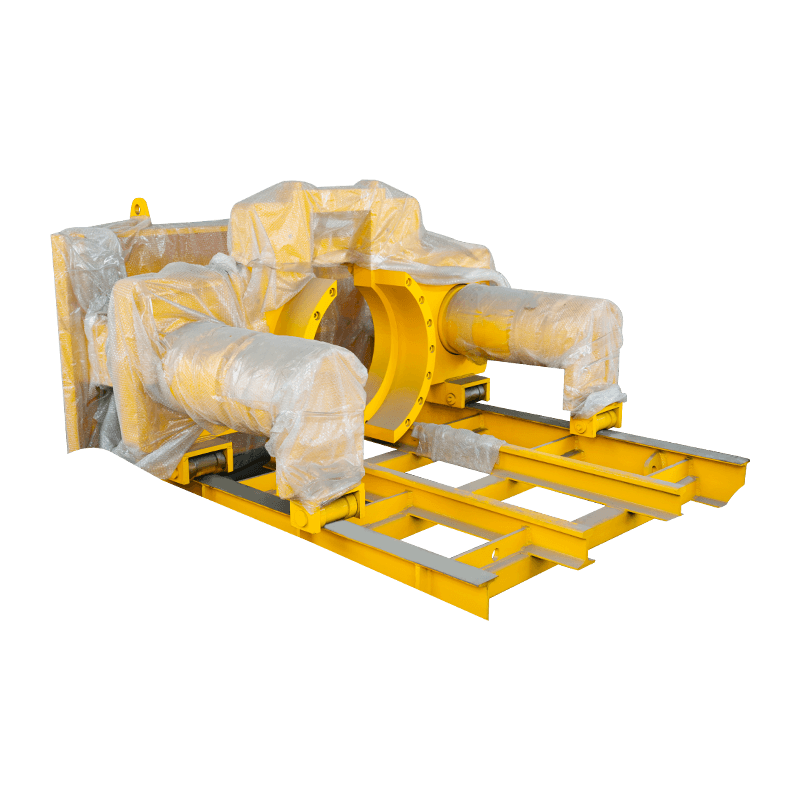
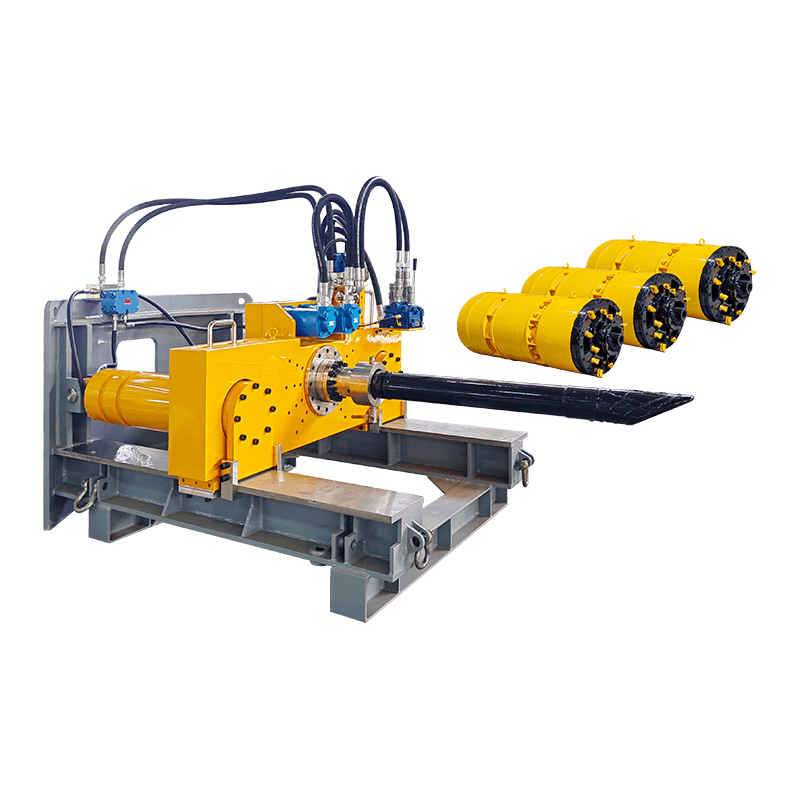
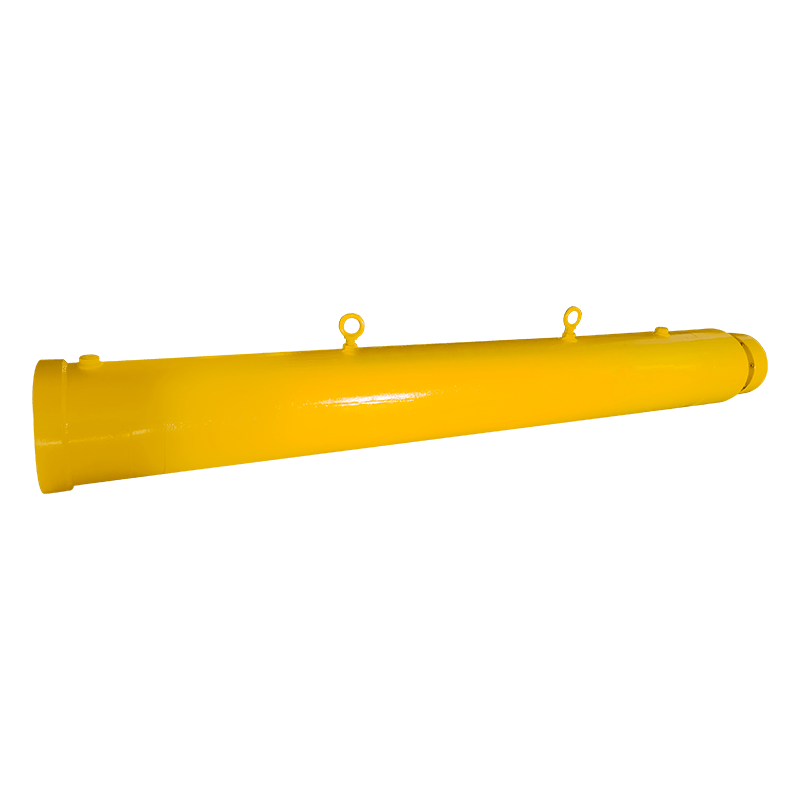
- A main jacking frame and hydraulic thrust system capable of pushing the pipe string forward against ground friction and the cutter head's resistance.
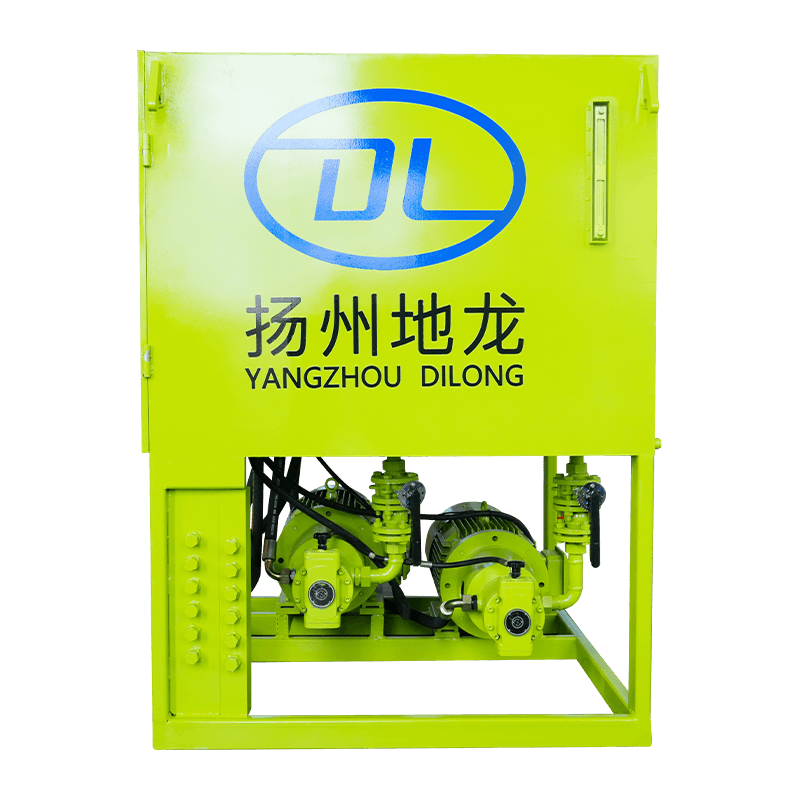
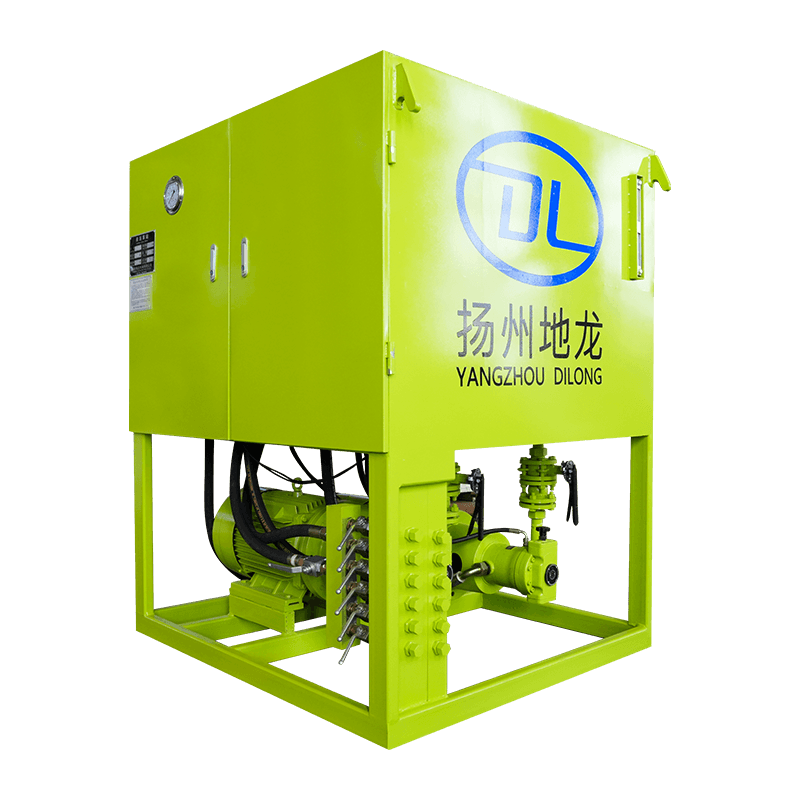
- A slurry separation plant on the surface, typically including settling tanks, hydrocyclones, and sometimes centrifuges for fine particle removal.
- Slurry pumps and pipelines connecting the machine to the separation plant, sized appropriately for the tunnel length and diameter being installed.
- Intermediate jacking stations for longer drives, which distribute thrust force along the pipe string to reduce strain on any single section.
- A guidance and surveying system, often laser-guided or gyroscopic, to keep the bore on the planned alignment and grade throughout the drive.
Planning adequate space for the separation plant and shaft areas early in the project is important, since underestimating surface footprint requirements is a common cause of delays once mobilization begins.
Common Operational Challenges and How Crews Manage Them
Even with careful planning, crews operating a slurry balance pipe jacking machine encounter a handful of recurring challenges on most projects.
Slurry Quality Control
Maintaining the right slurry density and viscosity is critical, since slurry that's too thin won't support the tunnel face properly, while overly thick slurry can clog pumps and discharge lines. Crews regularly test slurry density on site and adjust bentonite or polymer additive ratios to keep the mixture within the target range.
Managing Excavated Spoil Disposal
The separated soil from the slurry circuit still needs to be trucked away or disposed of according to local regulations, and in urban areas this logistics piece can become a bottleneck if not planned alongside the tunneling schedule itself.
Pipe Jacking Friction Over Long Drives
As the pipe string lengthens, friction along its length increases, which can strain the jacking system. Crews often apply lubricant injection systems along the pipe joints and incorporate intermediate jacking stations to keep thrust forces within safe limits across the full length of the drive.
Addressing these challenges proactively, through regular monitoring and pre-planned contingencies, helps keep a slurry balance pipe jacking project on schedule and reduces the likelihood of costly downtime mid-drive.