

 English
 Россия
 عربى
عربى

Content
- 1 What a Rock Pipe Jacking Machine Does and Why It's Essential for Hard Ground Conditions
- 2 Key Components That Make Up a Rock Pipe Jacking System
- 3 Types of Rock Pipe Jacking Machines by Cutting Method
- 4 Comparing Rock Pipe Jacking Machines by Rock Hardness Suitability
- 5 Typical Project Applications for Rock Pipe Jacking Machines
- 6 Factors to Evaluate Before Choosing a Rock Pipe Jacking Machine
- 7 Maintenance Practices That Keep Rock Jacking Operations Running Smoothly
What a Rock Pipe Jacking Machine Does and Why It's Essential for Hard Ground Conditions
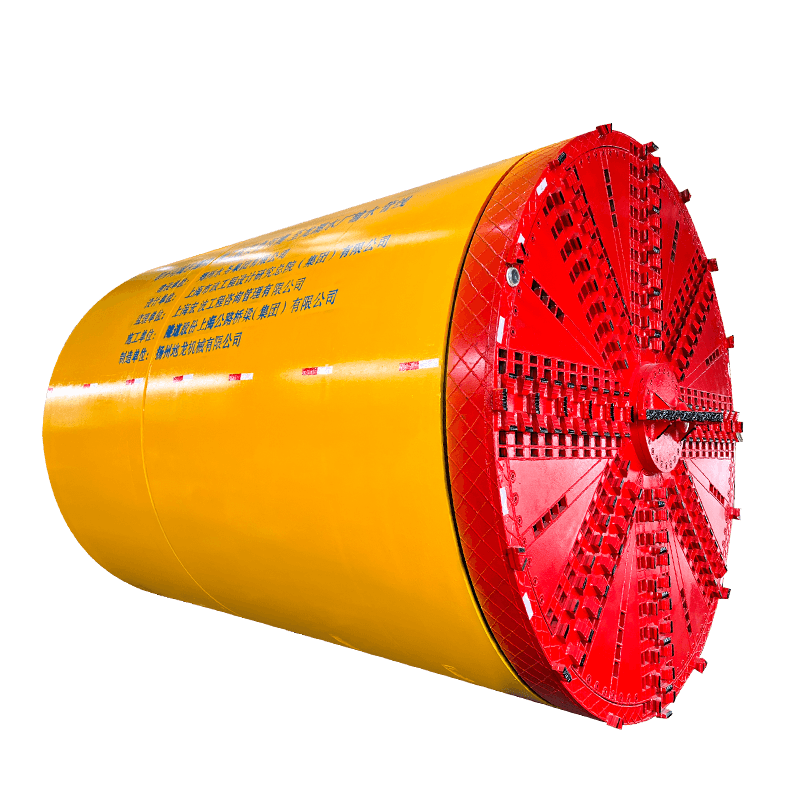
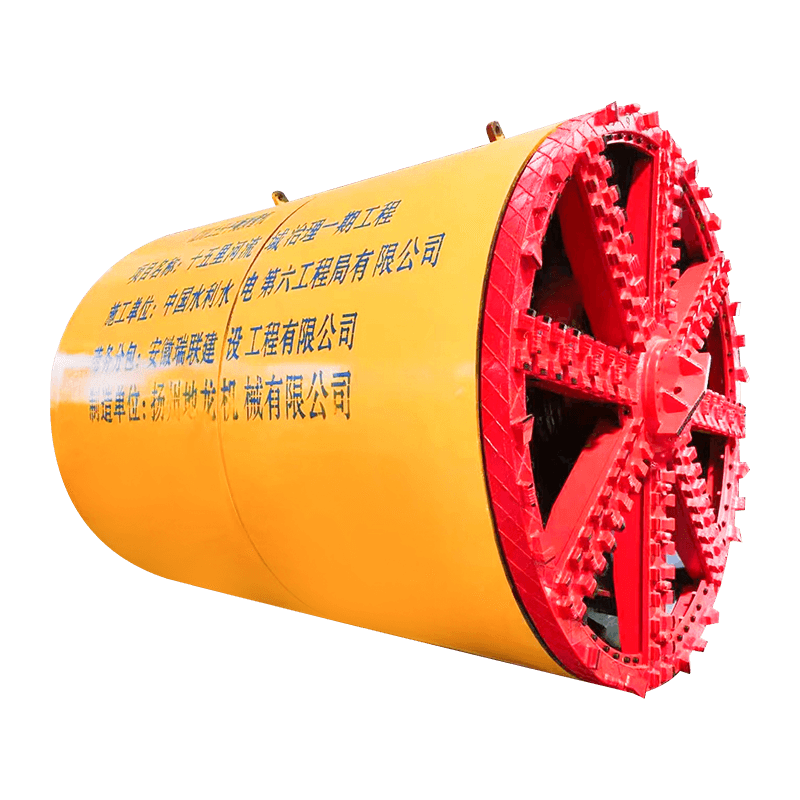
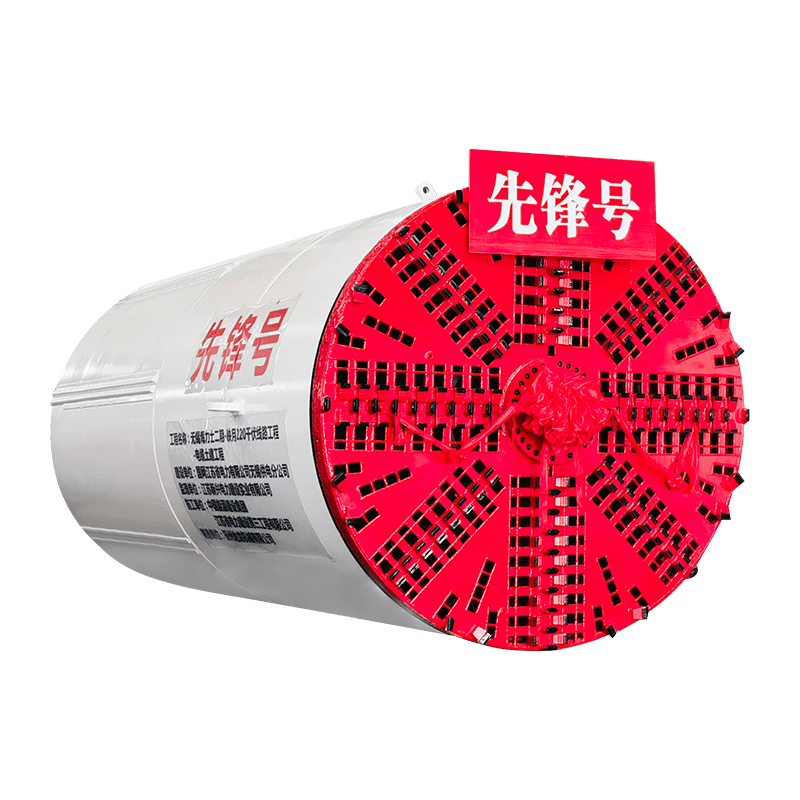
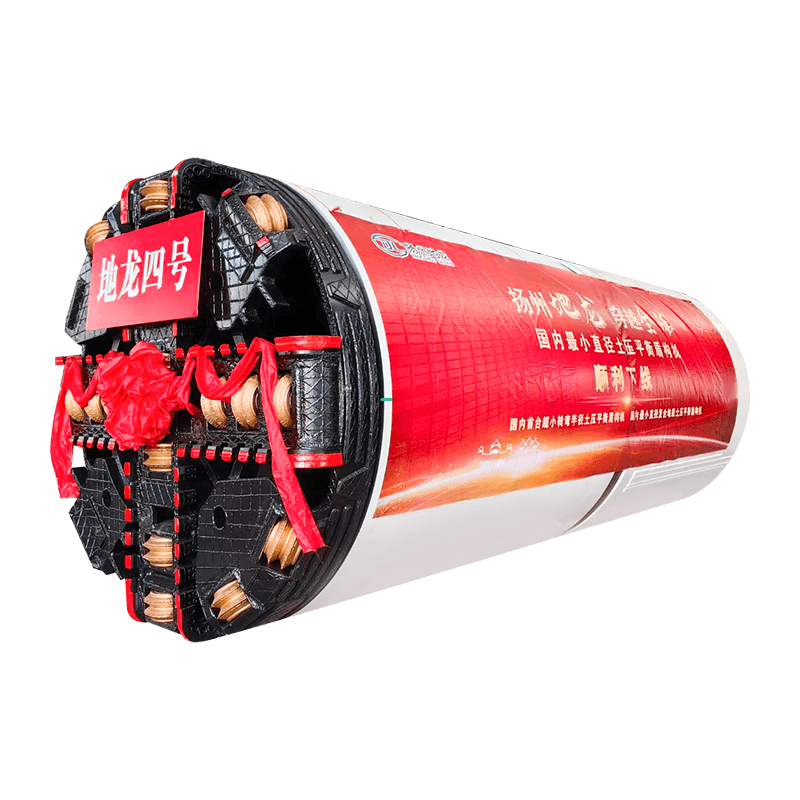
A rock pipe jacking machine is a specialized trenchless construction tool designed to bore through hard rock formations while simultaneously installing pipeline sections behind the cutting head. Unlike standard pipe jacking equipment built for soil or soft ground, a rock-rated machine uses a reinforced cutterhead fitted with disc cutters or carbide bits capable of fracturing dense rock without stalling or excessive wear. This makes it possible to install sewer lines, water mains, and utility conduits beneath roads, rivers, and urban areas without disruptive open-cut excavation, even when the underlying ground is solid bedrock.
The core advantage of a rock pipe jacking machine lies in its ability to combine excavation and pipe installation into a single continuous process. As the cutterhead advances through rock, hydraulic jacks push pipe sections forward from a launch shaft, meaning the pipeline is installed at the same pace as the tunnel is created. This reduces the need for extensive support structures and keeps the project moving efficiently even in geologically difficult terrain.
Key Components That Make Up a Rock Pipe Jacking System
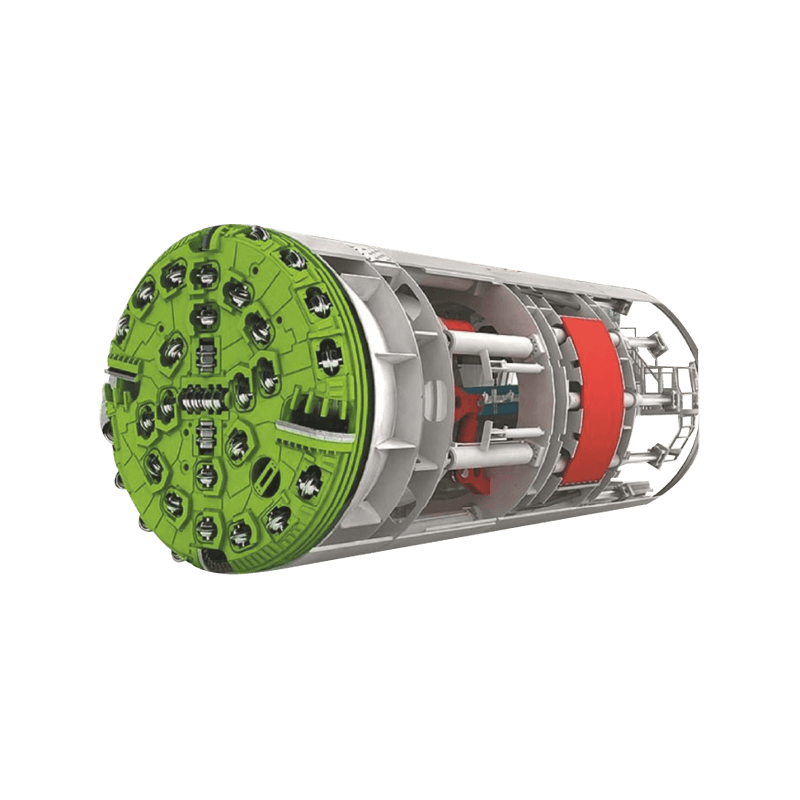
Understanding the main components of a rock pipe jacking machine helps project managers evaluate equipment options and troubleshoot performance issues on site.
Cutterhead and Rock Cutting Tools
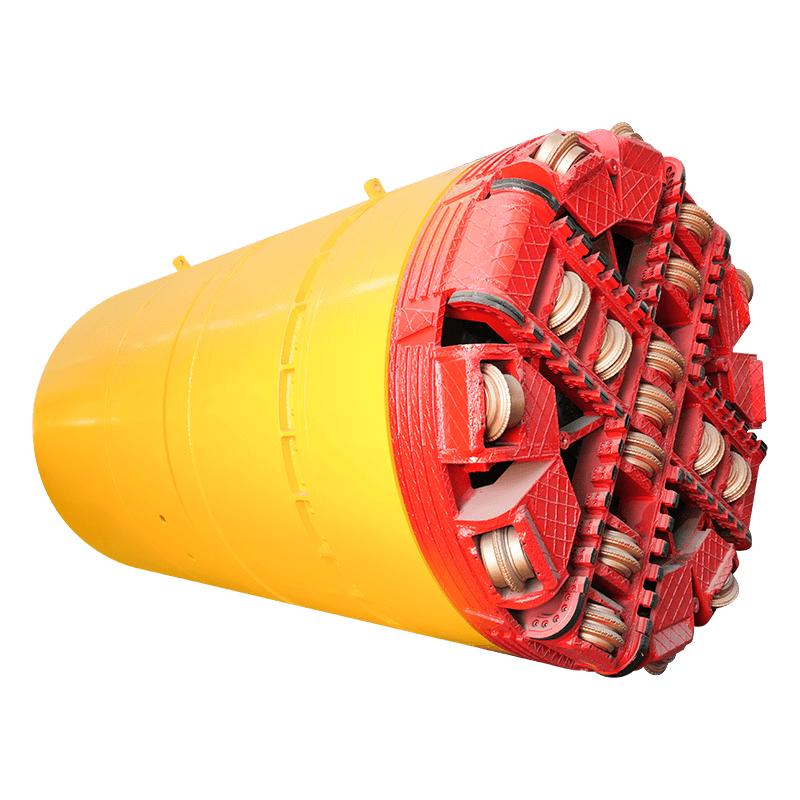
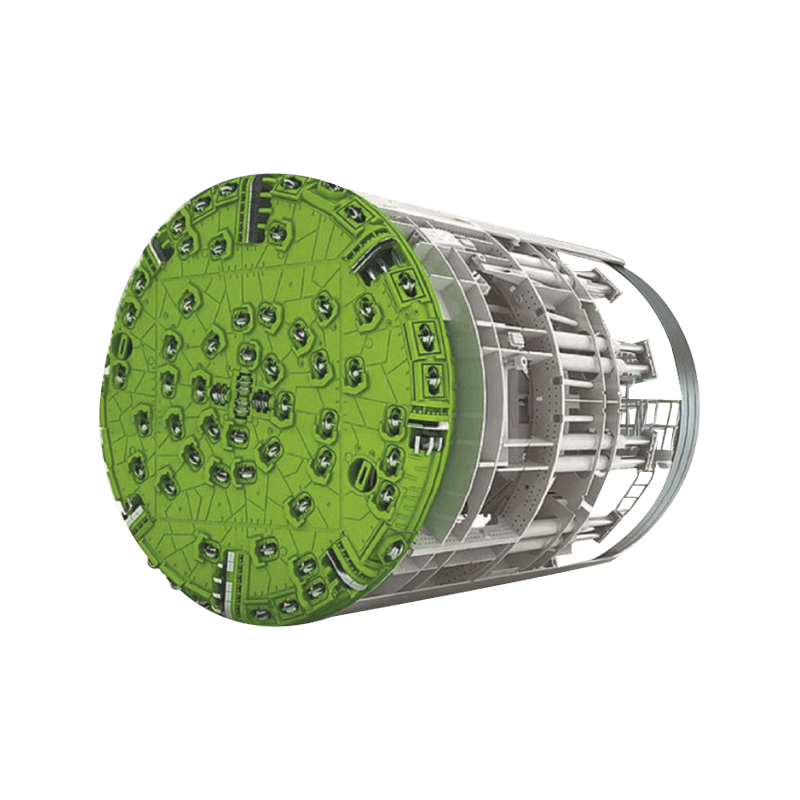
The cutterhead is fitted with disc cutters, carbide button bits, or a combination of both, chosen based on the specific rock hardness and abrasiveness expected along the bore path.
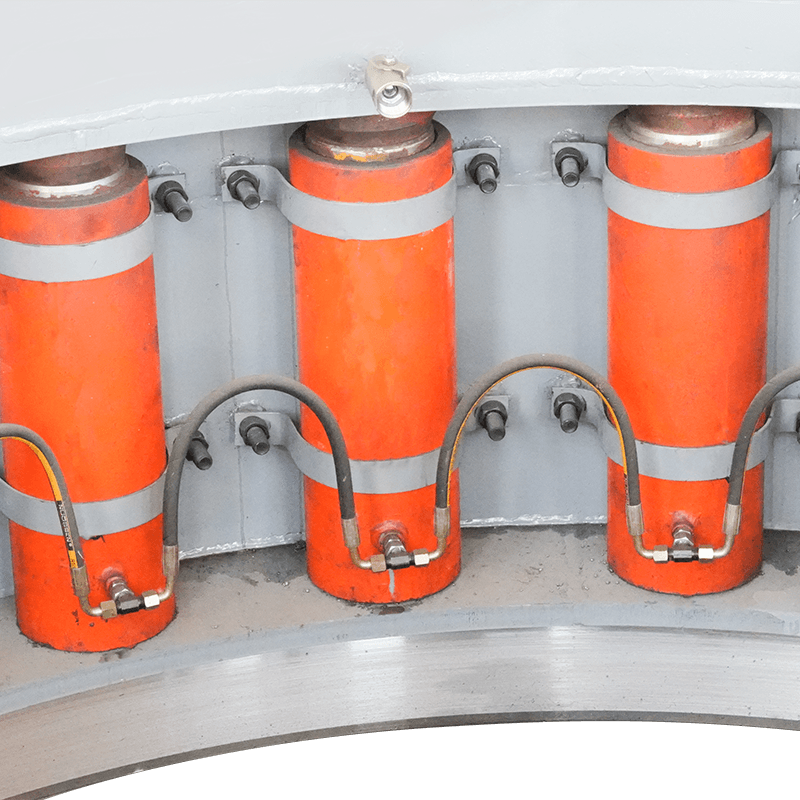
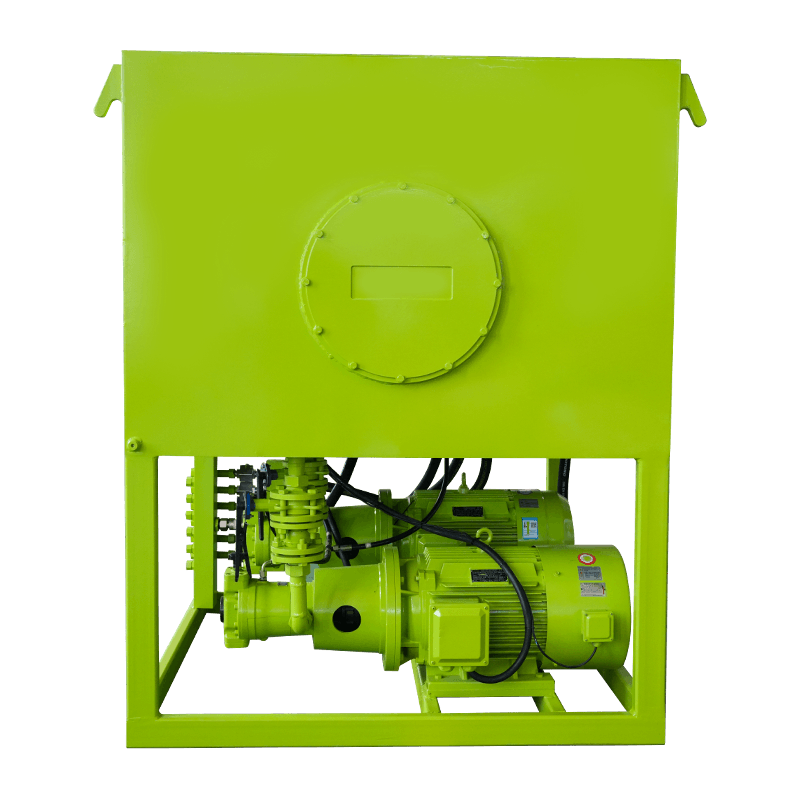
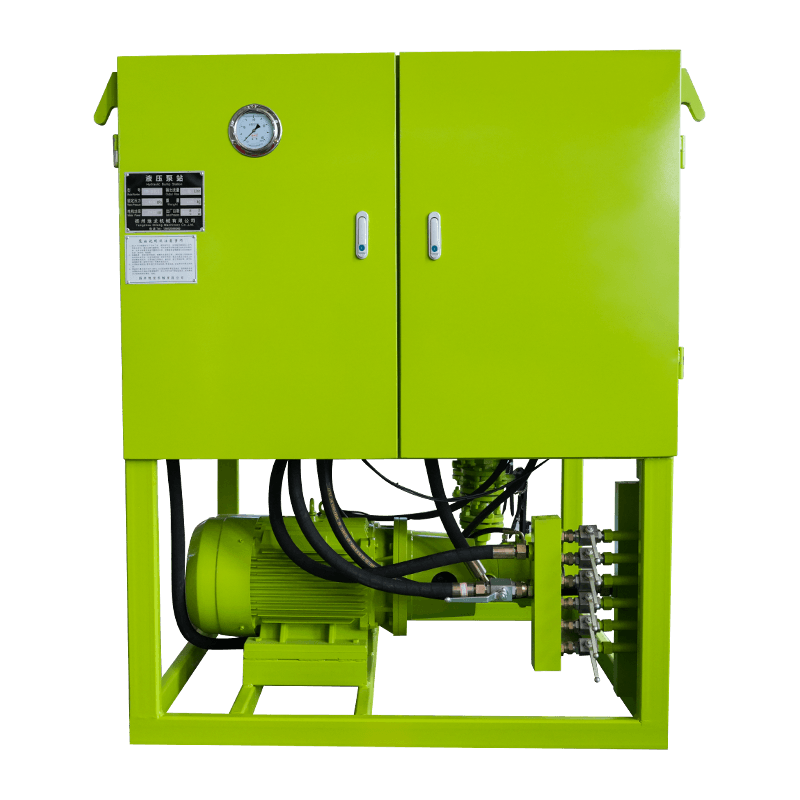
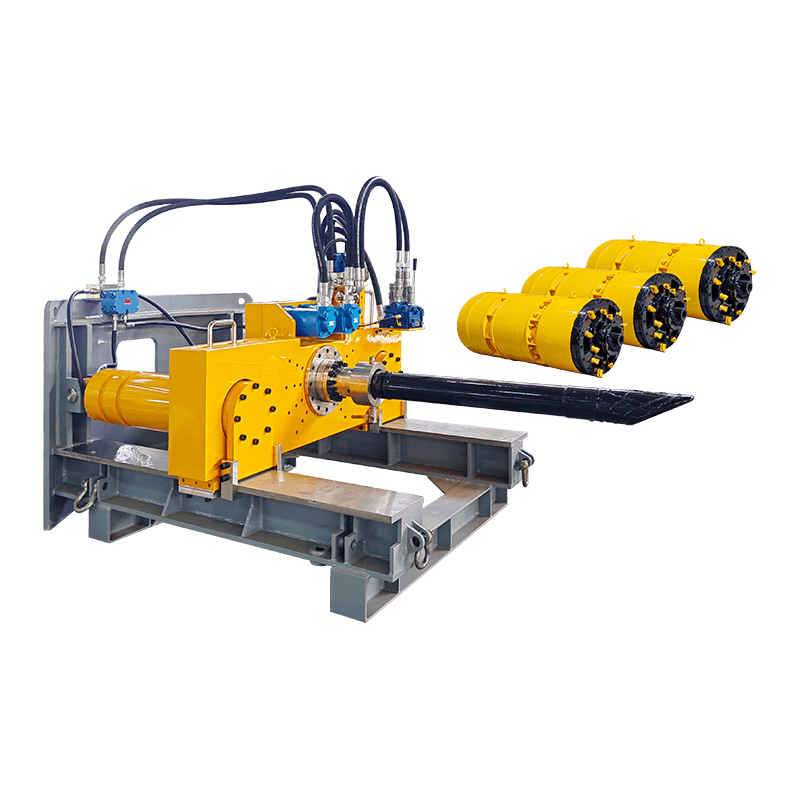
Main Jacking Frame and Hydraulic Cylinders
Positioned in the launch shaft, this frame houses the hydraulic cylinders responsible for pushing pipe sections forward against the resistance of the rock formation and the friction of the surrounding ground.
Slurry or Muck Removal System
Excavated rock fragments are transported out of the tunnel through a slurry pipeline or screw conveyor system, keeping the cutting chamber clear and allowing continuous forward progress.
Guidance and Steering System
Laser guidance combined with articulated steering cylinders keeps the machine on the correct line and grade, which is critical for maintaining proper pipeline slope over long drive distances.
Types of Rock Pipe Jacking Machines by Cutting Method
Different rock conditions call for different cutting approaches, and manufacturers typically offer several machine categories to match specific geological challenges.
- Slurry-type rock pipe jacking machines, best suited for mixed ground with water pressure control needs
- Earth pressure balance machines adapted with rock cutting tools for transitional ground conditions
- Open-face rock machines for stable, self-supporting rock formations that don't require pressurized face support
- Disc cutter dominant machines for extremely hard, abrasive rock such as granite or quartzite
- Hybrid cutterhead machines combining disc cutters and carbide bits for mixed hardness along the same drive

Comparing Rock Pipe Jacking Machines by Rock Hardness Suitability
Selecting the right machine configuration depends heavily on the rock's compressive strength and abrasiveness. The table below offers a general comparison to guide equipment selection.
| Cutterhead Type | Ideal Rock Strength | Typical Application |
| Carbide Button Bits | Low to Medium | Sandstone, weathered rock |
| Disc Cutters | High | Granite, basalt, hard bedrock |
| Hybrid Cutterhead | Variable | Mixed geology, transitional zones |
Typical Project Applications for Rock Pipe Jacking Machines
Rock pipe jacking technology is used across a range of infrastructure projects where surface disruption needs to be minimized despite challenging subsurface rock conditions.
Municipal Sewer and Water Main Installation
Cities often need to install large-diameter pipelines beneath existing roads and infrastructure, and rock pipe jacking allows this work to proceed without tearing up streets built over rocky terrain.
River and Waterway Crossings
When a pipeline needs to pass beneath a riverbed composed of rock, jacking machines provide a controlled method of tunneling that avoids disturbing the waterway or surrounding ecosystem.
Railway and Highway Underpasses
Utility corridors beneath active railway lines or highways often sit in rocky ground, making rock pipe jacking machines the preferred method to avoid service interruptions during installation.
Factors to Evaluate Before Choosing a Rock Pipe Jacking Machine
Selecting the right machine for a project requires careful evaluation of both site conditions and equipment specifications to avoid costly delays or cutter damage mid-drive.
- Geotechnical survey data detailing rock compressive strength and abrasiveness along the planned route
- Pipe diameter and jacking distance requirements, which affect machine size and jacking force capacity
- Groundwater conditions, since high water pressure may require a slurry-pressure balance system
- Cutter tool replacement accessibility, particularly for long drives where mid-tunnel maintenance may be needed
- Muck removal capacity, ensuring the slurry or conveyor system can keep pace with the cutting rate
Maintenance Practices That Keep Rock Jacking Operations Running Smoothly
Because rock cutting places extreme stress on tooling and hydraulic systems, regular maintenance is critical to avoiding costly downtime mid-project. Cutter tools should be inspected frequently for wear, since dull or damaged cutters dramatically slow advance rates and increase strain on the main drive motor. Hydraulic systems powering the jacking cylinders need routine fluid checks and seal inspections, as the high pressures involved in rock cutting place more demand on these components than standard soil jacking applications. Keeping detailed records of cutter wear rates and advance speed by rock section also helps operators anticipate maintenance needs before a breakdown halts progress underground, which is particularly valuable given how difficult mid-tunnel repairs can be once a rock pipe jacking machine is deep into a drive.